
Vandaag of morgen in huis

Kwaliteit gegarandeerd

Welkomstaanbiedingen ontgrendelen: GRATIS bezorging | Tot 80% korting | Gratis 30 dagen JoyPlus-proefperiode
Download de app
Open-ear Bluetooth headphones let you listen to music or conversations without completely blocking your ear canal. This is useful when walking, working or travelling, as you can remain aware of your surroundings. However, open-ear models vary considerably in comfort, sound quality, battery life and water protection.
The product name alone tells you very little. For example, a model marketed as “sports headphones” may only be suitable for sweat and light rain. Terms such as “bone conduction”, “noise cancelling” or “AI features” can also create expectations that do not match how you intend to use the product. Always pay particular attention to specifications you can verify.
Not every wireless open-ear headphone works in the same way. With an open-ear model, the speakers are usually positioned next to or above the ear. Open-ear earbuds with a hook stay attached to the outer ear. Bone-conduction headphones use a different design, delivering sound to the ear through vibrations.
As a result, the fit and listening experience can differ considerably. If comfort is your priority, check whether the model sits on the ear, behind the ear or uses an ear hook.
According to the product specification, an IPX4 rating indicates protection against splashes and sweat, but not immersion. IPX5 is intended to withstand more powerful water jets, while a higher rating such as IPX8 may, according to the product information, be designed for more intensive contact with water. Always check the manufacturer’s usage restrictions.
Salt water, chlorine and wet charging contacts can also cause problems. Even with water-resistant headphones, it is sensible to dry the connections before charging.
A claim such as “up to 30 hours” often refers to the earbuds plus the charging case. The listening time per charge may be much lower. Volume, codec, calls and ambient noise all affect the result.
Look for three separate figures:
For everyday use, comfort is at least as important as sound quality. An open-ear model with an ear hook may stay in place better while running or exercising than a loose clip-on model, but it may also put more pressure on the outer ear.
Check the weight of each earbud or the complete headset. The TALIX G1, for example, lists 5.2 grams per earbud. The sanag G6S lists approximately 5.6 grams per earbud. Figures like these can be verified, but they do not tell the whole story: the shape of your ears and the firmness of the hook also affect comfort.
Bluetooth 5.3, 5.4 or 6.0 gives an indication of the connection technology being used. Compatibility with your phone remains more important than the version number alone. Several models list a range of around 10 metres, but walls, busy wireless environments and your phone can reduce this.
For music and podcasts, SBC or AAC is usually sufficient. Some models also support LDAC. This may appeal to users with compatible devices and music sources, although it can affect battery consumption.
If you are looking for headphones with a microphone for Teams, phone calls or online meetings, check the number of microphones and whether noise reduction is included. According to the product information, the Soundcore C40i has two built-in microphones. The TALIX G1 lists a four-microphone array and software-based noise reduction.
These details provide a technical indication, but do not guarantee clear speech in every street or gust of wind. When choosing wireless headphones for calls, it is also worth checking the microphone placement and whether calls can be controlled using physical buttons.
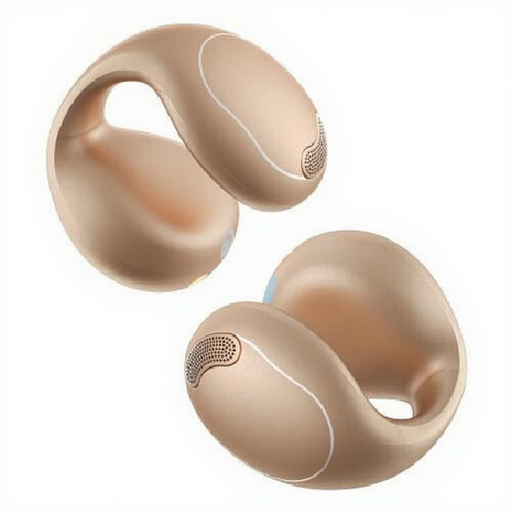
Why it suits this profile: The C40i combines an open-ear design with Bluetooth 5.4, button controls and a charging station. This makes it suitable for everyday listening and calls without complicated setup.
The product information clearly states the IPX4 rating. So expect protection against sweat and splashes, not immersion.
Bluetooth 5.4, two microphones, physical buttons and a charging station included.
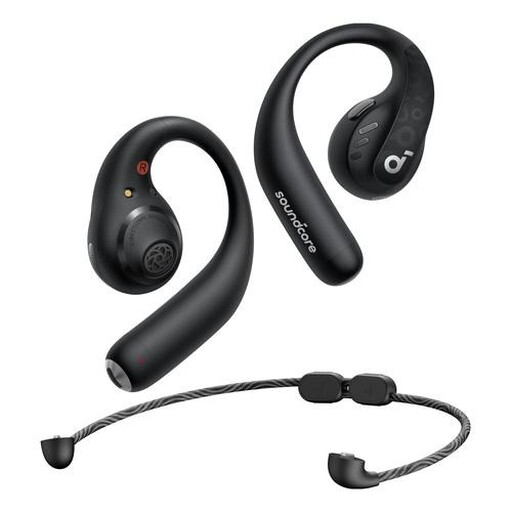
Why it suits this profile: The ear hook, buttons and stated 14-hour playback time are well suited to long working days, training sessions and commuting.
The product specification lists IPX5 and a specific battery life. This means you do not have to rely solely on general terms such as “ready for sport”.
IPX5, Bluetooth 5.3, AAC/LDAC/SBC support and up to 14 hours of continuous playback according to the product information.
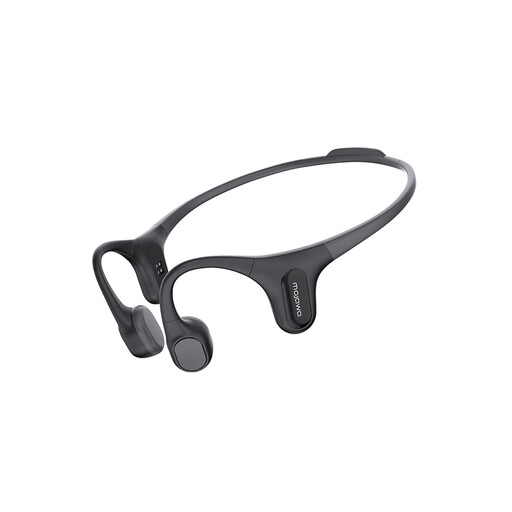
Why it suits this profile: According to the product name, this model is intended for sport, swimming and everyday use. It also lists 32 GB of MP3 storage alongside Bluetooth.
Built-in storage can be useful when you do not want to carry a phone with you every time. However, check the full IP specification and charging instructions before buying.
Bone-conduction design according to the product name and 32 GB of storage for listening to music without continuous Bluetooth streaming.
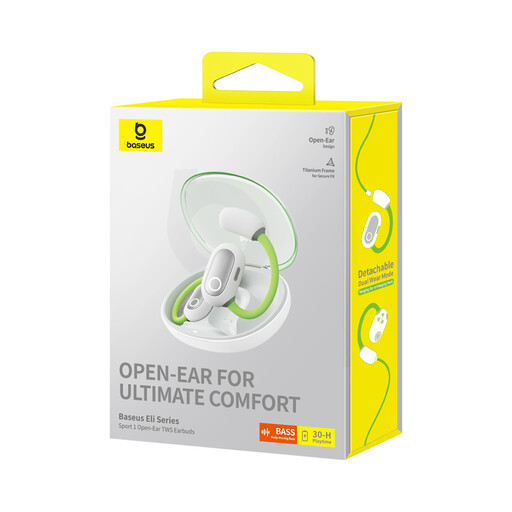
Why it suits this profile: The stated 7 to 8 hours of playback per charge and approximately 30 hours with the case are well suited to travelling, office use and everyday listening.
The manufacturer states that the battery figures were measured at 70% volume and may differ in practice. This makes the claim easier to assess.
16.2mm driver, USB-C charging port and a stated total battery life of approximately 30 hours with the charging case.
We have put together a complete, up-to-date list of products that fully meet these strict selection criteria and the applicable European safety regulations.
An open-ear design does not completely block your ear canal, but that does not automatically mean you can use it safely in traffic. Do not use headphones while driving, cycling or in other situations where you need to remain fully alert if the product instructions advise against it. Keep the volume comfortable and take breaks during long listening sessions.
A secure ear hook or clip is useful for running. For swimming, only a model with a suitable water-resistance rating is appropriate. An IPX4 or IPX5 model should not automatically be used in a swimming pool or the sea.
They can be, provided the model has a microphone and fits well around your ear. Check the number of microphones, Bluetooth compatibility and the controls for answering and ending calls. Microphone noise reduction can help, but it does not guarantee clear speech in strong winds.
Battery life per charge varies by model. Product specifications range from a few hours to around 14 hours of continuous playback; with a charging case, the total duration may be longer. The lifespan of the device also depends on charging cycles, moisture, heat and careful battery use.
After purchase, running costs are generally limited to charging. You do not need a subscription for standard Bluetooth audio. However, a replacement charging case, cable or battery may result in additional costs over time. Keep the model dry, charge it according to the instructions and avoid prolonged exposure to high temperatures.
