
Vandaag of morgen in huis

Kwaliteit gegarandeerd

Welkomstaanbiedingen ontgrendelen: GRATIS bezorging | Tot 80% korting | Gratis 30 dagen JoyPlus-proefperiode
Download de app
Open-ear Bluetooth headphones let you listen to music, podcasts or phone calls without completely blocking your ear canal. That is useful when running, cycling, working or travelling, as you can still remain aware of traffic and conversations around you.
However, many models look similar even though the differences can be significant. A low price says little about the fit, and a product with “noise cancelling” is not automatically suitable for sport or swimming. This guide helps you compare the most important features and avoid buying a product that ends up unused after a few weeks.
A bone conduction headphone usually rests against the temporal bone and transmits sound through vibrations. Open-ear headphones can also use small speakers that sit in front of or above the ear. Both designs leave the ear canal open, but the wearing experience and sound reproduction are different.
So do not just look for terms such as “open”, “sport” or “ear protection”. Check the actual type: bone conduction, ear-hook, clip-on or supra-aural open-ear.
An IP code indicates the conditions against which a device is protected according to its stated classification. IP55, for example, indicates protection against dust and water jets, but it does not make a product suitable for immersion. A swimming model requires a higher level of protection specifically intended for that purpose, such as the stated IP68 classification of the Mojawa Run Plus.
Water-resistant models still require maintenance. After swimming in chlorinated or salt water, rinse your headphones with clean water and dry them thoroughly. Do not connect a magnetic or USB charger while the connection points are still damp.
On an open-ear model, noise cancelling often refers to noise reduction for microphones or sound isolation, rather than the same active noise reduction as on closed-back noise cancelling headphones. When running or cycling, being aware of your surroundings is particularly important.
An open design can let traffic noise and people’s voices through, but it is no substitute for staying alert. Use an appropriate volume and follow the product’s safety instructions and local traffic regulations.
For headphones for running or fitness, the fit should remain secure during repeated movement. An ear hook, over-ear band or clip can help prevent an earbud from coming loose. Also consider pressure around the ear and whether there is enough room for glasses or sports glasses.
A clip-on model can be comfortable for everyday use, while bone conduction headphones are often more suitable if you do not want anything placed in or on the outer ear. Fit is personal, so check the dimensions, weight and returns policy.
Use the rating as a practical guideline:
A so-called waterproof headphone is therefore not automatically suitable for every swimming pool. Also check whether Bluetooth works underwater. Bluetooth generally has a limited range in water. A headphone with an MP3 player and internal storage may be more practical for swimming, as you do not need a continuous phone connection.
Compare the stated playback time with how you plan to use the product. A model offering around 5 to 8 hours may be enough for commuting and workouts. For long bike rides or several days without charging, headphones with long battery life or a charging case are more convenient.
Also check:
The stated playback time is a product specification measured under certain conditions. Volume, codec, distance and temperature can affect actual battery life.
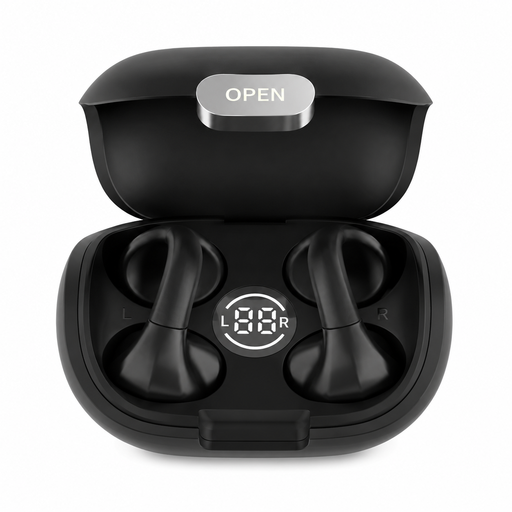
Why it suits this profile: This clip-on model is designed for fitness, travel and everyday use. The stated playback time is around 5 to 7 hours, while Bluetooth 5.4 provides a wireless connection with compatible devices.
The ear-hook and clip-on wearing style make the fit clearer than general terms such as sports earbuds. The stated information does not mention water resistance, so this model is not the obvious choice for swimming.
Bluetooth 5.4, touch controls, charging case and a stated range of up to 15 metres.
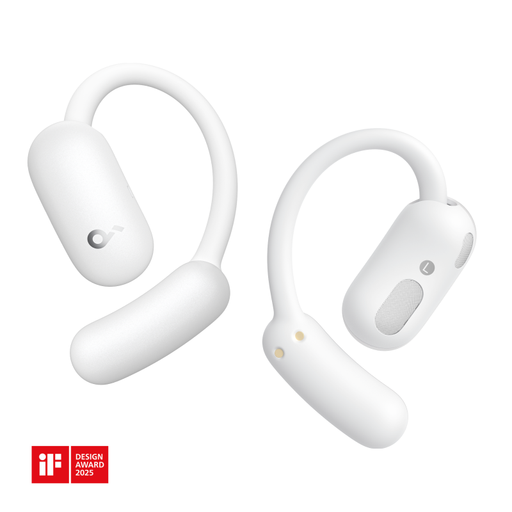
Why it suits this profile: The open-ear design, Bluetooth 5.4, two microphones and stated IP55 rating make it suitable for everyday use, calls and light sporting activities.
The IP55 specification makes it clear that these are not headphones for swimming. The open design supports awareness of surrounding sounds, but use while cycling or in busy traffic should be considered in line with the safety instructions.
750 mAh battery, charging station, button controls and supra-aural open-ear fit.
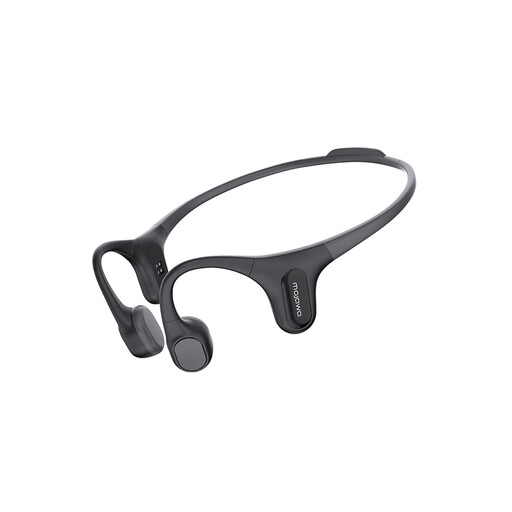
Why it suits this profile: According to the product information, this bone conduction model has 32 GB of internal storage and an IP68 rating. This makes it suitable for sport and situations where a phone connection is not always practical.
The stated IP68 rating and MP3 storage distinguish this model from ordinary Bluetooth earbuds. Before swimming, check the exact instructions for water depth, usage time and charging.
32 GB built-in storage, bone conduction, open-ear design and stated IP68 water resistance.
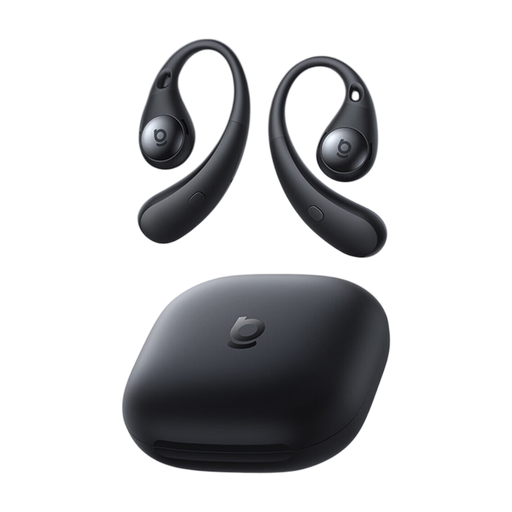
Why it suits this profile: This open-ear TWS model offers a stated playback time of 8 hours at 50% volume and supports Bluetooth 6.0, SBC, AAC and LDAC.
The product specification does not state a water-resistance rating. This avoids creating the wrong expectation that these are headphones for swimming.
USB-C, approximately 1.5 hours’ charging time, a stated communication range of 10 metres and LDAC support.
We have put together a complete, up-to-date list of products that fully meet these strict selection criteria and the applicable European safety regulations.
They can be, provided the fit is secure and you keep the volume low enough to remain aware of your surroundings. Check whether the model has an ear hook, sturdy band or another form of attachment. When cycling or taking part in traffic, you should always follow local regulations and the manufacturer’s safety instructions.
Only if the manufacturer explicitly states that the model is suitable for this purpose and provides an appropriate water-resistance rating. A model with IP55 is not intended for immersion. For swimming, internal storage and a dedicated swimming mode are practical, as Bluetooth may work only to a limited extent in water.
This varies by model and usage. The stated playback time for the models mentioned here ranges from approximately 5 to 8 hours, while models with internal storage or a charging case offer additional flexibility. High volume, phone calls and an active connection can reduce actual battery life.
