
Vandaag of morgen in huis

Kwaliteit gegarandeerd

Welkomstaanbiedingen ontgrendelen: GRATIS bezorging | Tot 80% korting | Gratis 30 dagen JoyPlus-proefperiode
Download de app
Open-ear Bluetooth headphones let you listen to music, podcasts or phone calls without completely blocking your ear canal. This can be useful when walking, working or exercising. However, many buying decisions are based on claims such as “waterproof”, “noise cancelling” or “long battery life”, without making clear what those terms mean in practice.
Watch out for three common pitfalls:
Bone conduction headphones usually sit in front of or beside the ear and use vibrations through the bone next to the ear canal. Open-ear models with an ear clip or earhook direct sound towards the ear from a small speaker. Both designs leave the ear canal mostly clear, but they feel different to wear.
Also consider the weight, the shape of the hook and whether you can adjust its position. A model that feels comfortable on a walk won’t necessarily be suitable as headphones for running.
The IP rating indicates a product’s level of protection against water and dust. For sports headphones, the second digit is particularly relevant:
Waterproof swimming headphones also need a suitable playback method. Bluetooth does not work reliably underwater. According to the product information, the Mojawa RunPlus models combine an IP68 rating with 32 GB of internal storage and an MP3 player, so you can play music without an active Bluetooth connection. After swimming, rinse the device with fresh water, dry it thoroughly and only then charge it.
Don’t just compare maximum battery life; check how it was measured:
A model offering 5 to 7 hours of playback may be enough for a workout, while a full working day may call for a charging case or greater capacity. For calls, multiple microphones, wind protection and microphone placement matter more than the Bluetooth version alone.
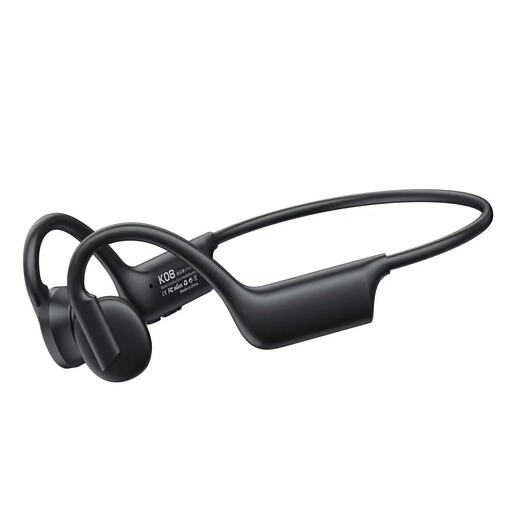
Why it suits this profile: The earhook design, Bluetooth connection and stated battery life of up to 8 hours make these a straightforward choice for walking, fitness and everyday listening.
The product information specifies the fit, a Bluetooth range of 10 metres or more and a stated usage time, rather than relying only on a general claim about suitability for sport.
Bone conduction design, earhook, voice control and multipoint connection, according to the product description.
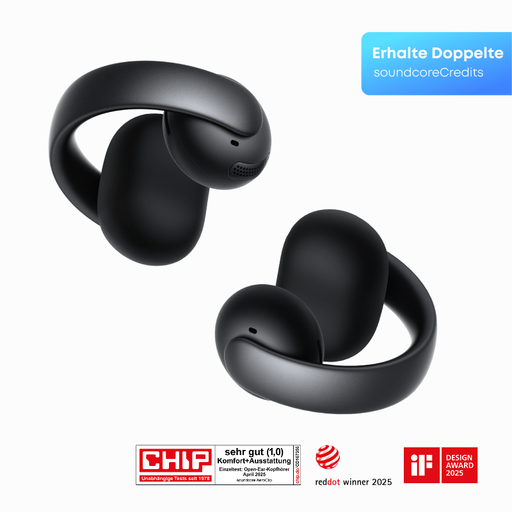
Why it suits this profile: The clip-on design is made for extended wear at work, while travelling, walking and going about your day.
The product information specifies a flexible open-ring design and four beamforming microphones. These are verifiable features to consider alongside the general comfort claim.
12 × 12 mm driver, Hi-Res Audio certification, Virtual Bass and four microphones, according to the product description.
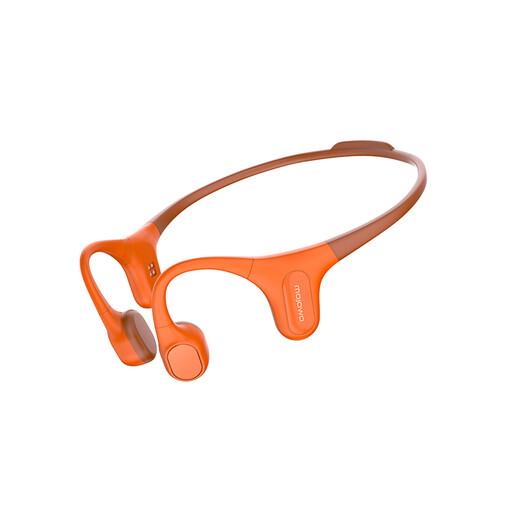
Why it suits this profile: The combination of an open-ear design, an IP68 rating and 32 GB of built-in storage is aimed at running, swimming, cycling and workouts where carrying a phone isn’t always practical.
The product description specifically states IP68 and includes an MP3 player. This makes it easier to distinguish from standard Bluetooth sports earbuds, particularly for swimming.
32 GB of internal storage, MP3 playback and an IP68 rating, according to the product information; rinse and dry after swimming.
We’ve put together a complete, up-to-date list of products that meet these strict selection criteria and the applicable European safety requirements.
That depends on the model and the traffic conditions. Open-ear audio can let you hear ambient sounds, but that doesn’t mean you’ll be sufficiently alert to traffic. Manufacturers of various models warn against using them while cycling or during other activities that require your full attention. Check the manual and follow the UK Highway Code.
Charge the headphones first, switch on Bluetooth on your smartphone and open the Bluetooth settings. Put the device into pairing mode; some models do this automatically when you take them out of the case. Then select the product name from the list. AI translation earbuds may require a separate app. Translation features and supported languages can vary by app and model.
Their lifespan depends on battery use, charging habits, sweat, water and storage. Don’t charge a wet device; use suitable cables and keep the headphones somewhere dry. Avoid listening at high volume for long periods. After using swimming headphones in chlorinated or salt water, rinse them with fresh water and let them dry completely. This helps reduce wear to the casing, charging contacts and battery.
