If you mainly mix in a quiet room, compare an open-back, wired pair of studio headphones for critical listening to the score. If you also record, or want to reduce background noise and sound leakage, consider a closed-back model and pay attention to the fit. Check the connection and cable route at your workstation; having two screens does not, in itself, make a particular pair of headphones more suitable for synchronisation or stereo assessment.
Who is this choice relevant to?
Film score mixer in a quiet room
You assess the balance between instruments and other soundtrack elements while following the picture and audio timeline. Sound isolation is not your main concern. RTINGS and beyerdynamic describe open-back headphones as an option for critical listening and mixing.
Creator who also records
You record parts or vocals and want to limit how much headphone sound reaches a microphone. A closed-back design may better suit your need to reduce sound leakage, though fit still matters.
Mixer at a shared desk
You work alongside others for extended periods and need to consider both the fit and how the cable runs around your two screens. A longer cable can give you more freedom to move, but it can also get in the way.
What should you look for when choosing?
First decide whether you mainly mix in a quiet room or also need isolation while recording. Then compare the fit, connection and cable route.
| Factor |
What should you check? |
Who should prioritise this? |
| Score and stereo balance |
Compare familiar passages at the same listening volume, then listen to the final mix on another playback system too. |
If I mainly want to assess the balance and positioning of instruments in a quiet room, this comes first; around 36% of consumers give score balance their highest priority. |
| Isolation and sound leakage |
Check how the ear cushions fit and whether you’ll be recording with a microphone while mixing. |
If I work in a shared or noisy space, or record, I want to reduce background noise and sound leakage; around 29% of consumers prioritise isolation. |
| Comfort during long sessions |
Try the headphones for an extended period and check for pressure from the headband and ear cushions. Also check whether the ear cushions are replaceable. |
If I have long mixing sessions, I want to know whether the fit stays comfortable; around 21% of consumers give wearing comfort their highest priority. |
| Connection and cable route |
Check the audio output, the plug or adaptor you need, and whether the cable crosses your workstation or pulls when you move. |
If I need to connect my headphones to a specific computer or interface output, I also want enough cable length; around 14% of consumers prioritise the connection and cable route. |
Common pitfalls
-
Choosing an open-back model when recording at the same time or working alongside others
Open-back headphones let in background noise and allow sound to leak out. This can be distracting or cause headphone sound to reach a microphone.
Before choosing, decide whether you mainly mix in a quiet room or also need isolation and monitoring while recording.
-
Assuming a spacious sound means the mix will sound the same everywhere
Stereo positioning through headphones is not the same as listening through speakers.
Check important decisions about balance and positioning on another playback system too.
-
Focusing only on the plug or cable length
The audio output, any adaptor you need and the cable route all affect how practical the headphones are at your two-screen desk.
Check the accessories supplied with the exact version and consider how the cable will run from the audio output to where you’ll be listening.
Depending on your connection, you may need a suitable adaptor or replacement cable. Check what’s included with the version you’re buying before you order.
Brands to compare
beyerdynamic
According to beyerdynamic, the open-back DT 900 PRO X is designed for critical listening and mixing in a quiet room, while the closed-back DT 700 PRO X is aimed at recording and monitoring.
- The DT 900 PRO X has a detachable cable and a nominal impedance of 48 ohms.
- An open-back design is less suitable if you need isolation. The manufacturer lists stereo positioning as an advantage; this is not an independent comparison with every other model.
AKG
AKG positions the open-back K702 for critical listening, mixing and mastering in a quiet workspace.
- AKG lists a detachable mini-XLR cable, replaceable ear cushions, a 3.5 mm plug with a 6.3 mm adaptor and an impedance of 62 ohms.
- Claims about accuracy and spaciousness come from AKG. The open-back design is not intended to block out background noise.
Audio-Technica
The closed-back ATH-M50x is worth comparing if you need isolation or monitoring while recording as well as mixing.
- Audio-Technica lists detachable cables and passive isolation from the earcups.
- Descriptions of the sound and comfort come from the manufacturer. Assess the balance and fit for yourself; this does not establish that it is generally superior for film mixing.
Sony
Sony positions the MDR-7506 for recording and studio use; it’s worth comparing if you’re looking for a wired monitoring option.
- Sony lists a 3 m cable and a weight of 230 g. These details can help you assess the cable route and fit.
- These specifications don’t prove that the headphones will be comfortable for everyone or help a mix translate better.
Sennheiser
The open-back HD 560S is another option for analytical listening in a quiet room.
- Sennheiser describes it as having open earcups and a tuning designed for comparative listening.
- This manufacturer description doesn’t prove that the model is a better fit for every film workflow; assess the fit, connection you need and sound leakage.
Headphones at Joybuy
These Joybuy products are headphones and headsets to compare for listening or communication. Check whether the connection, fit and intended use of each model suit your mixing workflow.
 No image available
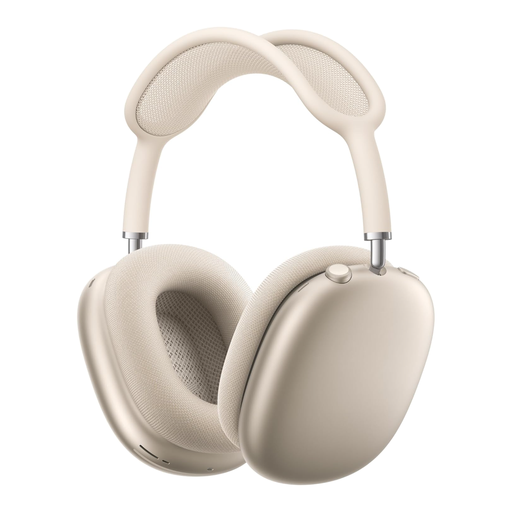
AirPods Max 2 – Starlight
Compare this model if you want to assess features for listening in different environments; check that its connection options suit your audio setup.
The product description lists active noise cancellation, Transparency and dynamic head tracking for spatial audio.
View at Joybuy
 No image available
Sennheiser MOMENTUM 4 Wireless
Compare this model if you want the option of listening via a wired connection; check that the connection and supplied cable are compatible with your audio interface.
The product description lists a 3.5 mm audio cable, passive use without a battery and a 42 mm transducer system.
View at Joybuy
 No image available
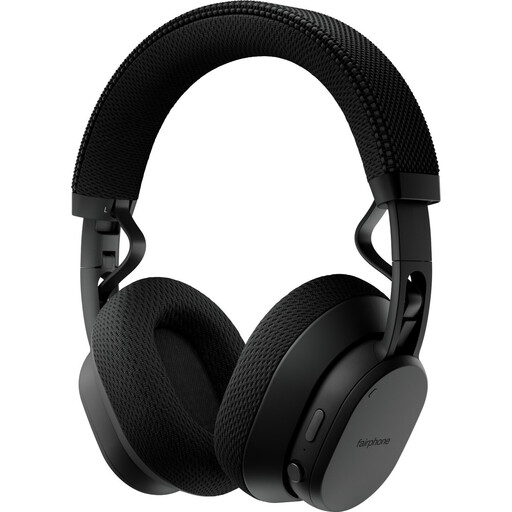
Fairphone Fairbuds XL 2025 Black
Compare this closed-back model if isolation is important to you; check the fit and whether it suits your recording and mixing setup.
The product description lists a closed-back design, Hybrid ANC and replaceable parts, including the battery, ear cushions and speaker units.
View at Joybuy
 No image available
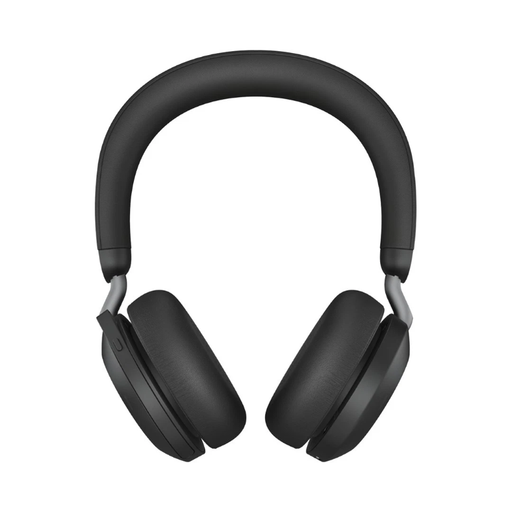
Jabra Evolve2 75
Compare this headset if communication is an important part of your work; check that the connections are compatible with your computer and audio setup.
The product description lists Bluetooth, a supplied USB-C cable, active noise cancellation and eight microphones.
View at Joybuy
 No image available
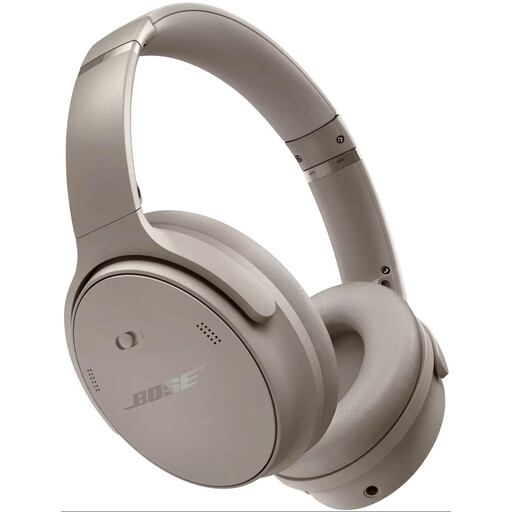
Bose QuietComfort Headphones Sandstone
Compare this model if you want to listen wirelessly and assess its ambient sound features; check that its connection options work with your mixing setup.
The product description lists Bluetooth, active noise cancellation and noise-cancelling and transparency modes.
View at Joybuy
Frequently asked questions
Do you need special headphones because you use two screens?
No. Using two screens does not, in itself, place any specific requirements on your headphones. Check the audio output, plug and cable route separately from your picture and timeline layout; check synchronisation in the software and audio setup you use.
How do you check a mix made mainly on headphones?
Listen to the final mix on another playback system too. Headphones present stereo positioning differently from speakers, so treat conclusions about spatial balance as something to check.
What should you consider for extended listening and maintenance?
During a longer listening session, check that the headband and ear cushions feel comfortable, keep the volume down and see whether the cable and ear cushions on the exact model can be replaced. The World Health Organization points out that both sound level and exposure time matter for safe listening.
What are your rights when buying headphones online in the Netherlands?
For applicable consumer purchases made at a distance, a 14-day cooling-off period applies in many cases; exceptions and the terms of the purchase matter. According to the Dutch government, the statutory guarantee applies when a product does not meet what you could reasonably expect under normal use. The Netherlands does not have a fixed, general two-year guarantee period.


