What should you look for?
First, decide whether you’ll also be recording as you listen back, or need to block out sounds from your workspace. Then check the connection and whether you can measure and adjust files individually in software.
| Purchase concern |
What to look for |
Who it matters to |
| Comparing levels |
Keep your listening level consistent and use a loudness meter or matching function in software to adjust files. Adobe describes these measurement and correction steps for audio files. |
When comparing recordings, I want to assess differences in loudness separately. Around 36% of consumers are chiefly concerned with comparing levels. |
| Isolation and sound leakage |
Decide whether you’ll be recording at the same time or working in a shared space, then check whether the model is open- or closed-back. Shure explains that sound can travel in and out through open earcups. |
If I’m working with a microphone or want to block out background noise, the level of isolation matters. Around 29% of consumers prioritise isolation and sound leakage. |
| Comfort and listening volume |
Check the fit and whether the ear pads are replaceable. Keep the volume at a sensible level and take listening breaks. The World Health Organization advises limiting exposure to loud sounds. |
For long listening sessions, I want a comfortable fit that lasts and the ability to keep the volume under control. Around 21% of consumers put comfort first when choosing headphones. |
| Connection and maintenance |
Check the plug size, whether you need an adapter and whether the audio output is compatible with the exact model. Also check whether the cable and ear pads are replaceable. |
If I want to keep using my existing equipment, I check the connection and maintenance parts first. Around 14% of consumers make these their top priority. |
Joybuy products
The headphones below are listed as offering a wired listening option. Before choosing, check that the connection and intended use suit the way you work when listening critically.
 No image available
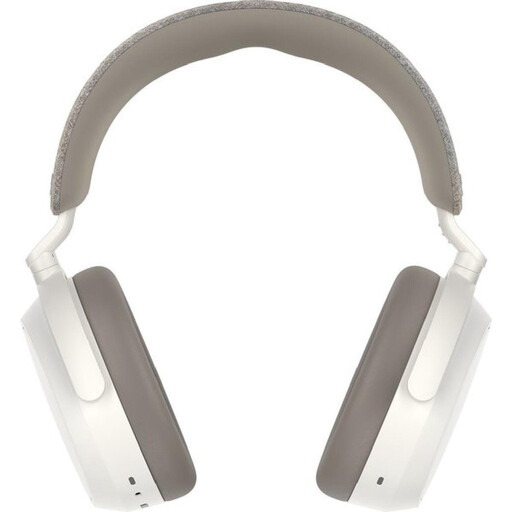
Sennheiser MOMENTUM 4 Wireless, white
The product information lists a supplied 3.5 mm audio cable and wired use without battery power. Check that the connection is compatible with your audio output.
Over-ear headphones; the product name identifies them as a wireless model.
Joybuy
 No image available
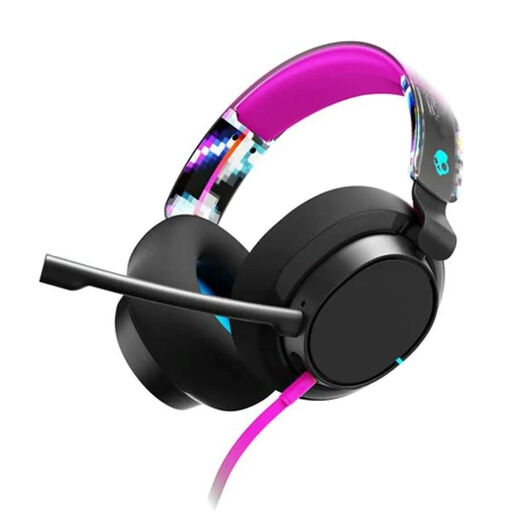
Skullcandy SLYR Pro Multi-Platform Gaming Wired, black and red
The product name identifies this as a wired gaming headset. Check that the connections suit your audio equipment and the way you work when listening critically.
The product name describes an over-ear design in a black and red finish.
Joybuy
 No image available
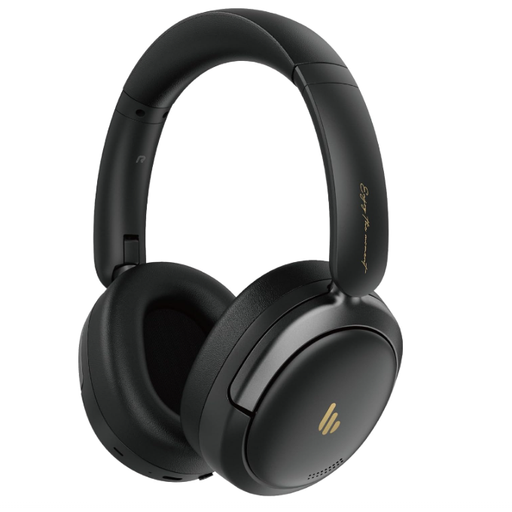
Edifier Atom Max Foldable Over-Ear Headset, black
The product information lists USB-C audio. Check that this connection is compatible with your equipment before choosing this model for wired listening.
The product name describes a foldable over-ear design.
Joybuy
 No image available
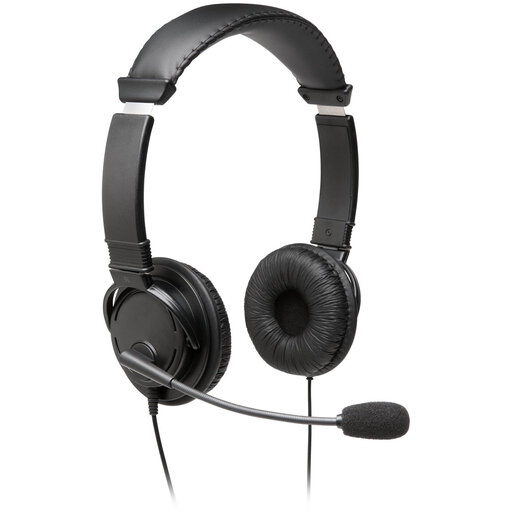
Kingston USB Hi-Fi Headphones with Microphone
The product name describes USB headphones with a microphone. Check that the USB connection suits your audio setup.
Joybuy
 No image available
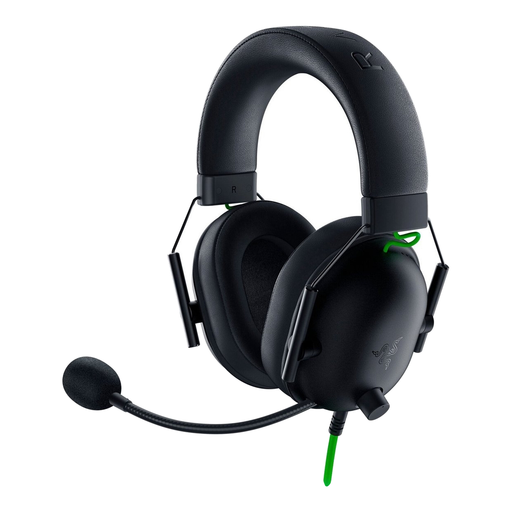
Razer BlackShark V2 X 7.1 Wired Gaming Headset, black
The product information lists a wired 3.5 mm connection. Check that it’s compatible with your audio output before choosing this model for critical listening.
The product name describes a gaming headset with a 7.1 designation.
Joybuy
Frequently asked questions
Can studio headphones automatically make recordings the same volume?
No. Keep the listening level the same when comparing recordings, and measure and adjust the loudness of files separately in software. EBU R 128 covers programme loudness and true peak, among other things. Its −23 LUFS target isn’t automatically right for every recording or publication.
What should I check when connecting and maintaining headphones?
Check the plug and any adapter against your audio output, and check the cable and ear pads for the exact model. Sony lists a supplied adapter for 3.5 mm and 6.3 mm connections with the MDR-7506; beyerdynamic lists replaceable ear pads for the DT 770 PRO.
How can I listen responsibly during long editing sessions?
Keep the volume at a sensible level and take listening breaks. The World Health Organization gives 80 dB for up to 40 hours a week as an example of safe listening exposure; at higher levels, the safe listening time is shorter. This isn’t a guaranteed safe setting on the volume control of every pair of headphones.
What are my rights when buying online in the Netherlands?
For a standard online consumer purchase, you generally have a statutory 14-day cooling-off period from delivery. Check the applicable exceptions and conditions for trying and returning goods. You’re also covered by statutory guarantees if a product doesn’t perform as you could reasonably expect under normal use; this doesn’t automatically mean a fixed two-year guarantee period. ACM ConsuWijzer explains the cooling-off period and statutory guarantees.


