Brands to compare
These brands offer a range of models and versions to consider alongside your desk setup. The product claims mentioned are not an independent assessment of how suitable they are for tape restoration.
beyerdynamic
Includes the closed-back DT 770 PRO and DT 700 PRO X models, as well as the open-back DT 990 PRO.
- The manufacturer says the DT 770 PRO has replaceable earpads.
- The 48 Ω DT 700 PRO X differs from the 80 Ω DT 770 PRO, so check the exact version. RTINGS.com notes that the DT 700 PRO X may have fatiguing treble and offers limited isolation from conversations.
Audio-Technica
The ATH-M50x is a closed-back, foldable model for anyone comparing cable options.
- Audio-Technica specifies three detachable cables and passive isolation.
- The manufacturer’s description of the sound is not an independent assessment for tape restoration.
Sony
The MDR-7506 is a closed-back model with a long fixed cable.
- Sony specifies an impedance of 63 Ω and a cable of around 3 m, with 3.5 and 6.3 mm connection options.
- A long fixed cable can be awkward on a small desk, so choose a cable length that suits your setup.
Sennheiser
The open-back HD 560S is an option to consider for a quiet listening room.
- Sennheiser specifies 120 Ω and describes the model as suitable for A/B comparisons.
- This is the manufacturer’s positioning; an open-back design is less suitable if you need isolation or minimal sound leakage.
Shure
The closed-back SRH440A is an option if you’re looking for a detachable straight cable.
- Shure specifies a detachable cable and a 6.3 mm adapter.
- Shure’s description of the sound is not an independent measurement for this listening task.
Headphones at Joybuy
These Joybuy picks are general-purpose headphones for audio playback. A wired connection or any other listed feature does not prove that a model is suitable for critical assessment of tape restoration; check the connection and fit for your setup.
 No image available
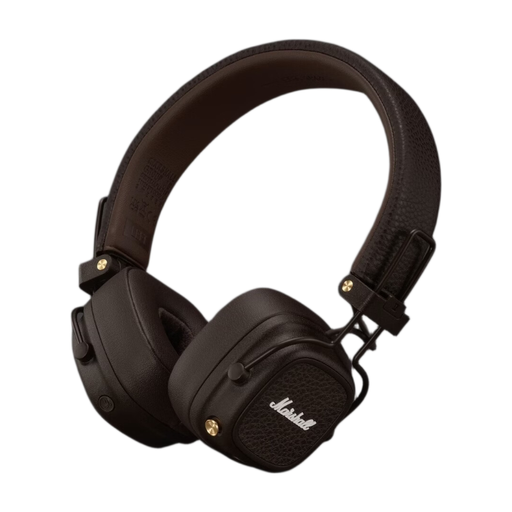
Marshall Major V Wireless On-Ear Bluetooth Headphones, Brown
These on-ear Bluetooth headphones are a general-purpose listening option; check for yourself whether the fit and connection suit your workspace.
On-ear design, Bluetooth and a brown finish.
View at Joybuy
 No image available
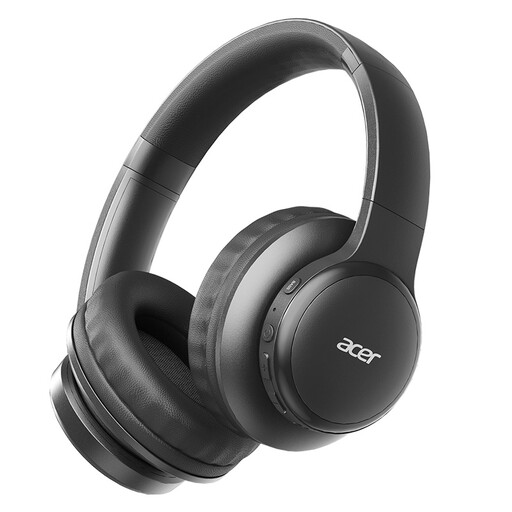
Acer OHR559 OWS Wireless Headphones, Bluetooth 5.3
These wireless headphones are a general-purpose option for audio playback; check whether wireless listening suits the way you make comparisons.
Bluetooth 5.3 and a foldable design.
View at Joybuy
 No image available
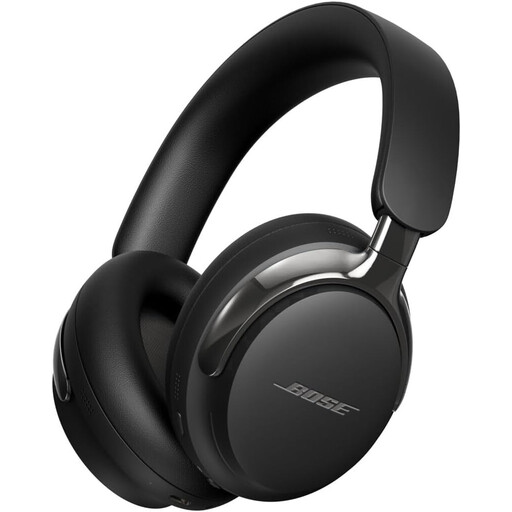
Bose QuietComfort Ultra Headphones (2nd Gen), Black
These headphones are a general-purpose listening option; for critical comparisons, check that this version’s connection suits your listening source.
Model: QuietComfort Ultra Headphones (2nd Gen), black finish.
View at Joybuy
 No image available
Bose QuietComfort Ultra Bluetooth Headphones, Black
These Bluetooth headphones are a general-purpose listening option; check whether the connection suits how you want to compare the recording.
Bluetooth and a black finish.
View at Joybuy
 No image available
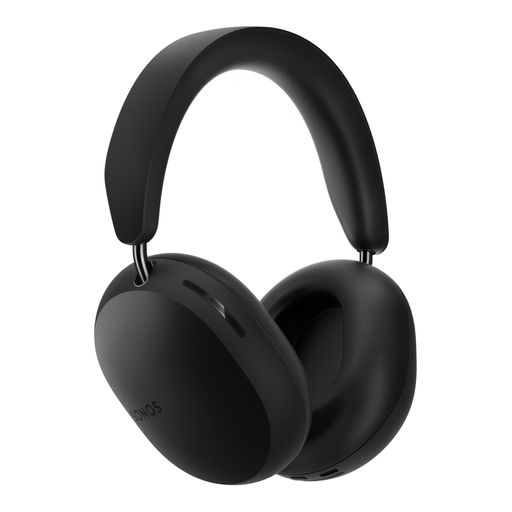
Sonos ACE Over-Ear Bluetooth Headset, Black
These over-ear Bluetooth headphones are a general-purpose listening option; check whether the connection suits your workflow for before-and-after comparisons.
Over-ear design, Bluetooth and a black finish.
View at Joybuy
Frequently asked questions
Can headphones confirm that all tape noise has been safely removed?
No. Compare the unedited and edited recordings, and listen to what the noise processing removes as well. Audacity warns that wanted audio can be affected if it sounds like the noise.
Are open-back or closed-back headphones better for tape restoration?
Open-back headphones may suit a quiet room where sound leakage is not a problem; closed-back headphones are a better option if outside noise is distracting. Closed-back does not mean conversations will be blocked completely, and isolation varies by model.
Which connection do I need for my laptop or audio interface?
Check the output on your own device and the exact headphone variant. According to beyerdynamic, the DT 770 PRO 80 Ω has a 3.5mm plug with a 6.35mm adapter; Sony lists 3.5 and 6.3 mm connection options for the MDR-7506. You’ll need to check whether a particular output provides enough level for that combination.
What is the difference between the DT 770 PRO and the DT 770 PRO X?
They are different models: beyerdynamic lists several impedance variants for the DT 770 PRO, including 80 Ω, and a 48 Ω version with a detachable cable for the DT 770 PRO X. Check the full model name and connection before choosing a version.
What are my rights when buying online in the Netherlands?
According to ACM ConsuWijzer, for a standard online consumer purchase you generally have a statutory cooling-off period of up to 14 days after delivery, subject to legal exceptions. The seller must also offer an appropriate solution if a product, when used normally, does not meet what you could reasonably expect; the statutory guarantee does not simply have a fixed two-year period for every product.


