If you’re assessing sound effects in a quiet room, start with open-back studio headphones. If background noise or sound leakage is a concern, closed-back headphones are a better bet. RTINGS.com describes open-back models as suitable for mixing and mastering, but notes that they leak sound and do little to block out background noise. Also check that they’re compatible with your audio output, consider the cable route with your desk both sitting and standing, and make sure they’re comfortable during longer sessions.
Who is this for?
Critical sound-effects evaluator
You compare details and the positioning of sound effects in a quiet room. RTINGS.com describes open-back models as suitable for mixing and mastering, but notes that they leak sound and do little to block out background noise.
Editor in a shared workspace
You want to assess sound effects while colleagues or equipment may be audible. RTINGS.com points out that open-back models do little to block out background noise. For the DT 770 PRO, beyerdynamic also offers different impedance options for different equipment.
Standing editor with long sessions
You switch between sitting and standing, or wear your headphones for extended periods. So pay attention to fit, cable routing and replaceable parts. Sennheiser lists the HD 490 PRO as having a detachable cable that can be connected on either the left or right side.
What should you look for?
Open-back studio headphones
Best if: you listen critically to details and the positioning of sound effects in a quiet room.
Bear in mind: RTINGS.com notes that these headphones leak sound and do little to block out background noise.
Closed-back studio headphones
Best if: noise from colleagues or equipment could affect your assessment, or you want to limit sound leakage.
Bear in mind: check how comfortable they are and how they sound to you during longer sessions.
| What to consider |
What should you look for? |
Who is this most important for? |
| Detail and tonal balance |
Compare familiar sound effects using your own audio output; don’t judge accuracy by the stated frequency range alone. |
If I want to assess details and the positioning of sound effects in a quiet room, the tonal balance needs to work well with my own output. Around 33% of consumers put sound quality first. |
| Isolation |
Consider open-back and closed-back designs in terms of background noise and sound leakage in your workspace. |
When colleagues or equipment are audible, I want to avoid background noise masking quiet effects or my audio disturbing others. Around 27% of consumers prioritise isolation. |
| Comfort during long sessions |
Try the headband and ear pads; check whether replacement pads are available for the exact model. |
If I listen for extended periods, I want the fit to stay comfortable and the headphones not to feel unnecessarily tight. Around 20% of consumers place wearing comfort above other buying priorities. |
| Cable and connection |
Check the cable route with your desk both sitting and standing, and make sure the plug, any adapter and the included cable length are suitable. |
If I change my desk height, I want to make sure the cable won’t become taut or run alongside moving parts. Around 20% of consumers prioritise cable routing and connection. |
Pitfalls to avoid when buying
-
Choosing based on frequency range alone
A frequency range in hertz doesn’t, by itself, tell you how headphones will reproduce sound effects in your set-up.
Compare familiar sound effects using the audio output you plan to use, and consider whether open-back or closed-back headphones are better suited to your space.
-
Assuming every DT 770 PRO offers the same connection experience
beyerdynamic offers 32, 80 and 250-ohm options for different types of equipment.
Check the impedance of the exact version and compare it with the output you plan to use.
-
Checking the cable only while sitting
A cable that works well with your desk at its lowest setting may pull or run alongside moving parts when you’re standing.
Check the cable route with the desk in both positions, and confirm the cable length and box contents for the exact version.
Brands to consider
beyerdynamic
The closed-back DT 770 PRO is available in several impedance options. The DT 770 PRO X is a separate model.
- According to beyerdynamic, the DT 770 PRO has replaceable ear pads.
- The DT 770 PRO comes in 32, 80 and 250 ohm versions, so check which one suits your audio output. The DT 770 PRO X has a detachable cable, but that feature isn’t automatically included with the standard DT 770 PRO.
Sennheiser
The open-back HD 490 PRO is designed for critical listening in a quiet room.
- Sennheiser lists a detachable cable that can be connected on either the left or right side, as well as replacement cables and ear pads for this model.
- Its open-back design makes this model less suitable if you need isolation or minimal sound leakage.
Audio-Technica
The closed-back ATH-M50x is worth considering if you want to compare different included cable lengths.
- Audio-Technica Europe lists three detachable cables: a 1.2 m straight cable, a 3.0 m straight cable and a 1.2–3.0 m coiled cable.
- The cable options alone don’t tell you whether the sound is suitable for assessing your sound effects; check the connection and fit too.
Sony
Sony describes the closed-back MDR-7506 as professional headphones for studio use.
- The MDR-7506 is a foldable model.
- Sony lists wearing comfort as a design feature; try the fit for yourself if you have longer sessions.
AKG
The closed-back, foldable K371 is worth comparing if weight and connection are important to you.
- AKG lists a weight of 255 g and a nominal impedance of 32 ohm.
- Check that the connection on the version you’re considering suits your audio output, and that the headphones remain comfortable during longer listening sessions.
Products at Joybuy
These Joybuy product picks list wired listening options. For critical sound-effects work, check playback using familiar material and assess the cable route with your desk in both positions.
 No image available
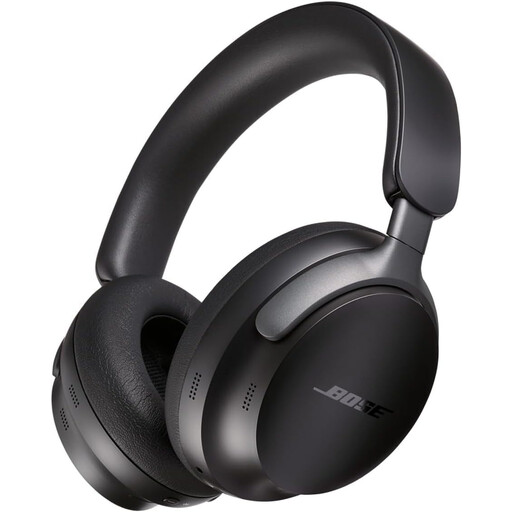
Bose QuietComfort Ultra Bluetooth Headphones, Black
Could suit you if you’re also looking for active noise cancellation; check that the included 1 m cable reaches your audio output with your desk in both positions.
Bluetooth 5.3; battery life up to 24 hours; closed-back design; 1 m audio cable; weight 380 g.
View on Joybuy
 No image available
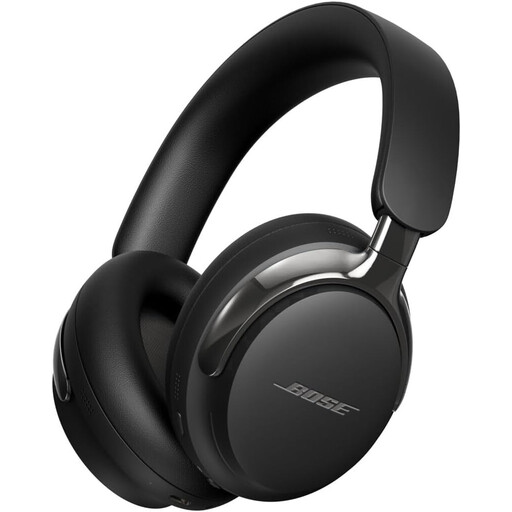
Bose QuietComfort Ultra Headphones (2nd Gen), Black
Could be worth considering if you want a wired connection and active noise cancellation; test the playback using effects you know well.
Bluetooth 5.4; detachable cable with USB-C and 3.5 mm connections; active noise cancellation.
View on Joybuy
 No image available
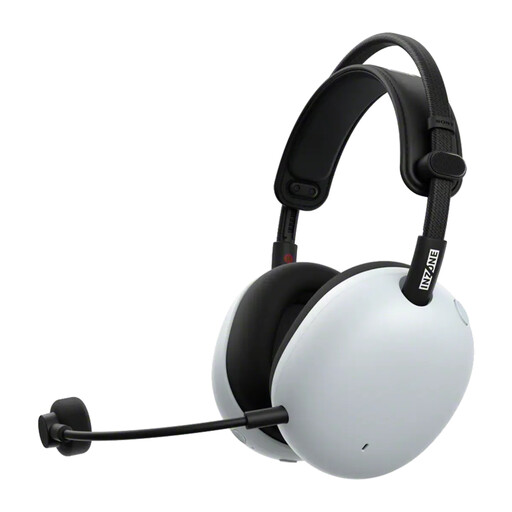
Sony PlayStation INZONE H9 II Wireless Noise Cancelling Headset, White
This is a headset. If you’re considering it for assessing sound effects, check the playback using familiar material. The listed 200 cm cable gives you a specific length to use when checking the route around your sit-stand desk.
Detachable 200 cm cable; active noise cancellation; stereo audio playback; battery life up to 30 hours; weight 260 g.
View on Joybuy
Frequently asked questions
Should I choose open-back or closed-back headphones for a quiet office?
Open-back headphones are a better fit if the room is quiet and sound leakage isn’t a concern. Closed-back headphones make more sense if you can hear background noise. Also compare the sound and fit using your own work materials.
How do I connect headphones to a sit-stand desk?
Check that the plug fits the output on your computer or audio interface, then route the cable so it isn’t taut or running alongside moving parts when the desk is at either its lowest or highest setting. Check the included cable length for the exact version.
How should I listen when repeatedly playing loud sound effects?
Keep the volume as low as is practical for your work and take breaks. The World Health Organization emphasises that both sound level and exposure time matter. Its example of 80 dB for up to 40 hours per week isn’t a setting for your volume control or a guarantee of individual safety.
What if the fit isn’t right after buying online as a consumer?
For an eligible online consumer purchase in the Netherlands, you’ll generally have a 14-day cooling-off period after delivery, although exceptions may apply. The Netherlands Authority for Consumers and Markets also explains the rules on trying out products. This is separate from your statutory rights if a product is faulty or doesn’t meet requirements: the seller is responsible for that. Check separately which terms apply if you’re buying for business use.


