For mixing in a shared bedroom, wired, closed-back over-ear studio headphones are generally the more practical starting point: they leak less sound to your room-mate than an open-back design. RTINGS and Audio-Technica describe open-back models as allowing sound to escape. If you’re listening on your own and sound leakage isn’t an issue, an open-back model may appeal. With either type, check the fit and connection, and assess important mix decisions on other playback equipment too, as Sonarworks recommends.
Who is this choice relevant to?
Mixing with a room-mate
If someone else is in the same bedroom, sound leaking to them and noise from them can affect your choice. RTINGS and Audio-Technica describe isolation and sound leakage as key differences between open-back and closed-back designs.
Critical listening in a quiet space
When you’re listening on your own or in a quiet room, you can focus on stereo positioning and whether changes to your mix hold up on other playback equipment. Sonarworks explains why listening through headphones gives you different spatial cues from listening through speakers.
Home mixer working in long sessions
For longer listening sessions, fit, cable and connection all matter. The Consumers’ Association lists wearing comfort and cable length as test criteria. Also check whether the ear pads are replaceable on the exact model you’re considering.
What should you look for when buying?
In a shared bedroom, start by considering how much sound can leak out. Then think about how you’ll check your mix changes, how long you’ll wear the headphones and whether the connection is compatible with your equipment.
Closed-back, wired design
Choose this when: you’re mixing while someone else is in the bedroom, or recording there.
Bear in mind: the sound may feel less spacious than with an open-back design, and the fit affects how well they seal.
Open-back, wired design
Choose this when: you’re listening on your own or the other person doesn’t mind audible sound leakage.
Bear in mind: open-back headphones leak sound and block little background noise, which can make them impractical in a shared bedroom. RTINGS describes this limitation of open-back models.
| Consideration |
What to look for |
Who should consider this? |
| Sound leakage and distractions |
Check whether the model is closed-back and fits snugly. At your usual listening volume, see if someone sitting next to you can hear the sound. |
If I’m mixing in the same room as someone else, I want to disturb them as little as possible and hear fewer distractions myself. Around 36% of consumers put reducing sound leakage and distractions at the top of their list when buying. |
| Assessing mix changes |
Compare familiar reference tracks under the same conditions, and check important changes on other playback equipment too. A frequency range alone doesn’t prove that sound reproduction is neutral. |
When I want to assess small changes to balance or stereo positioning, I don’t want to rely on just one pair of headphones. Around 29% of consumers prioritise checking their mix. |
| Comfort during long sessions |
Consider pressure, heat and fit, including if you wear glasses. Check whether the ear pads can be replaced. |
If I’m listening for long periods, I want my headphones to feel comfortable and fit well. Around 21% of consumers say long-term wearing comfort is their top priority when buying. |
| Connection and maintenance |
Check the output on your laptop or audio interface, the plug and any adapter, the cable length and the cable design. |
When I want to use headphones with my existing equipment, I want to know in advance whether the plug and cable are compatible. Around 14% of consumers put connection and maintenance at the top of their list. |
Common pitfalls
-
Choosing an open-back model without considering your room-mate
An open-back design lets sound out and blocks little background noise. This can make sharing a bedroom impractical.
Think in advance about when and with whom you share the room. Save an open-back model for times when audible sound leakage is acceptable.
-
Treating the frequency range as proof of neutral mix reproduction
A frequency range in hertz doesn’t tell you on its own how loudly individual frequencies are reproduced. A listening test and a check on other playback equipment answer different questions.
Use familiar reference tracks and check important mix changes beyond your headphones too.
-
Assuming the cable and model variant will be suitable
Models can vary in cable design, cable length and the connections supplied.
Before buying, check the exact model variant, plug and any adapter against your own device and setup.
Brands to compare
beyerdynamic
The closed-back DT 770 PRO 80 Ohm and open-back DT 900 PRO X make the choice between isolation and a more open listening experience clear.
- According to the product specifications, the DT 770 PRO 80 Ohm has replaceable ear pads.
- The DT 770 PRO 80 Ohm has a fixed, straight cable; the DT 900 PRO X has a detachable cable, and its open-back design lets sound through.
Sennheiser
The closed-back HD 280 PRO is worth considering if passive isolation and replaceable ear pads are important to you.
- Sennheiser states that the HD 280 PRO offers attenuation of up to 32 dB and has replaceable ear pads.
- ‘Up to 32 dB’ doesn’t guarantee the same attenuation for every wearer or frequency. Also check the 3.5mm connection and supplied adapter.
Sony
The wired MDR-7506 is a reference pair of headphones for recording and studio use.
- Sony states that it has a 3 m cable and weighs 230 g.
- Check whether the cable length suits your bedroom setup. These specifications alone don’t prove superior mix accuracy.
AKG
According to the Dutch product page, the closed-back K371 is designed for studio monitoring and use on the go.
- AKG lists three detachable cables and replaceable ear pads for the K371.
- The descriptions of neutrality and isolation are manufacturer claims, not an independent comparison with other models.
Audio-Technica
The closed-back ATH-M50x is worth considering if you’re looking for a wired, foldable model with several cable options.
- Audio-Technica lists three detachable cables and passive isolation for the ATH-M50x.
- The manufacturer’s description of its bass and clarity doesn’t prove that this model is the most neutral choice for every mix.
Headphones at Joybuy
This Joybuy selection features over-ear headphones whose product information mentions a wired listening option. A wired connection alone doesn’t make a pair of headphones a studio reference model.
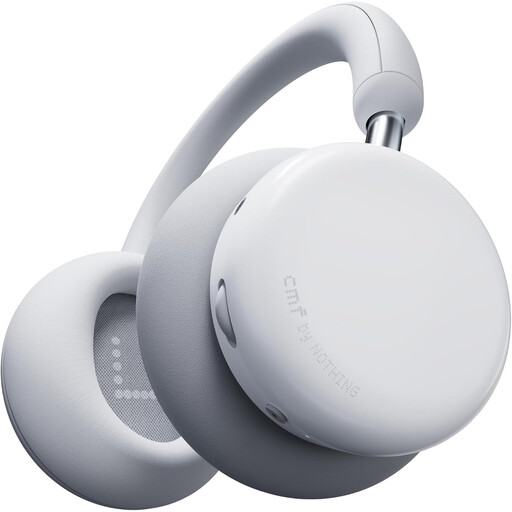 Image unavailable
CMF by Nothing Headphone Pro Light Grey
Could suit you if you want to listen via a wired connection and take the stated weight into account. The wired option doesn’t automatically make these reference headphones for mixing.
Wired audio is listed. Stated weight: 283 g.
Joybuy
 Image unavailable
Sonos Ace Black
Could suit you if you’re looking for a wired listening option. Check that the cables and connections listed are compatible with your audio equipment.
According to the product information, wired sources can be connected using USB-C and 3.5mm cables. The description mentions memory foam ear pads and an adjustable headband.
Joybuy
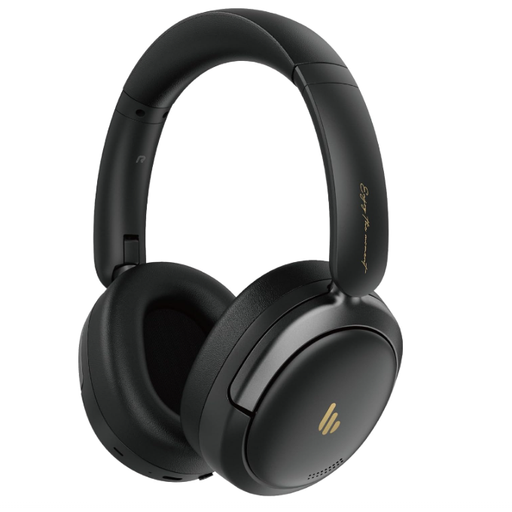 Image unavailable
Edifier Atom Max Black
Could suit you if you want to listen via USB-C. Check that the connection is compatible with your source.
The product information lists USB-C audio, Bluetooth, hybrid active noise cancellation and a foldable design.
Joybuy
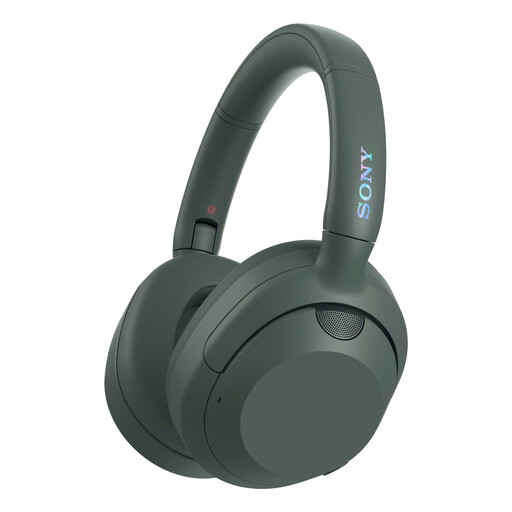 Image unavailable
Sony ULT WEAR Forest Gray
Could suit you if you’re looking for closed-back over-ear headphones with a wired listening option. Check that the 3.5mm connection is compatible with your source.
The product information lists a closed-back design, an over-ear fit and a 3.5mm connection.
Joybuy
 Image unavailable
Bose QuietComfort Ultra Headphones (2nd Gen) Black
Could suit you if you’re looking for closed-back over-ear headphones with a wired listening option. Check that the connection is compatible with your equipment.
The product information lists a detachable cable with USB-C and 3.5mm connections.
Joybuy
Frequently asked questions
Can I use open-back headphones in a shared bedroom?
Yes, if the other person doesn’t mind audible sound leakage at the time. Open-back headphones are less suitable if someone next to you is resting or if you’re recording with a microphone at the same time. RTINGS and Audio-Technica explain that open-back designs let sound through.
How do I connect studio headphones to my laptop or audio interface?
Check which headphone output your device has and which plug and adapter come with the exact model variant. According to beyerdynamic, the DT 900 PRO X has a 3.5mm plug with a 6.35mm adapter. Also check that the output gives you a suitable listening volume with your chosen headphones.
How can I avoid constantly turning the volume up to hear the details?
Keep the volume low and choose a fit that blocks enough background noise, so you’re less tempted to turn it up. The World Health Organization stresses that both sound level and listening time matter. A volume setting without a measurement isn’t a reliable decibel reading.
What if headphones I bought online aren’t right for me or develop a fault?
For online purchases in the Netherlands, you generally have a 14-day cooling-off period. Check the terms and any exceptions that apply to your purchase. A faulty product is a different matter from a purchase you simply don’t like: the Dutch government describes the legal guarantee as your right to a product that meets reasonable expectations, and states that there is no fixed, general two-year period for this in the Netherlands.


