
Producer balancing kick and bass
You’re mixing a dance track with little room for speakers and mainly want to assess the balance between kick and bass. Check your mix on a second playback system too.


If you mix in a quiet room and want to assess stereo imaging and balance, compare open-back models. If you work in a shared space or record close to a microphone, consider closed-back models for greater isolation. With either type, check the kick and bass balance using familiar reference tracks and a second playback system. As Sonarworks points out, mixing on headphones doesn’t guarantee that your mix will sound the same on other systems.
You’re mixing a dance track with little room for speakers and mainly want to assess the balance between kick and bass. Check your mix on a second playback system too.
You’re working at a small desk, where background noise or a nearby microphone could make an open-back design less practical.
You wear your headphones for long periods and want the fit, cable and connection to suit your workspace.
When is this a good fit? If you mix in a quiet room and want to assess stereo imaging and balance. beyerdynamic positions the DT 900 PRO X specifically for mixing, while Sennheiser describes the HD 560S as an analytical listening model.
The trade-off: An open-back design doesn’t offer the same isolation as a closed-back model. So check your mix outside your headphones too.
When is this a good fit? If background noise is distracting, other people are in the room or you’re recording close to a microphone.
The trade-off: According to beyerdynamic, the closed-back DT 700 PRO X has a more compact stereo image than the open-back DT 900 PRO X. A manufacturer’s description doesn’t prove how your mix will translate.
Sonarworks recommends checking a headphone mix on other playback systems too. If you’re choosing headphones for this mixing setup, your main buying concern will depend on your workspace and how you work.
| Consideration | What to look for when buying | Who is this most relevant to? |
|---|---|---|
| Kick and bass balance | Compare familiar dance tracks at the same listening level and check your own mix on another playback system too. | If you want to assess the balance between kick and bass at a small desk, this is the main concern for around 36% of consumers in this situation. |
| Isolation | Consider whether other people will be in the room or whether you’ll also be recording; check that the ear cushions fit snugly. | If you’re working with background noise or a nearby microphone, isolation matters. Around 29% of consumers in this situation put it first. |
| Comfort and maintenance | Try the headphones on with any glasses you wear, and check for pressure on your ears and head. See whether the cables or ear cushions can be replaced. | Fit and maintenance matter during long mixing sessions. Around 21% of consumers in this situation have this as their main buying concern. |
| Connection and cable | Check the audio output, supplied plug or adapter, and cable length for your desk setup. | If you want to know whether the connection will work with your laptop or audio interface and whether the cable will reach comfortably, this is the main concern for around 14% of consumers in this situation. |
A frequency range on the packaging doesn’t, by itself, tell you how the frequencies balance against each other or how your mix will sound on other systems.
Compare familiar tracks on the headphones and check your own mix on a second playback system.
An open-back design offers less isolation than a closed-back model. According to beyerdynamic, the closed-back DT 700 PRO X provides better isolation for recording, while the open-back DT 900 PRO X offers a wider stereo image.
Consider whether you’ll be recording at the same time, can hear background noise or share the room; don’t rule out either design straight away.
Connections and cable lengths vary between models. Sonarworks requires a licence and support for the relevant headphone model to use its calibration software.
Check the connections supplied and any software compatibility before you decide.
You may need a replacement cable or adapter if the connection or length doesn’t suit your setup. Calibration software is an optional extra and may require a licence.
Within the PRO X range, compare an open-back model for a quiet mixing space with a closed-back option if isolation or recording is more important.
The closed-back, foldable ATH-M50x is an option to compare if you mix and monitor at the same desk or want to put your headphones away.
The open-back HD 560S is an analytical listening model to compare in a quiet room; the manufacturer doesn’t specifically present it as a studio mixing tool.
The closed-back, foldable K371 is an option to compare if both isolation and easy storage matter.
According to the product information, the products below offer a wired connection option. Check each model to make sure its connection and sound suit your audio output and mixing workflow.
 No image available
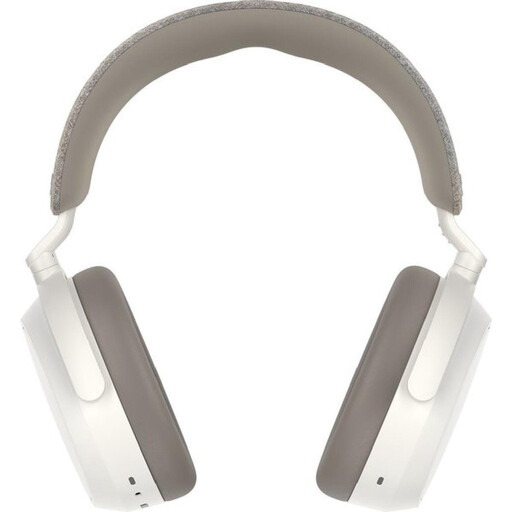
The product information lists wired use with a 3.5 mm cable; check that the connection suits your audio output.
Over-ear headphones; stated colour: white.
 No image available
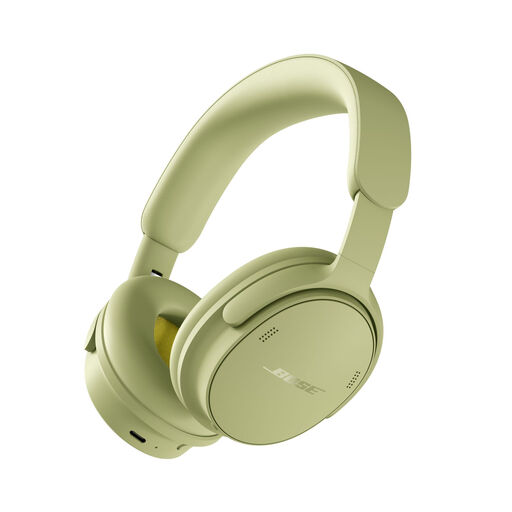
The wired USB connection is listed for lossless audio; check that USB suits your audio setup.
Stated variant: Eucalyptus Green.
 No image available
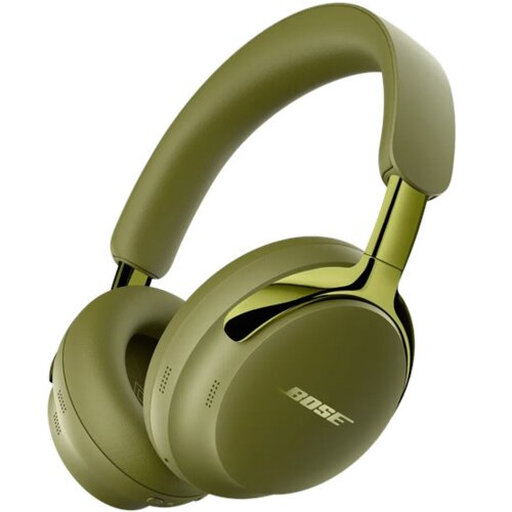
The stated detachable cable has USB-C and 3.5 mm connections; check which input your audio device uses.
Bluetooth; stated variant: Olive Green.
 No image available
The product information lists an audio cable for wired use, even without a battery; check the cable connection for your setup.
Closed-back over-ear headphones; stated colour: black.
 No image available
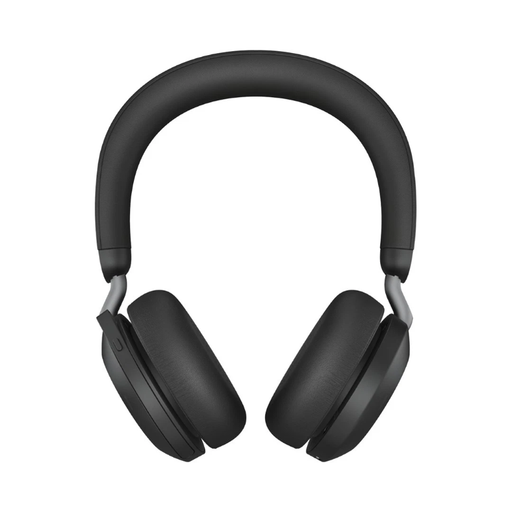
The supplied USB-C cable is intended for a wired connection; check that it will connect to your audio device.
Headset with an adjustable headband and ear cushions.
You can make mixing decisions without the effect of the room on speakers, but make sure you check the bass balance and how the mix translates on another playback system too. This is advice on working methods, not a guarantee of a particular result.
Not based on impedance alone. First check the specifications of your audio output and the plug, then test whether your own source gives you enough volume without turning the listening level up unnecessarily.
Keep both the volume and listening time down, and take breaks. The World Health Organization gives 80 dB for up to 40 hours a week as an example of safe listening; this isn’t a buying criterion and doesn’t mean your equipment’s volume setting will produce exactly 80 dB.
According to ACM ConsuWijzer, online consumer purchases generally come with a 14-day cooling-off period after delivery, subject to statutory exceptions. If a product is faulty, the seller is responsible for the statutory guarantee and an appropriate solution. Also check who the seller is and what practical return conditions apply.
No, not as standard. If maintenance matters to you, check whether parts are available for the exact model. Sonarworks requires a licence and support for the headphone model to use its calibration software.