If you’re mixing in a quiet room and sound leakage isn’t an issue, open-back wired headphones could suit you for assessing your jazz mix. A well-fitting closed-back pair is a better choice if you don’t want to disturb your housemates, need to reduce background noise or are recording with a microphone at the same time. Check the connection and fit, too, and listen to your mix on another playback device: the design alone won’t guarantee a good mix.
Who is this relevant to?
Mixing in a shared room
You want to assess your jazz demo while dealing with housemates or background noise. The design and sound leakage can both affect which type of headphones will work for you. Beyerdynamic and Audio-Technica explain that open-back headphones let in ambient noise and can leak sound to people nearby.
Mixing in a quiet room
You can listen without interruptions and want to assess things such as the placement of instruments. Open-back headphones are an option if sound leakage to others isn’t an issue, as beyerdynamic and Sennheiser also explain in their guidance on open-back designs.
A musician who also records
You might be recording an instrument or vocals with a microphone and want to stop sound from your headphones being picked up in the recording. Audio-Technica and RØDE describe this risk when monitoring and recording at the same time.
What should you look for when choosing?
Start by considering your room and whether you’ll be recording at the same time. Closed-back headphones are worth considering if there’s background noise or you’re using a microphone, while open-back headphones are best suited to a quiet room where sound leakage is acceptable.
| What to consider |
What should you check? |
Who should pay particular attention? |
| Isolation and sound leakage |
Compare open-back and closed-back designs, and check that the ear cushions fit snugly. |
If I’m mixing in a shared room, I want to hear less room noise and disturb others less. Around 36% of consumers say isolation in a shared room is their top priority. |
| Assessing the mix |
Listen in a quiet room with familiar music, and check your final mix on another playback device, too. |
In a quiet room, I want to be able to assess the balance and placement of instruments without interruptions. For around 29% of consumers, assessing a mix in a quiet setting comes first. |
| Recording with a microphone |
If you’re recording at the same time, choose a well-fitting closed-back pair and check a test recording for audible headphone sound. |
If I’m recording vocals or an instrument, I want to stop what I’m listening to from being picked up by the microphone. Around 21% of consumers put clean microphone recordings at the top of their buying priorities. |
| Fit and connection |
Check the output on your laptop or audio interface, the plug and any adapter. Also check whether the ear cushions are replaceable on the exact version you’re considering. |
For longer sessions, I want headphones that feel comfortable and connect to my equipment. For around 14% of consumers, long-term usability, connectivity and maintenance are the most important considerations. |
Common pitfalls
-
Using open-back headphones while recording with a microphone
Sound from open-back headphones can leak out and be picked up by a sensitive microphone.
In this situation, a well-fitting closed-back pair is usually the better choice. Check a test recording for audible monitoring sound.
-
Assuming the impedance rating guarantees enough volume
How well headphones work also depends on the headphone output on your laptop or audio interface. An impedance figure in ohms alone doesn’t confirm that the combination will deliver enough volume.
Check the exact version and, if possible, try it with the equipment you’ll be mixing on.
-
Thinking an additional warranty is your only protection if something goes wrong
A paid warranty or one offered by the manufacturer is separate from your statutory rights. ACM ConsuWijzer explains that your statutory guarantee exists alongside any seller’s warranty.
Read exactly what any additional warranty covers and keep its terms separate from your statutory rights.
Brands to consider
beyerdynamic
The closed-back DT 770 PRO 80 ohm is worth considering for monitoring in a shared room or while recording.
- According to beyerdynamic, this version has an impedance of 80 ohm and comes with a 3.5mm plug and a 6.35mm adapter.
- Check that you’re choosing the 80ohm version and that the connection suits your equipment. These specifications don’t automatically apply to every DT 770 variant.
Sennheiser
The open-back HD 560S could suit you for assessing a mix in a quiet room where sound leakage is acceptable.
- Sennheiser lists an open-back design and a 120-ohm transducer for the HD 560S.
- The open-back design means you’ll hear more of your surroundings, and people nearby may hear what you’re listening to. Claims about accuracy come from the manufacturer and aren’t based on an independent comparison.
AKG
The closed-back, foldable K371 could be worth considering if cable choice and maintenance matter at your compact workstation.
- AKG lists three detachable cables and replaceable ear cushions for the K371.
- The description of a neutral response is a claim made by AKG. Decide for yourself whether the fit and sound suit the way you work.
Audio-Technica
The wired ATH-M50x is worth comparing if a detachable cable is important for your workstation.
- Audio-Technica lists a detachable cable and passive isolation.
- The manufacturer’s description of the sound quality doesn’t prove that this model is better for mixing than another one.
Sony
Sony describes the MDR-7506 as headphones for recording and studio use.
- Sony lists a 3 m cable and a weight of 230 g for the MDR-7506.
- Check whether the cable length is practical at your desk. A description of comfort doesn’t guarantee that the fit will feel comfortable to you.
Products for wired listening
According to the product information, these Joybuy picks offer a wired listening option. Check that the connection and fit suit your equipment and mixing sessions. This alone doesn’t mean a model is suitable as a studio reference headphone.
 No image available
Sennheiser MOMENTUM 4 Wireless, black
Worth considering if you also want to listen using a wired connection. Check that the cable and connection suit your audio output.
The product information lists an included 3.5mm audio cable and passive use without a battery. The model name also mentions Bluetooth and active noise cancellation.
Joybuy
 No image available
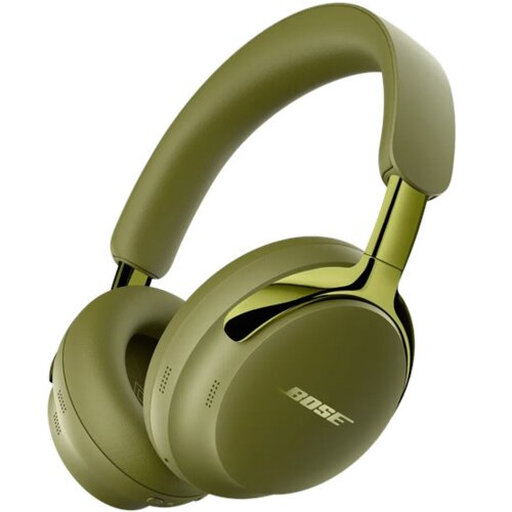
Bose QuietComfort Ultra Headphones (2nd Gen), olive green
Consider this version if you’re looking for a wired listening option, and check in advance which connection your equipment requires.
The product information lists Bluetooth 5.4 and a detachable cable with USB-C and 3.5mm connections, as well as active noise cancellation.
Joybuy
 No image available
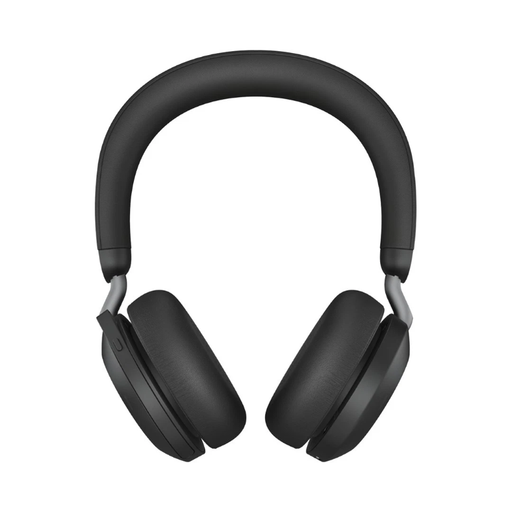
Jabra Evolve2 75 headset
Worth considering if you need a wired connection to a computer. Check that your equipment has a USB-C port.
The product information lists Bluetooth 5.2 and a USB-C cable for wired use, as well as an adjustable headband and padded ear cups.
Joybuy
Frequently asked questions
Can I use the same headphones for mixing and recording vocals at the same time?
Yes, but if there’s a microphone in the same room, a well-fitting pair of closed-back headphones is a sensible first choice to reduce sound leakage. Check the recording for audible monitoring sound; the design won’t rule it out completely.
Which plug do I need for my laptop or audio interface?
First check the headphone output on your device, then compare it with the plug and adapter supplied with the exact version you’re considering. For example, the beyerdynamic DT 770 PRO 80 ohm is listed with a 3.5mm plug and a 6.35mm adapter. This doesn’t tell you which output your device has.
How can you use and maintain headphones during long mixing sessions?
Keep the listening volume low enough and take regular breaks. The World Health Organization gives 80 dB for a maximum of 40 hours a week as an example of safe listening, not as a measured level for your setup. Also check which parts of your model can be replaced; AKG lists replaceable ear cushions for the K371.
What if the fit isn’t right after buying online, or the product develops a fault too soon?
For an online consumer purchase in the Netherlands, you’ll generally have a statutory cooling-off period of up to 14 days after delivery, subject to legal exceptions, as ACM ConsuWijzer explains. A faulty product is also covered by the statutory guarantee: the seller must offer a solution under the applicable conditions. A manufacturer’s warranty doesn’t replace this statutory right.


