If you mainly mix in a quiet room without a vocal microphone, start by comparing open-back, wired studio headphones. If you also record vocals or regularly hear background noise, compare closed-back models. Check that they remain comfortable to wear and that the connection is compatible with your audio interface. Then assess the balance of your backing vocals on a second playback system. A bright window won’t determine your choice on its own, but prolonged exposure to direct sunlight can make ear pad care more important.
Which headphones are right for you?
Mixing in a quiet home studio
If you’re assessing vocal layers and their placement without using a microphone at the same time, open-back studio headphones are worth comparing. Check the mix balance on another playback system too; Sonarworks points out that a balance that sounds right on headphones may come across differently on speakers.
Mixing and recording vocals
If you record vocals using the same setup or regularly hear noise from outside, compare closed-back models. According to RTINGS, closed-back headphones can reduce sound leakage into a microphone and help keep background noise out, but they don’t guarantee silence.
Mixing for long sessions
If you wear your headphones for long periods, consider the fit and whether the ear pads are replaceable. Manufacturers explain that wear can affect the seal around your ears and the sound, while prolonged exposure to sunlight can damage the foam.
What should you look for when choosing?
First decide whether you’ll be recording at the same time or are bothered by background noise. Then compare fit, connection and how the vocal balance sounds on other playback systems.
| What to consider |
What should you check? |
Who is this important for? |
| Vocal harmony balance |
Compare open-back models and check your mix on a second playback system too. |
If I mainly want to assess the balance and placement of vocal layers, how the mix sounds is my first concern. Around 36% of consumers put this first. |
| Isolation and sound leakage |
Decide whether you’ll be recording vocals or regularly hear background noise. If so, compare closed-back models. |
If I can hear outside noise or am recording vocals, I want less disruption and less sound leaking into the microphone. Around 29% of consumers say isolation is their main concern. |
| Fit and ear pads |
Assess the fit during a longer session and check whether model-specific replacement pads are available. |
If I’m mixing for a long time, I want comfortable headphones with replaceable worn pads. Around 21% of consumers prioritise long-wearing comfort. |
| Connection and cable |
Compare the plug and any adapter with your interface’s output. Also check whether the cable is detachable. |
For my existing setup, I want a compatible connection and to know whether I can replace the cable separately. Around 14% of consumers prioritise connectivity and ease of maintenance. |
Common buying mistakes
-
Choosing an open-back model when you also record vocals
Open-back headphones let sound escape. During recording, it can get picked up by the microphone.
Choose a closed-back model if you also want to record, or keep mixing and recording as separate tasks.
If headphone sound gets into a recording, you may need to record the take again.
-
Using headphones as your only way to check a mix
The balance of backing vocals you hear on headphones may sound different on speakers or in the car.
Listen to the same passage on another playback system before finalising your mix.
-
Assuming impedance variants are identical
The beyerdynamic DT 770 PRO is available in 32, 80 and 250 ohm versions. The variant therefore matters when matching the headphones to your equipment.
Check the full model name and compare the specifications with your audio interface’s output.
-
Forgetting about ear pads beside a sunny window
Prolonged exposure to sunlight can damage the foam, while worn pads can affect the seal around your ears and the sound.
Keep your headphones out of prolonged direct sunlight and check whether suitable replacement pads are available for the model.
Brands to compare
Sennheiser
The open-back HD 490 PRO and closed-back HD 480 PRO offer different designs to compare for mixing, monitoring and recording.
- Sennheiser says the HD 490 PRO comes with two sets of interchangeable ear pads and a detachable cable.
- The open-back design doesn’t provide the isolation of a closed-back model.
beyerdynamic
The open-back DT 900 PRO X and closed-back DT 770 PRO suit different recording and mixing conditions.
- According to beyerdynamic, the DT 900 PRO X has a detachable cable and a nominal impedance of 48 ohms.
- The DT 770 PRO comes in several impedance variants; check that you’re looking at the 80-ohm version if that’s the one you want.
Audio-Technica
The open-back ATH-R70x is worth comparing if you’re looking for an open design for longer mixing sessions.
- Audio-Technica lists a weight of 210 g without the cable and an impedance of 470 ohms.
- Check how it works with your own headphone output; weight alone says nothing about electrical compatibility.
Sony
The closed-back MDR-7506 is worth comparing for monitoring and recording if an open-back design isn’t suitable.
- Sony Netherlands lists a 3 m cable and a weight of 230 g for the MDR-7506.
- These specifications don’t show that this model reproduces vocal harmonies better than open-back studio headphones.
Joybuy products
These Joybuy products are headphones and a headset for listening and communication. They’re not specifically described as studio headphones for mixing vocal harmonies, so don’t assume they’re a substitute for wired studio headphones without checking further.
 No image available
Sennheiser MOMENTUM 4 Wireless, Black
The product description mentions noise cancellation and Bluetooth for listening; check separately whether they suit your wired studio setup.
The title lists a 60-hour battery life and an included 3.5 mm audio cable.
Joybuy
 No image available
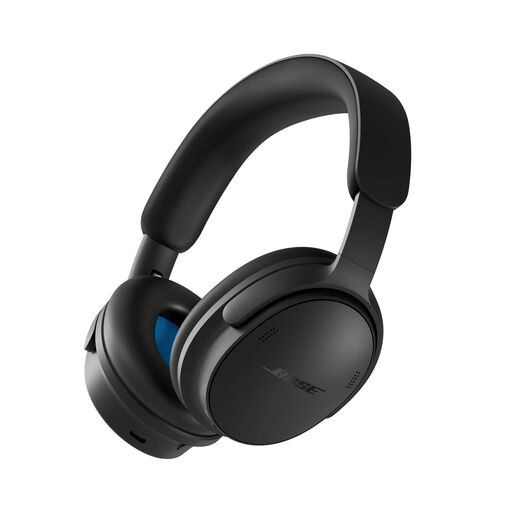
Bose QuietComfort Headphones (2nd Gen), Black
The product description mentions noise cancellation; before using them for studio work, check that the connection and functionality are compatible with your interface.
The description mentions lossless audio via USB and a 3.5 mm to USB-C audio cable.
Joybuy
 No image available
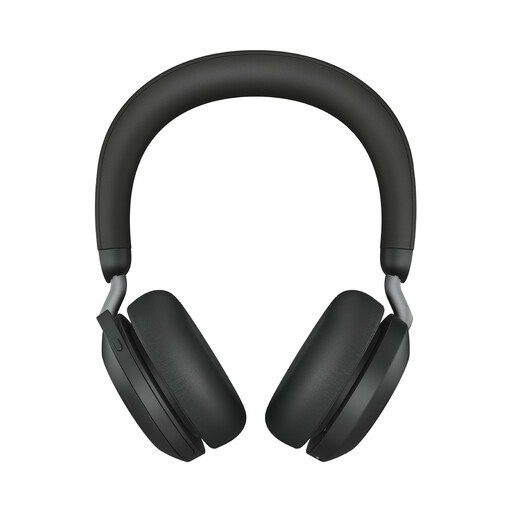
Jabra Evolve2 75, USB-A MS Teams, Black
This model is described as a wireless headset for audio and communication; check whether it suits your mixing setup.
The description mentions Bluetooth and adjustable active noise cancellation.
Joybuy
Frequently asked questions
Are open-back headphones a good choice if you also record vocals?
For recording with an active vocal microphone, closed-back headphones are generally a more sensible option to compare, as they leak less sound into the microphone. If you only mix in a quiet room, open-back headphones are also worth considering.
How can you protect your ear pads if you work beside a sunny window?
Keep your headphones out of prolonged direct sunlight and check that the pads still fit snugly. Manufacturers explain that sunlight and wear can damage the material, and that a change in fit can affect the sound.
What should you check when connecting to your audio interface?
Compare your interface’s output with the specified plug and any included adapter. Check the cable type too: a detachable cable from one model won’t necessarily fit another.
How can you stop your vocal mix from sounding good only on headphones?
Listen to the same passage on another playback system before finalising your mix. Sonarworks notes that a backing vocal balance that sounds right on headphones may come across differently on speakers or in the car.
How can you keep the volume at a sensible level during long mixing sessions?
Keep the playback volume moderate and use a volume limiter if one is available. Thuisarts advises against setting the volume too high; there’s no single volume setting that works for every interface and headphone combination.


