What should you look for when choosing?
When tutoring online from the kitchen table, key considerations include the connection, speech clarity, comfort and freedom to move. Decide which of these matters most for your lessons, then test the headset in your own space.
| What to consider |
What should you check? |
Who is this important for? |
| Clear speech |
Check the microphone position and make a test recording or call where you’ll be teaching. |
If I’m explaining something while there’s noise in the house, I want to know how my voice comes across in the lesson app. Around 36% of consumers say clear speech is their top priority. |
| Connection and muting |
Compare the plug with the port on your device and check where the mute control is. |
For a permanent laptop setup, I want to connect my headset and mute it quickly without interrupting my explanation. For around 29% of consumers, connection and controls come first. |
| Comfort |
Look at the headset style and adjustability, and assess how comfortable it feels during a session similar in length to your usual lesson. |
If I teach for a long time without a break, I want to know whether the headband and ear cushions feel comfortable. Comfort is the top priority for around 21% of consumers. |
| Freedom to move |
If you get up while teaching, compare the available cable length with Bluetooth, and check talk time and connectivity if you opt for a wireless model. |
When I step away from the table during a tutorial or switch between devices, I don’t want to be restricted by an audio cable. Around 14% of consumers prioritise freedom of movement. |
Products for online tutoring
This selection includes wired headsets and earphones, as well as wireless over-ear and in-ear models. Check that the style, connection and microphone suit your teaching device and how you teach.
 Image unavailable
Trust GXT 498W Forta wired gaming headset, white
A wired headset to consider if your device has a compatible 3.5mm port.
The product name lists a flexible, detachable microphone, on-earcup controls, over-ear cushions and 50 mm drivers. Check the connection on your teaching device.
Joybuy
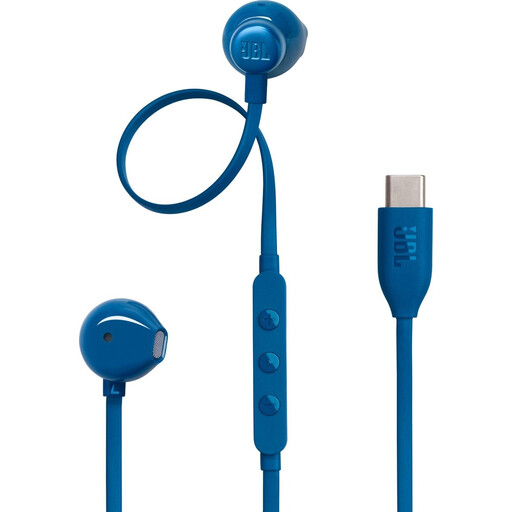 Image unavailable
JBL Tune 305C wired USB-C earphones, blue
Could be suitable if you’re looking for a wired option for a device with USB-C. Check that the earphones fit comfortably for the length of your lesson.
The product name lists a wired USB-C connection and a built-in microphone for calls.
Joybuy
 Image unavailable
Sennheiser MOMENTUM 4 Wireless over-ear headphones, black
A wireless over-ear option to compare if you want room to move while teaching. Test the Bluetooth microphone in your lesson app beforehand.
The product name lists noise cancellation, four microphones and a stated battery life of 60 hours. The product description also mentions an included 3.5mm audio cable for wired listening.
Joybuy
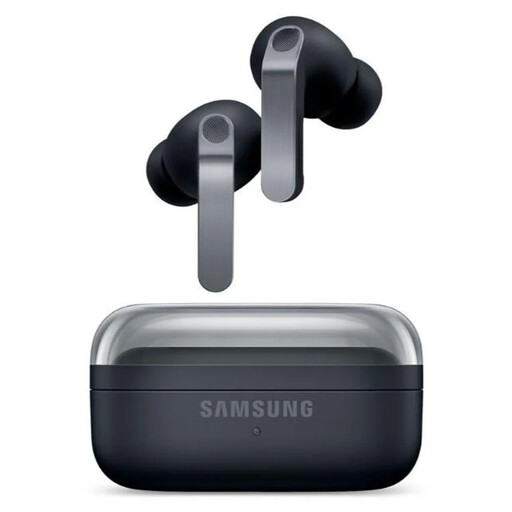 Image unavailable
Samsung Galaxy Buds4 Pro wireless in-ear earphones, black
Could be suitable if you’re looking for wireless in-ear earphones for calls. Check beforehand that the microphone selection and connection work with your teaching device.
The product name lists True Wireless and active noise cancellation. The product description mentions charging via USB-C or wirelessly.
Joybuy
 Image unavailable
Jabra Evolve2 30 SE headset
An option for a permanent computer setup if the connection on the version on offer is compatible with your device.
Check the exact connection, controls and fit of the version before choosing it for online tutoring.
Joybuy
Frequently asked questions
Does a noise-cancelling microphone also block out noise you can hear yourself?
Not necessarily. A claim about the sound picked up by the microphone doesn’t automatically tell you what you’ll hear through the ear cushions. Test how clearly your voice comes across with the kinds of noise you get in your teaching space, and assess the headset style separately.
How can you check your headset before your tutorial starts?
Select the intended microphone and speaker in your lesson app, then make a test call. In Teams, you can test your audio settings; Zoom offers a speaker and microphone test. Also check that the physical mute control isn’t switched on.
What should you check when using a wireless headset for a lesson?
Before your lesson, check the battery level, Bluetooth connection and selected microphone. Logitech states that the Zone 300 offers up to 16 hours of talk time after a full charge; this is a stated maximum, not a guarantee for your use. Tidy away a wired cable so you won’t pull on it at the table.
What if a headset you bought online isn’t suitable or stops working?
For an eligible online consumer purchase in the Netherlands, you’ll generally have a 14-day cooling-off period; check the terms of your specific purchase. This is separate from your right to a product that meets legal standards. According to the Dutch government, statutory warranty in the Netherlands has no fixed two-year period; if a product is faulty, you can contact the seller.
What should you consider if you record an online lesson?
A headset alone doesn’t determine whether recording is permitted in your situation. The Dutch Data Protection Authority highlights privacy policies for online lessons, including arrangements for recordings, informing those involved and storing recordings.


