
Vandaag of morgen in huis

Kwaliteit gegarandeerd

Welkomstaanbiedingen ontgrendelen: GRATIS bezorging | Tot 80% korting | Gratis 30 dagen JoyPlus-proefperiode
Download de app
The Korean kitchen is more popular than ever in the Netherlands. From the savory flavor of bulgogi to the unmistakable kick of kimchi, more and more people want to experience these tastes at home. An online Korean supermarket seems like the ideal solution, but the selection can be overwhelming, and not all products live up to their promises.
Before you fill your digital shopping cart, it's wise to know what to look for. Many shoppers fall into a few common pitfalls, ending up with products that are disappointing or unnecessarily expensive.
By knowing what to watch out for, you can avoid these issues and confidently do your Korean grocery shopping online.
To be sure of your purchase, you can look for a few specific characteristics. These will help you see through the marketing and choose a product that meets your expectations.
A product from a well-known Korean brand like Bibigo or Jongga often offers a certain degree of reliability. Still, it's smart to check where the product was actually produced.
A quick glance at the ingredient list can reveal a lot. Authentic Korean flavors come from a few basic ingredients. Look for the presence of:
If you see generic terms like "chili extract" or a long list of flavor enhancers instead, chances are the taste will be less complex and authentic.
The type of product has direct consequences for shelf life and shipping.
To help you get started, we've highlighted some popular choices and matched them to different needs.
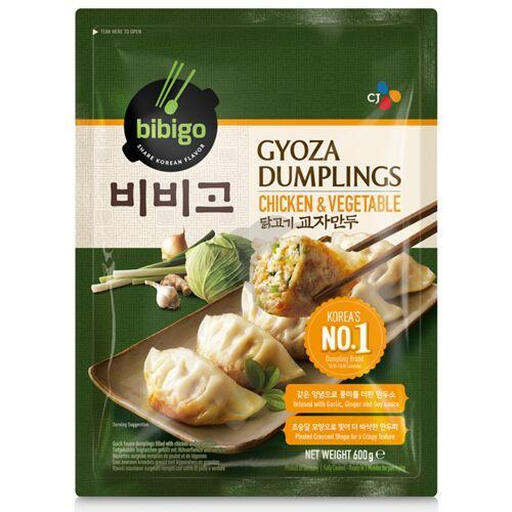
Why This Fits Their Persona: Ideal for those who are short on time but still want to put a flavorful Korean meal on the table. These mandu (Korean dumplings) are ready in minutes and can be prepared in various ways.
Bibigo is a premium brand known for its consistent quality. You get a reliable flavor that doesn't stray too far from the original, thus avoiding the 'authentic trap'.
Quick and versatile: pan-fry, steam, or add to soup. The chicken and vegetable filling is accessible and flavorful.
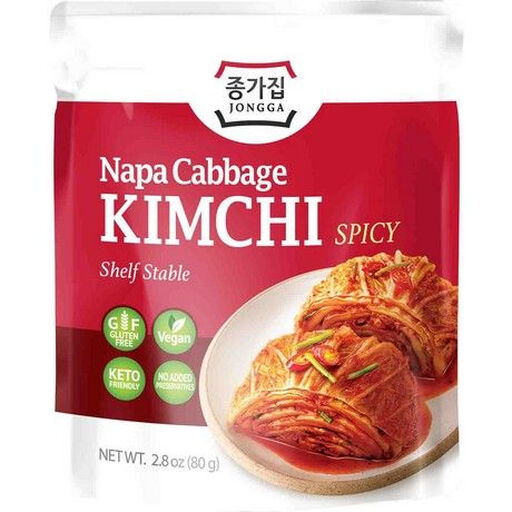
Why This Fits Their Persona: For those seeking the real, deep, and complex flavor of fermented kimchi. Jongga is the best-selling kimchi brand in Korea, which is an indicator of its authentic taste.
This is not a 'kimchi-style' product, but real, fermented kimchi. The ingredient list is clear and focused on the traditional fermentation process, helping you avoid the 'made-in-Europe' flavor profile.
Made with a focus on natural fermentation. The convenient 80g packaging is perfect for a single serving or for trying the product.
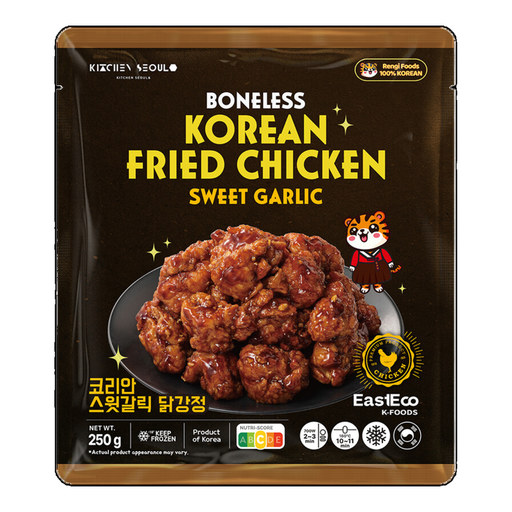
Why This Fits Their Persona: For anyone who wants to recreate the popular Korean fried chicken experience at home without the hassle. This frozen product is pre-cooked and sauced, ready for the air fryer or oven.
This product manages expectations well: it's a frozen product for home use. The product information is clear about the contents and preparation, which bypasses the pitfall of unclear ingredients and cooking methods.
Convenience and speed. The chicken is tender, and the sweet garlic sauce is a popular, accessible flavor variation.
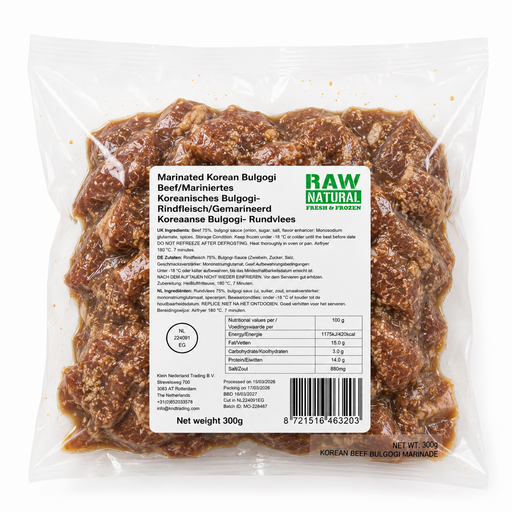
Why This Fits Their Persona: Perfect for those who want to prepare an authentic bulgogi themselves but don't want to buy all the ingredients for the marinade. The meat is already marinated, so the hardest part is already done.
This product removes the uncertainty of marinating from scratch. You don't have to decipher complex ingredient lists or guess the right proportions. The result is a predictable, balanced bulgogi flavor.
Saves time and effort. All you have to do is cook the meat, perhaps with some extra vegetables, for a complete meal.
We've compiled a complete, up-to-date list of products that meet these selection criteria and comply with current regulations.
An opened jar of kimchi can last for several weeks to months in the refrigerator. The flavor will continue to develop, becoming more sour and intense over time. Make sure the kimchi remains submerged in its liquid and always use clean utensils to take out a portion.
The level of spiciness varies greatly by product. Dishes with 'spicy' or 'hot' in the name are generally indeed spicy. Products like bulgogi or gyoza with vegetables are often mild and sweet-savory. Read the product description carefully; the flavor is often described as 'sweet & spicy' or 'soy & garlic' to give an indication.
Although they look similar, there are small differences. Mandu is the Korean term for dumplings, and the filling is often a mix of meat, tofu, vegetables, and glass noodles. The dough can be slightly thicker. Gyoza is the Japanese variant, which often has a thinner wrapper and is typically pan-fried and then steamed. The filling usually consists of pork and cabbage. In practice, the terms are sometimes used interchangeably for similar products.
