If you teach from a single computer, a wired headset with a suitable USB connection, an adjustable microphone and easy-to-reach mute controls is a practical choice. A wireless headset is a better fit if you want to move around during lessons and your computer supports the connection. Also check that you can hear your students comfortably and that the headset fits you well. A headset won’t fix backlighting: adjust your camera, window and lighting separately.
Who is this guide for?
Teacher who does most of the talking
Teaches one-to-one or small-group online conversation classes and looks for an adjustable microphone, mute controls and a connection that works with their teaching computer. Lenovo Netherlands highlights microphone performance and connectivity as important considerations for online learning.
Teacher with long sessions
Wants to hear students clearly, so considers fit and wearing style as well as the microphone. Lenovo Netherlands and EPOS both highlight comfort and headset features as relevant factors when choosing.
Teacher who moves around the room
Wants to step away from the desk while teaching and weighs freedom of movement against pairing and charging. Logitech describes the Zone 300 as a wireless alternative; check that it works with your computer.
What should you look for?
Wired USB headset
Best for: teaching from a single computer when you don’t want to manage wireless pairing or a battery.
Consider: the cable limits how far you can move from your workspace.
Wireless headset
Best for: teaching while moving between your computer and another spot in the room, provided your computer supports the connection.
Consider: you’ll need to manage the connection and charging.
| What matters |
What to look for |
Who is this most important to? |
| Making your voice easy to understand |
Check the microphone boom and mute controls; make a test recording in your lesson app. |
When I teach conversation classes, I want my words to come across clearly and to be able to mute the microphone quickly. Around 36% of consumers put clear speech first. |
| Hearing responses and wearing comfort |
Compare stereo with a single-ear headset, and look at adjustability and fit. |
For longer lessons, I want to hear responses clearly without the headset becoming uncomfortable. Around 29% of consumers put listening and wearing comfort first. |
| Connection and controls |
Check your USB port, the full model specification and how the controls work in your lesson app. |
When I teach from a fixed computer, I want the headset to connect straight away and to be able to select the microphone and sound in my lesson app. Around 21% of consumers put compatibility first. |
| Freedom of movement |
Check that your computer supports the wireless connection and test the range in the places where you teach. |
When I want to step away from my desk during a lesson, freedom of movement matters more than having a cable. Around 14% of consumers put freedom of movement first. |
Common buying mistakes
-
Confusing microphone noise cancellation with a better camera image
A headset won’t change backlighting. You may sound clear but still be difficult to see if the window is behind you.
Check the camera image from where you plan to sit before finalising your set-up. Zoom notes that a window behind the speaker can cause backlighting; assess the headset separately for audio.
-
Assuming every version in a product range is identical
Connections, adapters, wearing styles and controls can vary between versions. A plug that doesn’t fit your computer makes connecting the headset more difficult.
Check the full model details and what’s included in the box against your computer’s ports and the lesson app you use.
-
Choosing a personal headset to record several people
The microphone booms described are designed to pick up the wearer’s voice. That doesn’t necessarily mean someone else at the table will be easy to hear.
Decide who needs to be heard online and test other seating positions. If necessary, compare a set-up with a shared microphone.
-
Mistaking a manufacturer’s warranty for the full legal guarantee
An extra manufacturer’s or seller’s warranty doesn’t automatically replace your legal rights. ACM ConsuWijzer explains that the seller is responsible for providing a solution if a product is faulty.
Check your legal rights first, then see what any additional warranty terms offer.
Brands to consider
Logitech
The H390 is a wired option for a fixed USB teaching set-up; the Zone 300 is a wireless alternative to compare.
- Logitech describes the H390 as having an adjustable microphone, in-line controls and USB versions. Check which plug is right for your computer.
- The Zone 300 needs a compatible wireless connection and charging. These product descriptions aren’t an independent comparison of call quality.
HP Poly
The Blackwire range includes wired headsets. The 3320 8X220AA is a documented version with a USB-C cable and a bundled USB-A adapter.
- HP lists a flexible microphone boom, stereo wearing style, and mute and volume controls for the 8X220AA.
- Features can vary between Blackwire versions, so check the full model details and connection.
Trust
The Ayda USB-ENC is a wired on-ear option to compare if on-earcup controls matter to you.
- Trust describes the Ayda USB-ENC as having a noise-cancelling microphone that mutes when you flip it up.
- This doesn’t independently establish how much background noise will be reduced in your teaching space. Don’t confuse this USB-ENC version with other Ayda models.
Jabra
The Evolve2 30 SE is a wired headset for calls to compare if the microphone set-up and platform version matter to you.
- Jabra describes a two-microphone system and lists a separate version optimised for Teams.
- These are manufacturer descriptions. Check the full version and USB connection before buying.
EPOS
The IMPACT SC 60 USB ML is a wired headset to compare for calls from a PC.
- EPOS’s specification sheet lists USB connectivity for a PC, a noise-cancelling microphone and in-line controls for this version.
- These features don’t demonstrate an independently verified advantage in a teaching space.
Headsets on Joybuy
This selection includes wired USB headsets for a fixed teaching set-up and a wireless headset for anyone who wants to move around during lessons.
 No image available
Logitech PC 960 USB headset
A wired option for teaching from a fixed computer, with an adjustable microphone boom and in-line controls.
Product information lists USB, stereo audio and a mute indicator.
View at Joybuy
 No image available
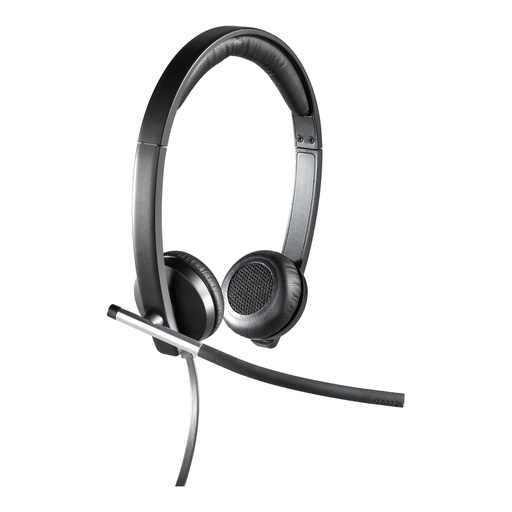
Logitech H650e Stereo Wired
A wired stereo headset to compare for calls from a computer.
Product information lists a microphone, USB connection and in-line volume control.
View at Joybuy
 No image available
Logitech H340 USB headset, black, wired
A wired headset for online calls from a computer, with an adjustable microphone.
Product information lists USB, stereo audio and an adjustable headband.
View at Joybuy
 No image available
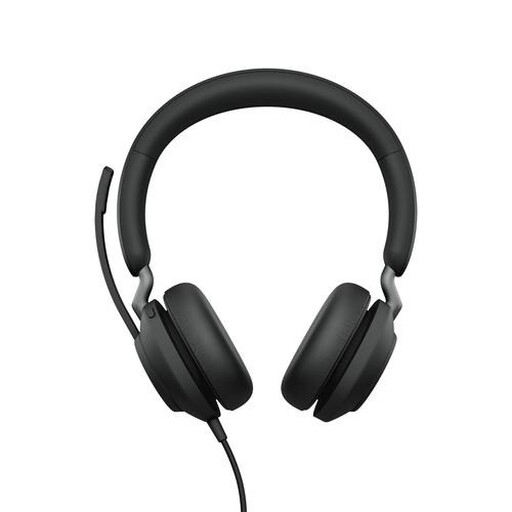
Jabra Evolve2 65 USB-A Black MS Mono
A wireless mono option for anyone who wants to move around during lessons while keeping one ear free.
Product information lists Bluetooth 5.0 and a USB-A Bluetooth adapter. Wireless use means you’ll need to charge it.
View at Joybuy
 No image available
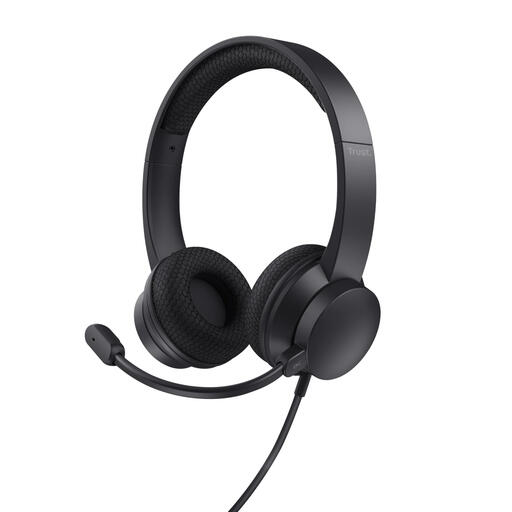
Trust Ayda wired headset, USB Type-A, black
A wired option for a fixed teaching set-up, with on-earcup controls and a microphone that flips up to mute.
Product information lists a USB-A connection and a USB-C adapter. Trust describes the microphone as noise-cancelling; test the results in your own space.
View at Joybuy
Frequently asked questions
Will a headset help with a bright window in your video?
No, a headset won’t correct backlighting. Zoom notes that a window behind you can cause backlighting; check the camera image and adjust the lighting separately.
How do you set up your headset before your first conversation lesson?
Connect the right USB version to a compatible port, select the headset as your microphone and speaker in your lesson app, then test a call and the mute button. Microsoft describes separate microphone and camera settings in Teams; controls vary between apps.
What can you do if you can’t hear clearly through your headset during a lesson?
First, check the selected output device and volume in your lesson app and on the headset. Also check that the headset fits properly, and set the volume to a level that feels comfortable. Care and replacement depend on the model.
Are you always entitled to exactly two years’ warranty on a headset bought online in the Netherlands?
No. According to ACM ConsuWijzer, the legal guarantee depends on how long you could reasonably expect the product to work properly. If a product is faulty, the seller is responsible for providing a solution. A manufacturer’s warranty period isn’t the same as the full duration of your legal rights.
Can you record an online conversation lesson without asking?
Don’t assume that you can. For schools and universities, the Dutch Data Protection Authority recommends having a policy and clear instructions on making, keeping and deleting recordings, and informing pupils or students. Whether a particular recording is permitted depends on its purpose and the circumstances.


