
Vandaag of morgen in huis

Kwaliteit gegarandeerd

Welkomstaanbiedingen ontgrendelen: GRATIS bezorging | Tot 80% korting | Gratis 30 dagen JoyPlus-proefperiode
Download de app
Getting the authentic flavours of Asia delivered to your door has never been easier. An online Asian supermarket offers convenience, but the vast selection can also be overwhelming. How can you be sure you're buying quality products and not frozen foods that will disappoint after cooking?
Many consumers fall into the same traps. Think of packaging that promises a generous filling but, in reality, consists mostly of dough. Or ingredient lists packed with flavour enhancers and few authentic components. Another common issue is texture: frozen products that turn soft and mushy after thawing or cooking. This guide will help you avoid these disappointments and make choices you'll truly enjoy.
To make a great purchase, it helps to know what to look for. Three factors are often decisive for the quality of frozen Asian foods.
A common complaint when buying Chinese dumplings is the skimpy filling. A good indicator of quality is the percentage of the main ingredients. Manufacturers who are proud of their product often feature the percentage of meat, shrimp, or vegetables prominently in the description. A product with 30% or more filling is typically a solid choice. So, look beyond the pretty picture on the box and check the specifications.
An authentic taste comes from quality ingredients, not an excess of artificial additives. When choosing products like Korean mandu or a base for wonton soup, pay attention to the following points:
The texture of frozen dim sum and other frozen Asian meals heavily depends on the freezing method. Products that are quickly and individually frozen (often indicated as IQF - Individually Quick Frozen) retain their structure and flavour much better. This prevents the items from sticking together and ensures that a dumpling, for example, maintains its 'bite' after steaming or frying. Products that are slowly frozen into a solid block are more likely to become soft after cooking.
Not everyone is looking for the same thing in an online Asian market. Here are a few suggestions tailored to different needs.
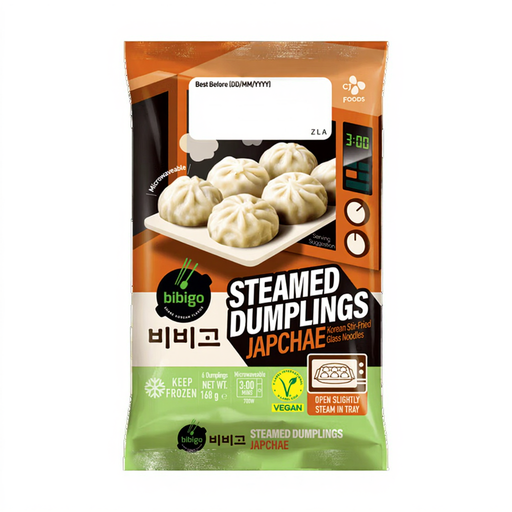
Why This Fits Their Persona: For those who are short on time but still want a flavourful, complete meal. This dish combines Korean mandu with japchae (sweet potato noodles) and is ready in minutes. Ideal for a quick lunch or a simple dinner after a long day at work.
This isn't a generic frozen meal. It combines two specific, authentic Korean dishes in one package, with a clear description of its components.
A complete meal that includes both dumplings and noodles. According to the manufacturer, bibigo, the dish is carefully prepared for an authentic taste.
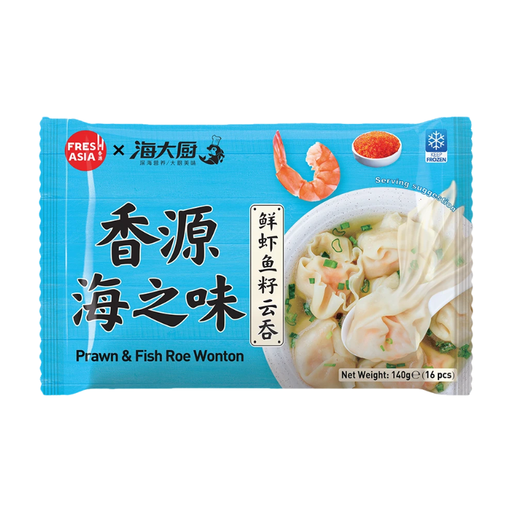
Why This Fits Their Persona: For the connoisseur seeking a refined flavour you would normally find in a restaurant. These wontons are filled with a specific combination of prawn and flying fish roe, creating a layered umami flavour and an interesting texture.
The filling isn't just a generic 'seafood mix'. The product information specifies the percentages: ≥19% prawn and ≥4.3% flying fish roe. This is a clear sign of quality and transparency.
Comes with a separate soup seasoning packet (including dried shrimp and seaweed) to effortlessly create a complete and flavourful wonton soup.
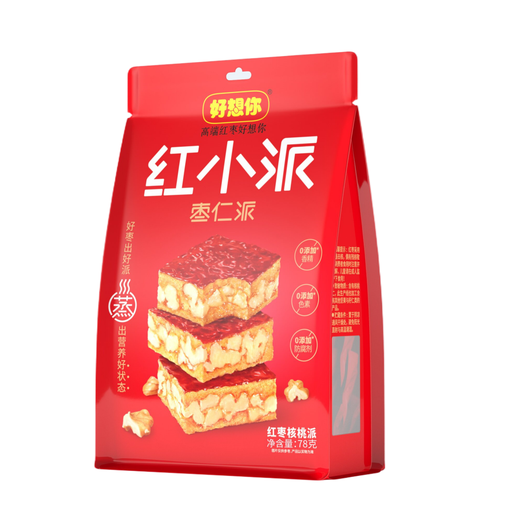
Why This Fits Their Persona: Perfect for those looking for unique Asian snacks that are ready-to-eat. These 'pies' combine the sweetness of red dates with the crunchy texture of walnuts. A traditional snack you won't find in a regular supermarket.
The ingredient list is clear and shows a high content of real ingredients: 60% red dates and 20% walnuts. This is not a product padded out with sugar and artificial flavourings.
Individually wrapped, keeping them fresh and making them easy to take on the go. The snack is baked, not fried.
Beyond savoury meals and dumplings, there is a growing interest in Asian pastries and sweets. Think of the well-known Chinese pancakes with scallions or red bean paste, but also refined cakes and cookies. These products, such as the TCT Radish Pie or the Daoxiangcun Peanut Cake, offer a unique taste experience that is perfect for dessert or with tea.
We have curated a complete, up-to-date list of products that fully meet these strict selection criteria and current regulations.
Store all frozen products immediately upon receipt in a freezer at -18°C (0°F) or colder. Only open the packaging when you are ready to prepare the product. It is important not to refreeze thawed products, as this will negatively affect their texture and flavour.
Yes, many types of dumplings, mandu, and pancakes are excellent when cooked in an air fryer. The result is often extra crispy. Lightly spray the products with oil and cook them at approximately 180°C (350°F) for 8-12 minutes, depending on their size and type. Shake the basket halfway through. Always consult the packaging for specific instructions.
Although they seem similar, there are subtle differences.
