
Vandaag of morgen in huis

Kwaliteit gegarandeerd

Welkomstaanbiedingen ontgrendelen: GRATIS bezorging | Tot 80% korting | Gratis 30 dagen JoyPlus-proefperiode
Download de app
Fancy some onion snacks, but not sure whether to choose onion rings, onion crisps, onion biscuits or spicy Asian snacks? Packaging often makes big claims about flavour, but the practical differences usually come down to portion size, allergens, salt and storage. A few simple checks can help you avoid paying too much for a small bag or buying a snack that’s wrong for the occasion.
A 400-gram bag may seem better value than individual portions, but check how the snack is packaged, too. Individual bags are handy for school, work or when you’re out and about, while a large opened bag can go soft more quickly. Compare the price per 100 grams and think about how much you’ll actually use at a time.
The onion flavour may come from onion powder, flavourings, fried onions or a combination of these. Check the ingredients list if you’re looking for a more pronounced onion taste. For example, Modern China Tea Shop Crispy Rings lists a minimum onion content of 12.5%. Other products focus more on spices, soya sauce powder or flavourings.
Many crispy snacks contain flour, oil or potato starch. The nutritional information on the packaging gives you a fair basis for comparison. According to the product information, Oishi Onion Rings Original Flavour contain 493 kcal and 2.12 grams of salt per 100 grams. That makes them a savoury treat, but not necessarily a light snack. Also check for allergens such as gluten, soya, milk and celery.
For snacks to take with you, packs of 30 to 80 grams are practical. A 40-gram pack fits easily into a bag and means you don’t have to open a larger one. Packs of 125 to 400 grams are more convenient for a film night or sharing.
Individual packaging can also help you keep portions in check. Sanniu Evergreen Onion Flavour Biscuits come in a 400-gram pack with 20 individually wrapped portions. They’re a handy choice when several people want their own portion.
Most onion rings, crispy onion snacks and onion biscuits are ready to eat. Still, check the label. Fried onions, for example, are usually intended as a topping for noodles, rice, soup or salad, rather than just as a snack to eat by hand.
To keep snacks crunchy, store opened packs in a cool, dry place and seal them properly. Moisture makes them lose their crisp texture more quickly.
Before buying, check:
Information on a web page can change. When your product arrives, check the packaging and follow the latest ingredients list, allergen information and preparation instructions.
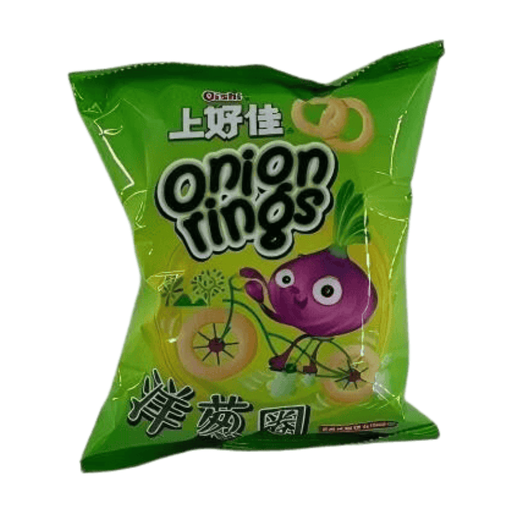
Why it suits this profile: The small pack is easy on the budget and a good way to try a classic onion ring with onion and soya sauce flavour.
The net weight of 40 grams makes the portion size clear, so you don’t have to buy a large bag before you know whether you like the flavour.
Ready to eat, with a crispy ring shape and compact packaging. Contains wheat and soya; check the label if you have allergies.
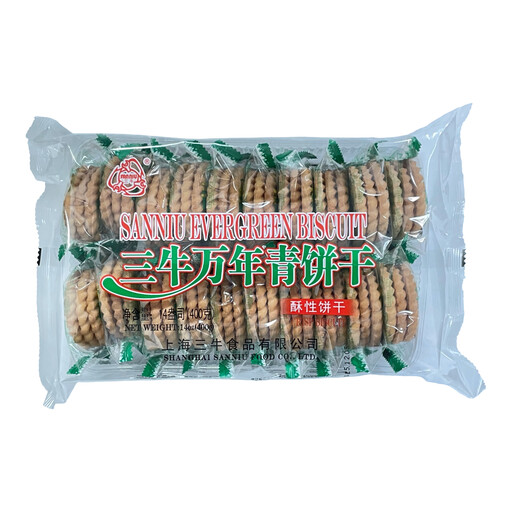
Why it suits this profile: If you like to keep snacks stocked at home, you get 20 individually wrapped portions to enjoy with tea or coffee, during a break at work or when you have visitors.
The portions stay individually sealed, so you don’t have to open the whole pack each time and they’re easier to store.
400 grams in total, split into 20 individual packs and ready to eat. Contains wheat/gluten; the salt content is listed as 1.1 grams per 100 grams.
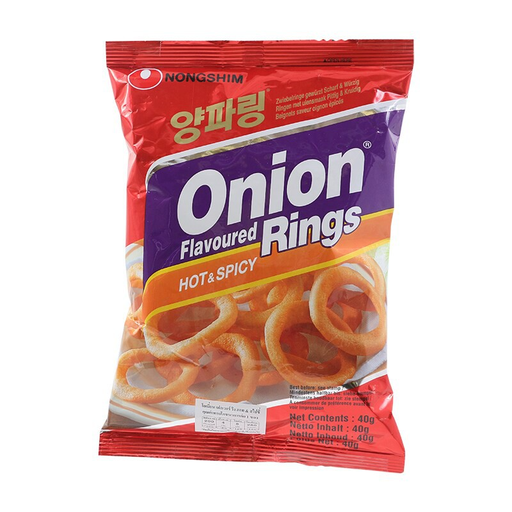
Why it suits this profile: This compact option is made for fans of spicy onion snacks and Korean or Chinese snacks, whether you’re having a film night or heading out.
The “Hot & Spicy” label gives you a clearer idea of the flavour than a general onion flavour description. The small pack lets you try a single portion first.
40 grams, ready to eat, with a spicy onion flavour. The product information lists wheat/gluten and 1.75 grams of salt per 100 grams.
We’ve put together a complete, up-to-date list of products that meet these strict selection criteria and the applicable European safety regulations.
Small packs of around 30 to 80 grams are practical when you’re out and about. Onion rings, onion crisps and savoury biscuits can be eaten straight from the pack. Make sure the bag reseals properly, or choose individual portions to help keep them crispy.
Store dry snacks in a cool, dry place, away from heat and moisture. Seal the pack tightly or use an airtight storage container. Fried onions lose their crunch more quickly when exposed to moisture in the air.
It depends on the product. Many onion snacks contain wheat or gluten. Other possible allergens include soya, milk, sesame and celery. Always read the ingredients list and allergen information on the packaging. If you’re unsure, it’s best not to eat the product.
