
Vandaag of morgen in huis

Kwaliteit gegarandeerd

Welkomstaanbiedingen ontgrendelen: GRATIS bezorging | Tot 80% korting | Gratis 30 dagen JoyPlus-proefperiode
Download de app
Anyone looking for an Omega-3 supplement quickly realises the choice is overwhelming. The shelves are lined with bottles, all promising better health. But how do you know which product is right for you and not a waste of money? As a Product Recommendation Officer at Joybuy, I see the challenges consumers face every day. Many products look alike, but the underlying differences are significant.
Before you decide to buy an Omega-3 supplement, it's wise to be aware of a few common pitfalls.
omega 3-6-9 supplement sounds like an all-in-one solution. However, most people get more than enough omega-6 from their diet (from sources like sunflower oil and margarine). An excess of omega-6 can actually disrupt the balance with omega-3. A targeted omega-3 supplement is therefore often a more sensible choice.fish oil itself isn't the active ingredient. What matters is the amount of EPA (eicosapentaenoic acid) and DHA (docosahexaenoic acid) in that oil. A low concentration of these fatty acids means you're getting poor value for your money.vegan omega-3 from algae oil? For vegetarians, vegans or people with a fish allergy, this is crucial information that isn't always clearly stated on the packaging.To see through the marketing claims, there are a few objective specifications you should always check. This will help you find a product that meets your needs.
This is the single most important factor. The health benefits attributed to omega-3 are primarily linked to the fatty acids EPA and DHA. According to the European Food Safety Authority (EFSA), EPA and DHA contribute to the normal function of the heart with a daily intake of 250 mg. Additionally, at an intake of 250 mg per day, DHA is beneficial for brain function and vision. Therefore, always check the label for the amount of milligrams (mg) of EPA and DHA per daily dose, not just the total amount of fish oil. A high-dose fish oil refers to a high concentration of these specific fatty acids.
The origin not only determines whether a product fits your diet but also the type of omega-3 you're getting.
Algae oil is therefore the original source and a perfect choice for a vegan omega-3supplement for heart and brain.Omega-3 supplements come in various forms: capsules, liquid or even gummies. Capsules are convenient and tasteless. Liquid oil can be easily mixed into a smoothie or yoghurt and often has a higher dose. Gummies are a popular choice for children or adults who have difficulty swallowing.
Some products, like those from Lucovitaal omega-3, contain additional ingredients such as vitamin D, glucosamine or probiotics. Consider whether these combinations offer added value for you.
Based on the criteria above, we have highlighted a few products that suit different needs and lifestyles.
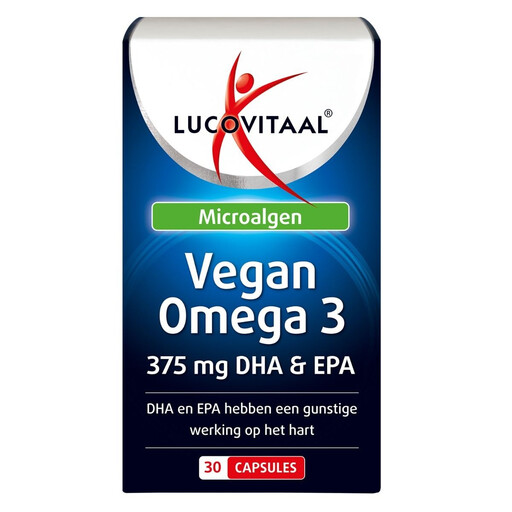
Why This Fits Their Persona: This product is ideal for those who follow a plant-based lifestyle but still want the direct benefits of EPA and DHA. It offers a complete alternative to fish oil, without any animal ingredients.
Completely bypasses the 'unclear source' pitfall. The origin is explicitly stated as algae oil (Schizochytrium sp.), a direct and pure vegan source of both EPA and DHA.
Contains a relevant dosage of 282 mg DHA and 93 mg EPA per capsule, which amply covers the daily recommended amount for heart and brain function.
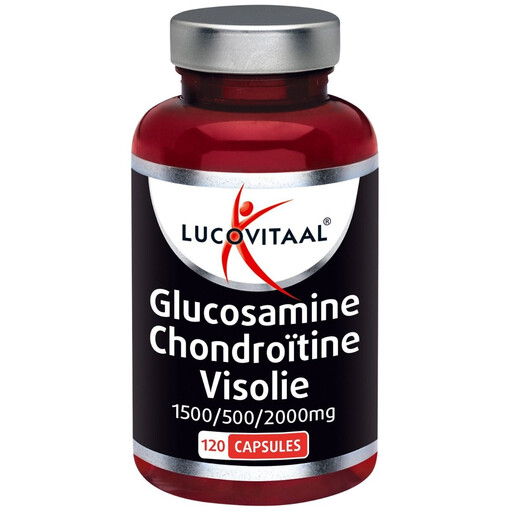
Why This Fits Their Persona: Suitable for adults and athletes who, in addition to the benefits of omega-3, are also looking for a supplement to support their joints. This product combines multiple ingredients in one formula.
This is not an unnecessary 'all-in-one' formula. It combines omega-3 with glucosamine and chondroitin, substances often used together for a specific purpose (joints), rather than a random mix.
The daily dose provides 600 mg of omega-3 (363 mg EPA / 242 mg DHA), which is a solid foundation. The addition of 1500 mg of glucosamine and 500 mg of chondroitin makes it a targeted choice.

Why This Fits Their Persona: Specially developed for children aged 5 and over. The apple-flavoured gummies make intake easy and fun, without the struggle of swallowing large capsules or the taste of fish oil.
This product is 100% sugar-free and vegan, using plant-based oil from Perilla seed. It avoids the fishy aftertaste and is a conscious choice for parents mindful of sugar and animal products.
Provides 360 mg of omega-3 (ALA) per daily dose. Although the conversion to EPA/DHA is limited, it's an accessible way to increase omega-3 intake in children.
We have compiled a complete, up-to-date list of products that meet these selection criteria and comply with Dutch regulations.
The Health Council of the Netherlands advises adults to eat fish once a week, preferably fatty fish. If you don't manage this, a supplement can be a good addition. To support heart function, a daily intake of 250 mg of EPA and DHA combined is recommended. Always read the label of your supplement for the specific dosage and do not exceed the recommended daily amount.
It is generally recommended to take omega-3 supplements during a meal that contains some fat. This can improve the body's absorption of the fatty acids. Whether you take it in the morning or evening makes little difference. Consistency is more important: choose a fixed time of day that works well for you.
This is a common complaint, but it doesn't have to be an issue. Fishy-tasting burps are often caused by lower-quality or non-fresh oil. Choosing a high-purity product can reduce this problem. Some fish oil capsules have a special coating (enteric layer) that only dissolves in the intestines. Storing the capsules in the refrigerator can also sometimes help.
