
Vandaag of morgen in huis

Kwaliteit gegarandeerd

Welkomstaanbiedingen ontgrendelen: GRATIS bezorging | Tot 80% korting | Gratis 30 dagen JoyPlus-proefperiode
Download de app
Would you like to buy an omega 3 supplement because you eat very little oily fish? The choice may seem straightforward, but the label does not always tell the whole story. For example, a capsule containing “1400 mg fish oil” does not automatically contain 1400 mg of omega 3. Terms such as “high-strength”, “pure” and “vegan” can also mean very little about the formulation without further explanation.
This practical guide helps you compare omega 3 capsules based on verifiable product information. That way, you can avoid mainly paying for a large pack, an appealing marketing claim or extra ingredients you do not need.
Fish oil omega 3 consists of several fatty acids. The packaging often lists the total weight of fish oil first, while EPA and DHA are shown separately. These are the two values that matter most when comparing products fairly.
For example, a capsule containing 1,400 mg of fish oil may provide 504 mg of EPA and 378 mg of DHA. Another capsule containing 720 mg of fish oil may provide 276 mg of EPA and 208 mg of DHA. So do not just look at the biggest number on the front of the pack.
Some mini capsules are easy to swallow, but they also contain less EPA and DHA. This can be practical if you deliberately want a low dosage, but less suitable if you want to take a higher amount in a single capsule.
Therefore, always check:
Vegan omega 3 usually comes from microalgae. However, the formulation can vary significantly between products. Some algae products contain mainly DHA, while others contain both DHA and EPA. If you are looking exclusively for plant-based ingredients, you should also check whether the capsule shell is vegan.
A product may be suitable for vegetarians and vegans, while having a lower EPA content than a fish oil product. That is not necessarily a problem, but it is a difference worth considering when making your choice.
EPA and DHA are the most important values to compare. According to the product information and authorised EU claims, EPA and DHA contribute to the normal function of the heart when consumed daily at 250 mg of EPA and DHA. According to the same information, DHA contributes to the maintenance of normal brain function and normal vision at 250 mg of DHA per day.
These are authorised nutrition and health claims, not a treatment or prevention for any condition. Therefore, check the dosage on the label and follow the instructions for use.
For fish oil, it is important to check whether the product contains fish and what the capsule is made from. Many fish oil capsules use gelatine. This makes them unsuitable for vegans and often for vegetarians too.
For microalgae oil, the source is usually listed as Schizochytrium sp.. Look out for the difference between:
Some products contain omega 3 with vitamin E. This may be part of the formulation, but it is not a reason to automatically consider a low amount of EPA and DHA to be better value. Compare the key values first, then look at any additional vitamins, minerals or herbs.
An omega 3-6-9 product also contains omega 6 and omega 9. If you specifically want to supplement EPA and DHA, you may find a purer omega 3 product easier to assess.
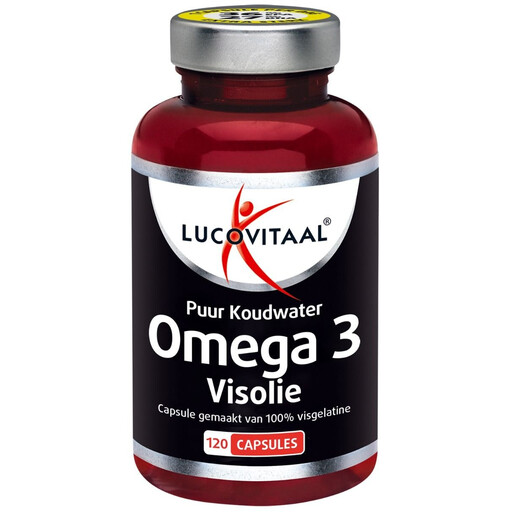
Why it suits this profile: A simple fish oil formula with one capsule per day and 120 capsules per pack. Ideal if you want to get started without added herbs or minerals.
The product information lists 504 mg of EPA and 378 mg of DHA per capsule separately. This makes it clear how much omega 3 you are actually taking.
1 capsule per day; 120 capsules; contains natural vitamin E; fish gelatine used for the capsule.
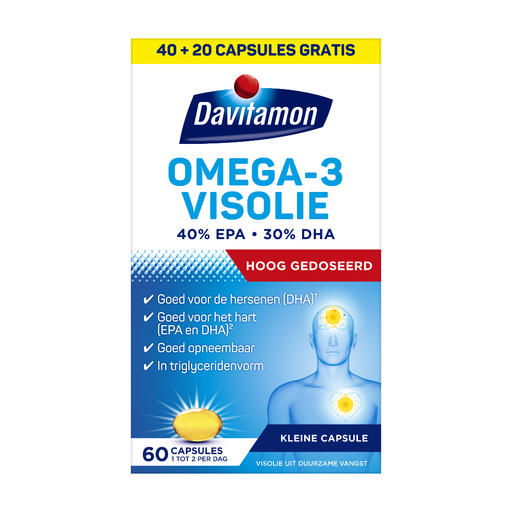
Why it suits this profile: Suitable for adults looking for a concentrated fish oil with vitamin E and clear information about its fatty acids.
The information states that each capsule contains 547 mg of omega 3, including 276 mg of EPA and 208 mg of DHA. The product is described as being in triglyceride form.
720 mg of fish oil per capsule; 276 mg of EPA; 208 mg of DHA; 5 mg of vitamin E; sugar-free and gluten-free according to the product information.
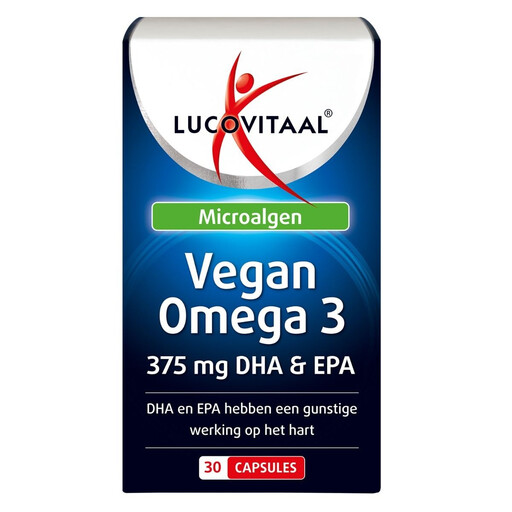
Why it suits this profile: For shoppers who do not want to use fish oil and are specifically looking for a vegan capsule containing both EPA and DHA.
The product description names the source of the oil, Schizochytrium algae, and specifies 282 mg of DHA and 93 mg of EPA per capsule.
Vegan; DHA and EPA from algae oil; 1 capsule per day; 30 capsules per pack; free from fish as an ingredient.
We have put together a complete, up-to-date list of products that fully meet these strict selection criteria and the applicable European safety regulations.
Take a supplement according to the dosage stated on the label, usually during or after a meal with plenty of water. Store capsules in a cool, dry place and, for algae oil, check for any additional storage instructions, such as keeping the product in the fridge.
A supplement is not a substitute for a varied diet. If you regularly eat oily fish, this may already be an important source of omega 3. If you are allergic to fish, soya or any other ingredients, check the label carefully. Are you taking blood thinners, have a medical condition, are you pregnant or breastfeeding? Discuss using the supplement with a doctor or pharmacist first.
This depends on your diet and the product instructions. For the authorised claim relating to the normal function of the heart, the product information refers to 250 mg of EPA and DHA per day. For the claim relating to DHA and normal brain function, it refers to 250 mg of DHA per day. Always compare the amount per capsule with the recommended daily dosage.
Vegan omega 3 from microalgae is an alternative to fish oil. Some products provide DHA only, while others contain both DHA and EPA. Therefore, look at the individual values and check that both the oil and the capsule are suitable for vegans.
Check the best-before date on the packaging and follow the manufacturer’s storage instructions. A pack containing 120 capsules may last longer at one capsule per day than a product containing 30 capsules, but the recommended dosage and freshness after opening remain important. Store the product tightly closed, in a cool, dry place and away from direct sunlight.
