
Vandaag of morgen in huis

Kwaliteit gegarandeerd

Welkomstaanbiedingen ontgrendelen: GRATIS bezorging | Tot 80% korting | Gratis 30 dagen JoyPlus-proefperiode
Download de app
Choosing the right Omega 3 product can feel like navigating a maze of marketing claims. Whether you're seeking targeted health support or a quick, nutritious meal, the options are overwhelming. Many consumers fall into the same traps, wasting money on products that don't meet their needs. As a Product Recommendation Officer at Joybuy, I'm here to help you separate fact from fiction.
Before making a purchase, it's important to recognise two common misconceptions:
To avoid a bad purchase, it's best to focus on a few objective specifications. These will help you compare products fairly, whether they are fish oil capsules or canned goods.
The most valuable components in fish-derived Omega 3 products are eicosapentaenoic acid (EPA) and docosahexaenoic acid (DHA). These are the fatty acids linked to health benefits.
Your lifestyle and goals will determine the best choice for you.
For many consumers, the origin of the fish is important. An MSC (Marine Stewardship Council) certification on the packaging indicates that the fish comes from sustainable fisheries. With canned fish, it's also useful to look at the oil in which the fish is preserved (sunflower oil, olive oil, soy oil), as this affects the flavour and nutritional profile.
Below is a selection of products that suit different needs, based on their specifications.
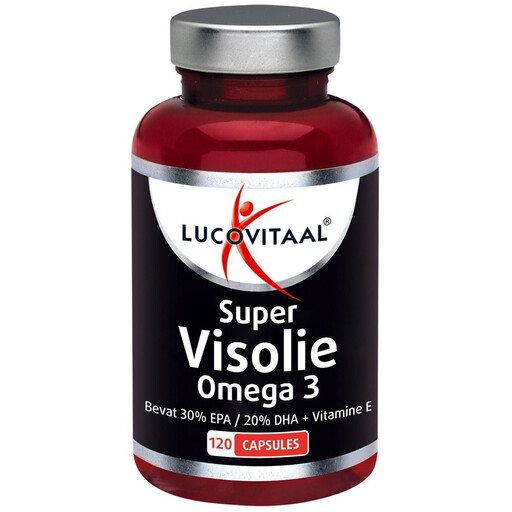
Why This Fits Their Persona: This user is looking for a high and reliable dose of EPA and DHA to support heart and brain health. Convenience and clear specifications are essential.
This product bypasses the "high dosage" pitfall by clearly specifying the amount of EPA (600 mg) and DHA (400 mg) per daily dose of two capsules, rather than just the total fish oil content.
High concentration of active fatty acids per capsule. Also contains Vitamin E, which, according to the manufacturer, helps protect healthy body cells.
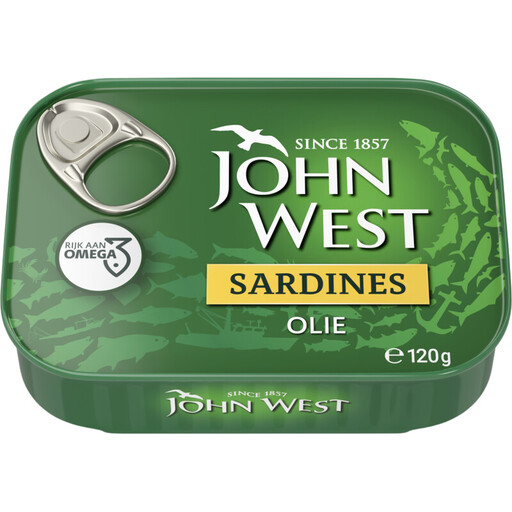
Why This Fits Their Persona: For those who are short on time but still want a nutritious lunch or snack. This product is ready-to-eat, high in protein, and a natural source of Omega 3.
This product is a direct food source, which eliminates confusion about supplement dosages. Furthermore, the MSC certification provides an objective criterion for sustainability, a common concern with fish products.
Rich in protein (23 g per 100 g) and Omega 3 (2.0 g per 100 g drained weight). MSC-certified for sustainable fishing.
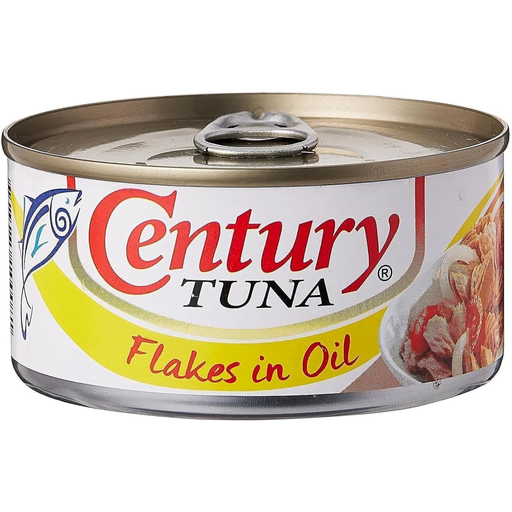
Why This Fits Their Persona: An affordable and versatile base for quick meals like pasta, salads, or sandwiches. It's an easy way to add protein and some Omega 3 to the diet without breaking the budget.
This is a straightforward food product. No confusing claims, just tuna in oil. It's an honest, budget-friendly choice that delivers exactly what it promises: a base for a meal.
Very affordable and has a long shelf life, making it a pantry staple. A good source of protein (13 g per 100 g).
We have compiled a complete, up-to-date list of products that fully meet these strict selection criteria and local regulations.
For most people, getting Omega 3 through food like canned fish is an excellent choice. It provides the fatty acids in their natural form, along with other nutrients like protein and Vitamin D. A can of sardines or tuna can cover a significant portion of the weekly recommended amount of oily fish. Supplements are especially useful if you don't eat fish or if you need a specific, high dose of EPA and DHA that is difficult to obtain from diet alone.
Health authorities generally advise adults to eat oily fish once a week, such as sardines, salmon, or mackerel. For fish oil capsules, dosages are based on specific goals. As mentioned earlier, the EFSA-recognised claim is that 250 mg of EPA and DHA per day contributes to normal heart function. Always read the recommended dosage on the supplement's packaging.
Yes, the oil can make a difference in taste and nutritional value. Fish in sunflower or soy oil is common and affordable. Fish in olive oil is often prized for its flavour and the fact that olive oil itself contains healthy unsaturated fats. In all cases, the Omega 3 fatty acids are largely retained in the fish itself, but some do leach into the oil. Therefore, it's not a bad idea to use some of the oil as well, for example, in a dressing.
