
Vandaag of morgen in huis

Kwaliteit gegarandeerd

Welkomstaanbiedingen ontgrendelen: GRATIS bezorging | Tot 80% korting | Gratis 30 dagen JoyPlus-proefperiode
Download de app
When you buy omega 3 fish oil, you often look first at the number of capsules or the words “high strength” on the packaging. That tells you very little without checking the full composition. A pot with 120 capsules can contain less EPA and DHA per capsule than a pack with 60 capsules.
For adults who don’t eat much oily fish, pregnant women, seniors and athletes, the dosage, the type of oil and the additional ingredients are particularly relevant. Below, you’ll find out how to compare omega 3 capsules and fish oil capsules in a practical way.
The label often states an amount of fish oil, for example 1,400 mg. That is not automatically 1,400 mg of omega 3. Always check how much of that comes from EPA and DHA.
A capsule with 1,400 mg of fish oil might, according to the product information, provide 504 mg of EPA and 378 mg of DHA. Another capsule might contain 500 mg of fish oil, but only 165 mg of EPA and 110 mg of DHA. So look at the active fatty acids, not just the total oil weight.
A pack with 120 capsules might seem good value, but the recommended dosage could be two or three capsules per day. Therefore, compare the cost per daily dose. Also pay attention to the shelf life and storage instructions. Fish oil can be sensitive to heat, light and air.
Some formulas combine fish oil with vitamin E, garlic oil, evening primrose oil or multivitamins. That can be handy if you want to combine several supplements, but it also increases the chance of unnecessary overlap.
Products with vitamin A, for example, are not automatically suitable during pregnancy. If you are taking medication, have a medical condition, are pregnant or breastfeeding, it is wise to consult a doctor or pharmacist.
EPA and DHA are the two most important omega 3 fatty acids in fish oil. Many labels carry an EU-approved nutrition claim that EPA and DHA contribute to the normal function of the heart with a daily intake of 250 mg of EPA and DHA. For DHA, labels often mention the amount of 250 mg per day in connection with the normal function of the brain and vision.
These are permitted health claims under certain conditions, not a guarantee of a personal health effect. Therefore, check:
Most fish oil capsules have a gelatine casing. That is not suitable for vegans and can be relevant for certain dietary preferences. Check the allergen list for fish, soya and possibly shellfish.
If you are looking for a vegan alternative, you can consider oil from microalgae. A product with microalgae oil usually contains mainly DHA and not necessarily EPA. So don’t compare this one-to-one with fish oil containing EPA and DHA.
Fish oil with vitamin E is popular because vitamin E can be mentioned on the label with a permitted claim about the protection of cells from oxidative stress. The amount varies greatly from product to product.
A multivitamin with fish oil can also contain vitamin D, folic acid, iron, magnesium and B vitamins. That makes such a formula broader, but not necessarily more suitable. Check which nutrients you are already getting from other supplements.
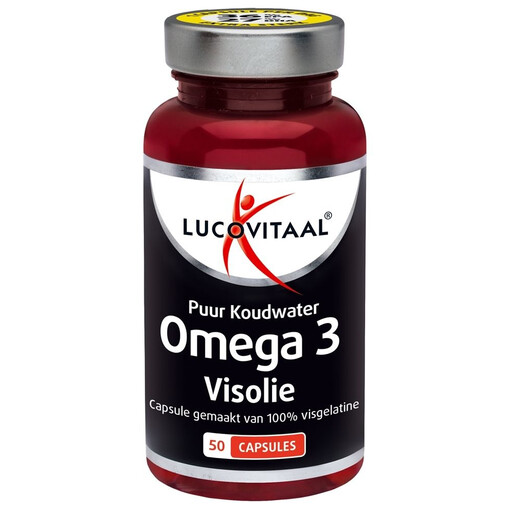
Why this fits the profile: The pack of 50 capsules is ideal for trying pure fish oil without buying a large stock straight away. According to the product information, one capsule contains 1,400 mg of fish oil, with 504 mg of EPA and 378 mg of DHA.
The amount of EPA and DHA is clearly stated alongside the amount of fish oil, so you don’t have to rely solely on the capsule count.
One capsule per day according to the label, with natural vitamin E and a fish gelatine casing.
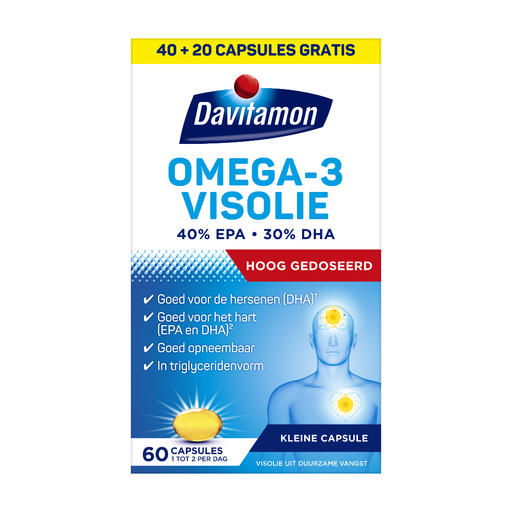
Why this fits the profile: According to the product information, one capsule contains 720 mg of fish oil, of which 276 mg of EPA and 208 mg of DHA, plus 5 mg of vitamin E.
The product information lists EPA, DHA and total omega 3 separately. This means you can check the composition straight away.
Triglyceride form according to the product description, with a clear dosage of one to two capsules per day for adults.
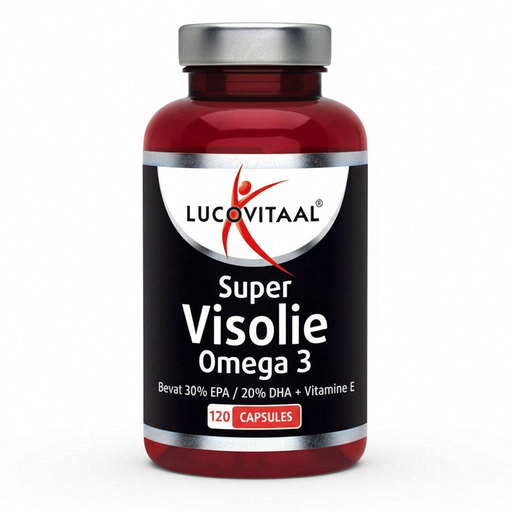
Why this fits the profile: For users who are consciously comparing a higher daily intake: according to the product information, two capsules provide 600 mg of EPA and 400 mg of DHA, with extra omega 6 and vitamin E.
The recommended dosage and the separate amounts of EPA and DHA are stated per two capsules. This prevents you from confusing a daily dose with one capsule.
120 capsules, 1,204 mg of omega 3 per two capsules and 30 mg of vitamin E according to the label. Not intended for pregnant or breastfeeding women.
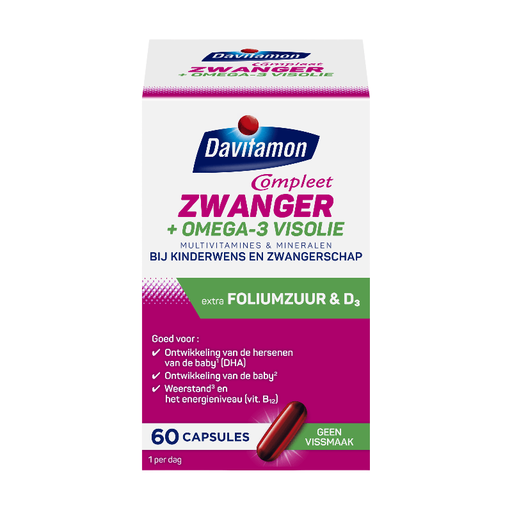
Why this fits the profile: According to the product information, this formula is tailored for pregnancy and contains 200 mg of DHA, 400 micrograms of folic acid and 10 micrograms of vitamin D3 per capsule.
The formula states the target group and the nutrients per daily capsule. Always check whether the combination is suitable alongside any other supplements you are taking.
Combination of DHA, folic acid, vitamin D3, iron and other vitamins. Contains fish and soya; consult a healthcare professional if in doubt.
We have put together a full, up-to-date list of products that fully meet these strict selection criteria and comply with current European safety regulations.
Check the best-before date and follow the storage instructions on the packaging. Many products need to be kept cool, dry and out of direct sunlight. Some bottles need to be refrigerated after opening. Do not use a capsule if the smell or taste is noticeably off.
That varies from product to product. Some capsules are intended for once a day, while other formulas recommend two or more capsules. Always compare the EPA and DHA amount per recommended daily dose and do not exceed the dosage on the label.
Yes, vegan omega 3 from microalgae can be an alternative for people who do not use fish products. However, check whether the product contains DHA, EPA or both. Cod liver oil is not a vegan alternative and also contains vitamin A and D. During pregnancy, when taking medication, or if you are unsure about combinations, it is wise to seek personal advice from a doctor or pharmacist.
