
Vandaag of morgen in huis

Kwaliteit gegarandeerd

Welkomstaanbiedingen ontgrendelen: GRATIS bezorging | Tot 80% korting | Gratis 30 dagen JoyPlus-proefperiode
Download de app
When looking for omega-3 fish oil, you will quickly come across terms such as “pure omega 3”, “super omega 3” and “high strength”. On their own, these phrases do not tell you much. What matters most is what each daily dose actually contains: EPA and DHA, the number of capsules and any additional ingredients.
This can make comparisons difficult. For example, a capsule containing 1,400 mg of fish oil does not automatically contain 1,400 mg of omega 3. Some of the oil consists of other fatty acids. A product with lots of added vitamins may also be less suitable if you already take a multivitamin.
Below, we explain what to look out for and which popular options suit different situations.
The total weight of the fish oil is often shown on the front of the pack. For a proper comparison, look further down the label for:
For example, a capsule containing 1,400 mg of fish oil may provide 504 mg of EPA and 378 mg of DHA. That is a very different proposition from a capsule containing 250 mg of fish oil, of which 40 mg is EPA and 25 mg is DHA.
“Super omega 3” is a product name, not a legal quality classification. Always check the ingredients and nutritional information. Lucovitaal Fish Oil Super Omega 3 states that two capsules provide 1,204 mg of omega 3, including 600 mg of EPA and 400 mg of DHA. It also contains 400 mg of evening primrose oil and 30 mg of vitamin E.
That may be appealing if you are deliberately choosing a combination product, but it makes less sense if you are simply looking for a straightforward fish oil formula.
Pay attention to allergens and added nutrients. Fish oil capsules often contain fish and gelatine. Some formulas also contain soya, garlic oil, evening primrose oil or several vitamins and minerals.
Do you take blood thinners, have a medical condition or are you pregnant? Check the warnings on the label and, if necessary, discuss taking the product with a doctor or pharmacist.
EPA and DHA are the two values you should compare first. Labels often include permitted health claims. According to the product information and European conditions, EPA and DHA contribute to the normal function of the heart when 250 mg of EPA and DHA are consumed daily. A similar claim is used for DHA, relating to the maintenance of normal brain function and vision, at 250 mg of DHA per day.
This is not a reason to automatically choose a high dosage. Follow the manufacturer’s recommended amount and do not exceed the daily dose.
The format mainly affects ease of use:
Storage is particularly important with liquid fish oil. Lucovitaal Omega 3 Liquid 125 ml, for example, states that the product must be stored in the fridge after opening and used within three months.
A pack containing 120 capsules is not always better value. Look at the recommended daily dose. At one capsule a day, a pack of 120 will last around four months. At two capsules a day, the same quantity will last approximately two months.
So compare the price per daily dose, rather than just the price per pack.
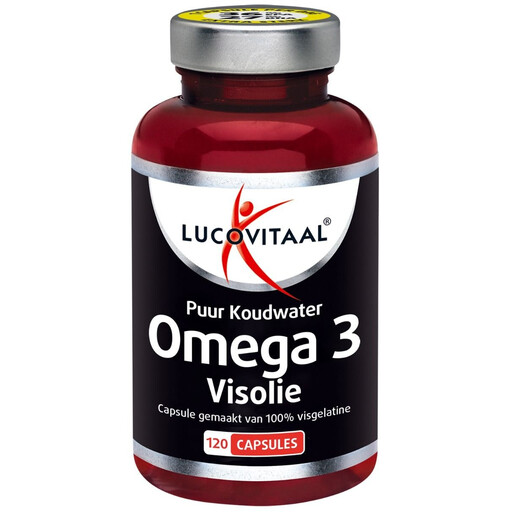
Why it suits this profile: The recommended amount is one capsule a day. This makes the product easy to fit into your routine when you are taking fish oil for the first time.
The product specification states not only 1,400 mg of fish oil, but also 504 mg of EPA and 378 mg of DHA per capsule.
120 capsules, one capsule a day and 2 mg of natural vitamin E according to the label.
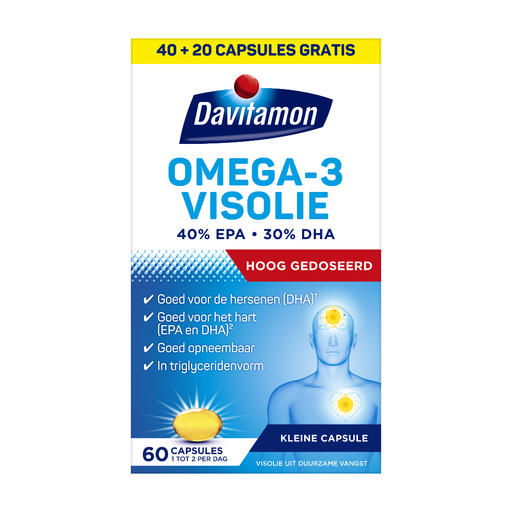
Why it suits this profile: The formula clearly breaks down the EPA, DHA and vitamin E content, so you can rely less on broad marketing terms.
The packaging states that each capsule provides 276 mg of EPA and 208 mg of DHA, while two capsules provide 552 mg of EPA and 416 mg of DHA.
720 mg of fish oil per capsule, fish gelatine and vitamin E; the manufacturer states that it is in triglyceride form.
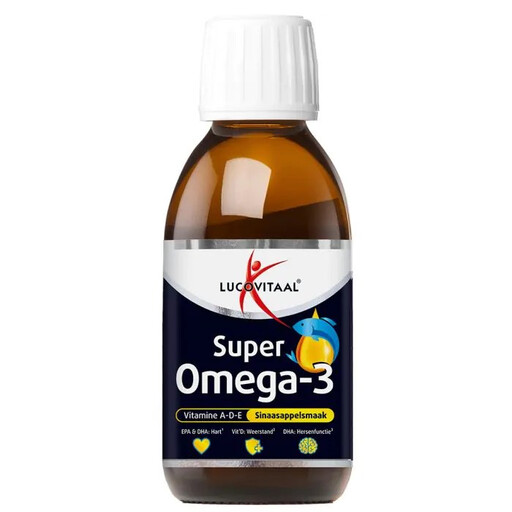
Why it suits this profile: A liquid option is practical if you find capsules difficult to swallow or want to mix omega 3 into something such as yoghurt.
The dosage is clear: 5 ml a day. The formula provides 400 mg of EPA and 550 mg of DHA per daily dose.
125 ml, orange flavour and added vitamins A, D and E according to the product information.
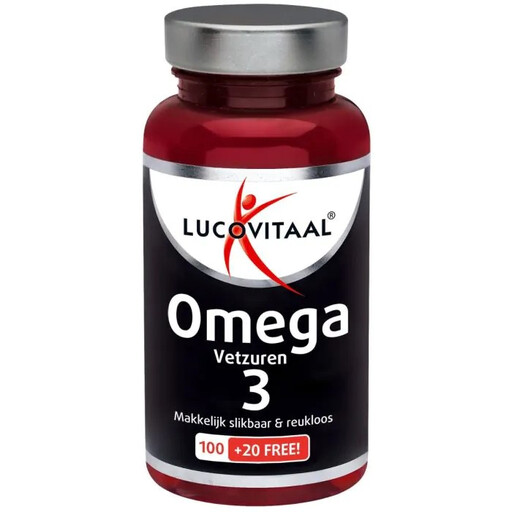
Why it suits this profile: According to the product information, this algal oil option is suitable for vegetarians and vegans.
The source is clearly stated: oil from the microalga Schizochytrium sp. Each capsule contains 220 mg of DHA.
Algal oil, 60 capsules and 4 mg of vitamin E per capsule according to the label; the recommended dosage is two capsules a day.
We have put together a complete, up-to-date list of products that fully meet these strict selection criteria and the applicable European safety regulations.
For pregnant women, the formula is particularly important. According to the product information, Davitamon Pregnant Complete Plus Fish Oil contains 200 mg of DHA per capsule, alongside folic acid, vitamin D and other nutrients. The product is intended for women trying to conceive, pregnant women and breastfeeding women. Always check that it is suitable alongside any other supplements you take.
For omega 3 for over-50s or omega 3 for over-65s, there are combination formulas containing vitamins and minerals. Davitamon Actifit 50+ Omega-3 Fish Oil provides 165 mg of EPA and 110 mg of DHA per capsule, supplemented with vitamin D, magnesium and iron, among other nutrients. If you already take several supplements, it is wise to check your total nutrient intake.
It varies from product to product. Some omega-3 capsules recommend one capsule a day, while a concentrated formula may recommend two. Always check the recommended daily dose and the amount of EPA and DHA per day, rather than looking only at the number of milligrams of fish oil.
Follow the use-by date on the packaging and store the product according to the instructions. Capsules are usually kept in a cool, dry place away from direct sunlight. Liquid omega 3 often needs to be stored in the fridge after opening. Do not use the product if its smell, taste or appearance has clearly changed.
Vegan omega 3 is usually based on algal oil and often provides DHA. Some algal oil products also contain EPA, but this varies from one formula to another. Always check the nutrition table. For people who do not want to use fish or animal-derived ingredients, algal oil is a practical alternative source of omega 3.
