
Vandaag of morgen in huis

Kwaliteit gegarandeerd

Welkomstaanbiedingen ontgrendelen: GRATIS bezorging | Tot 80% korting | Gratis 30 dagen JoyPlus-proefperiode
Download de app
If you don’t eat much oily fish, omega 3 fish oil capsules are a quick go‑to supplement. But not all capsules are the same. A large pot may contain very little EPA and DHA per capsule, while a smaller pack could deliver a much higher daily dose. Extra ingredients, allergens and capsule size can also influence your choice.
Below, you’ll find out what to look for in an omega 3 supplement, which marketing traps are common, and which products suit different needs.
“1,400 mg fish oil” sounds impressive, but that number doesn’t tell you how much omega 3 you’re actually getting. Always check the separate amounts of EPA and DHA. For example, Lucovitaal Pure Omega 3 Cold Water states 1,400 mg fish oil per capsule, with 504 mg EPA and 378 mg DHA.
A high‑strength omega 3 can be handy if you want a bigger amount of EPA and DHA in fewer capsules. That doesn’t mean everyone needs it. Look at the recommended daily dose on the label and don’t exceed it.
Some products combine fish oil with vitamin E, garlic oil, evening primrose oil, vitamins or minerals. That might suit your needs, but it makes comparisons trickier. Also watch out for allergens such as fish, soya, gelatine and shellfish derivatives.
EPA and DHA are the two main omega 3 fatty acids most people are after. A product labelled “fish oil with EPA and DHA” should clearly state how much of each is in every capsule or daily dose.
The product information may include permitted EU health claims. According to the labels of the brands mentioned, EPA and DHA contribute to the normal function of the heart with a daily intake of 250 mg EPA and DHA. Based on the brands’ own information, DHA also contributes to the maintenance of normal brain function and normal vision at 250 mg DHA per day. These are not medical treatments, and a supplement does not replace a varied diet.
A pack of 120 capsules may last longer than a pack of 60, but only if the recommended intake is similar. For example:
So the price per pack means little without working out the price per daily dose.
Fish oil capsules often contain gelatine and are therefore not suitable for vegetarians or vegans. For a plant‑based alternative, look at algae oil. Lucovitaal Omega 3 Fatty Acids uses oil from the microalgae Schizochytrium sp. and, according to the product description, provides 220 mg DHA per capsule. The recommended intake is 2 capsules per day.
A product with vitamin E can be useful if you want to combine that nutrient with fish oil. Just check how much vitamin E you’re already getting from other supplements.
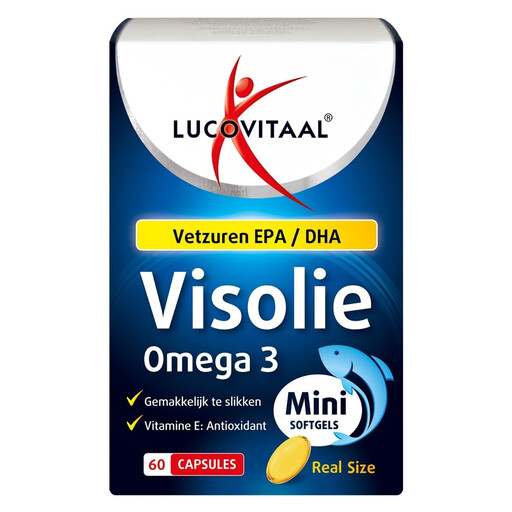
Why it fits this profile: The mini‑capsules are designed for adults who want a simple daily routine and prefer a smaller capsule to swallow.
The amounts of EPA and DHA are listed separately: 40 mg EPA and 25 mg DHA per capsule. So the low daily dose is clear, rather than hidden behind just the fish oil weight.
1 capsule per day, mini‑capsule size and 2 mg vitamin E per capsule according to the product information.
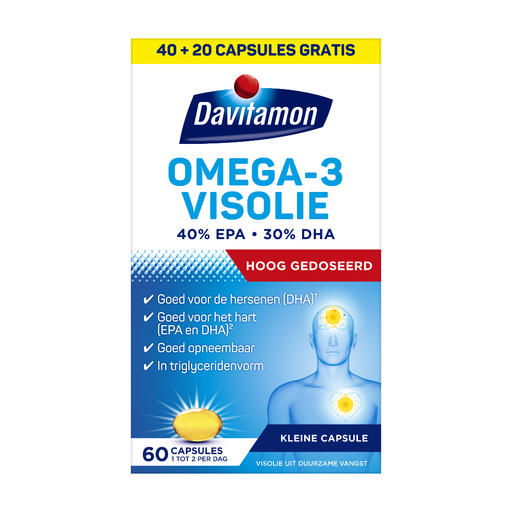
Why it fits this profile: The capsule lists clear EPA and DHA values and contains natural vitamin E according to the product information.
You don’t have to guess the active fraction: per capsule it states 276 mg EPA, 208 mg DHA and 547 mg total omega 3.
720 mg fish oil per capsule, triglyceride form according to the label and 5 mg vitamin E per capsule.
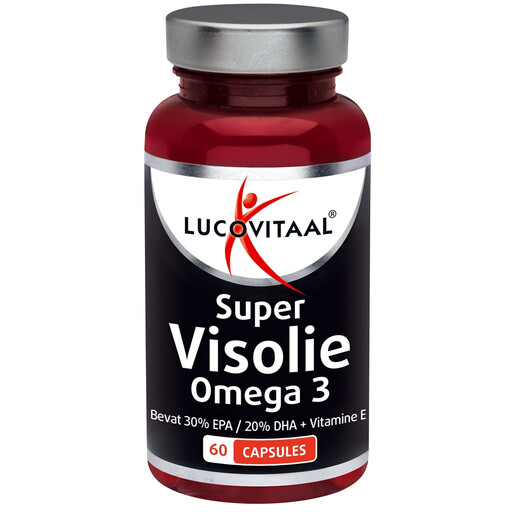
Why it fits this profile: This is a choice for adults who deliberately want a higher daily dose of EPA and DHA and find two capsules a day convenient.
The daily dose is concrete: 600 mg EPA and 400 mg DHA from 2 capsules. According to the product information, this product is not suitable for pregnant or breastfeeding women.
2,000 mg fish oil, 1,204 mg omega 3, 320 mg omega 6 and 30 mg vitamin E per daily dose.
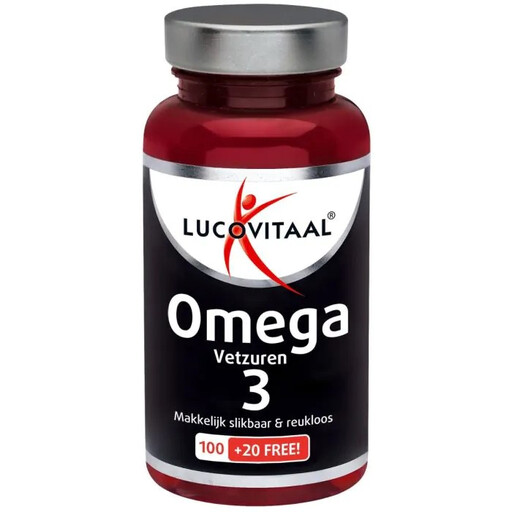
Why it fits this profile: This version uses microalgae oil and, according to the product description, is suitable for vegetarians and vegans.
The source is clearly stated as oil from the microalgae Schizochytrium sp., so you won’t confuse this variant with ordinary fish oil.
220 mg DHA per capsule, 4 mg vitamin E per daily dose and a formula without fish gelatine according to the product information.
We’ve put together a full, up‑to‑date list of products that fully meet these strict selection criteria and comply with current European safety regulations.
Take the capsules as directed on the label, usually during or after a meal with water. Store fish oil in a cool, dry place away from direct sunlight. Check the expiry date and storage instructions on the pack every time you buy.
Are you pregnant, breastfeeding, taking blood thinners or do you have a medical condition? Then discuss the product with a doctor or pharmacist first. For pregnant women, a specific formula is available, such as Davitamon Pregnant Complete Plus Fish Oil, which according to the label provides 200 mg DHA and additional vitamins. Don’t just take a general high‑strength omega 3 alongside a pregnancy formula.
That depends on your diet, the product and your personal situation. First compare the values per capsule and per daily dose. The commonly cited EU‑approved claim for normal heart function refers to 250 mg EPA plus DHA per day; for DHA in brain function and vision, 250 mg DHA is mentioned. Always follow the label and ask a healthcare professional if you’re unsure.
Check the expiry date on the pack. After opening, some products may need extra cool storage. A rancid smell or taste could mean the product is no longer good to use. Follow the manufacturer’s specific storage advice.
Not exactly. Vegan omega 3 is usually made from algae oil and often contains mainly DHA. Fish oil typically contains EPA and DHA. So check not only whether a product is vegan, but also which omega 3 fatty acids and how many milligrams per daily dose are listed.
