
Vandaag of morgen in huis

Kwaliteit gegarandeerd

Welkomstaanbiedingen ontgrendelen: GRATIS bezorging | Tot 80% korting | Gratis 30 dagen JoyPlus-proefperiode
Download de app
As a Product Recommendation Officer at Joybuy, I see every day how people can't see the forest for the trees. The fish oil and omega-3 supplement aisle is a perfect example. One package shouts louder than the next, but what are you really buying? Before you make a choice, it's important to know where the pitfalls lie.
Many people fall for two common marketing traps:
This guide will help you look past the marketing and choose a product that meets your needs, based on the specifications that truly matter.
You don't need to be a label expert to make an informed choice. Pay attention to the following three points, and you'll know exactly what you're getting.
The primary reason to consider an omega-3 fish oil supplement is for the polyunsaturated fatty acids eicosapentaenoic acid (EPA) and docosahexaenoic acid (DHA). These are the active ingredients.
According to the European Food Safety Authority (EFSA), a daily intake of 250 mg of EPA and DHA has a beneficial effect on the heart. Additionally, a daily intake of 250 mg of DHA is good for brain function and vision.
Pro Tip: Look on the back of the package for the "Supplement Facts per daily serving". Add the milligrams (mg) of EPA and DHA together. This is the actual amount of active omega-3 you are consuming. A product with a high dose of omega-3 provides a significant amount of these specific fatty acids, not just a large amount of fish oil.
The way you take your omega-3 is a matter of personal preference.
Some supplements combine fish oil with other ingredients for a specific purpose. For example, you might find Lucovitaal fish oil combined with garlic or glucosamine. Consider whether you need these extras or if a pure omega-3 supplement is sufficient. Vitamin E is often added as an antioxidant to protect the oil from oxidation and extend its shelf life.
To help you get started, we have highlighted a few products that suit different needs and preferences.
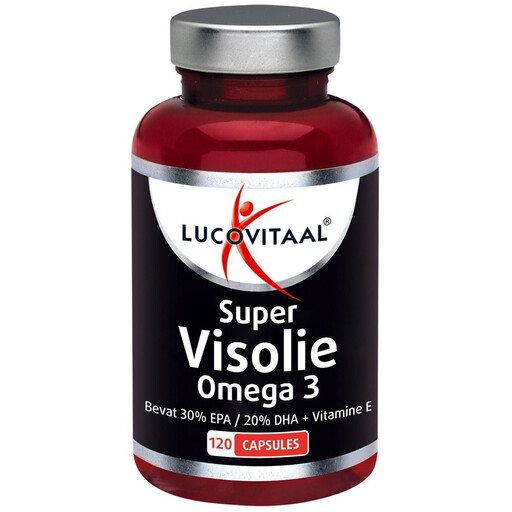
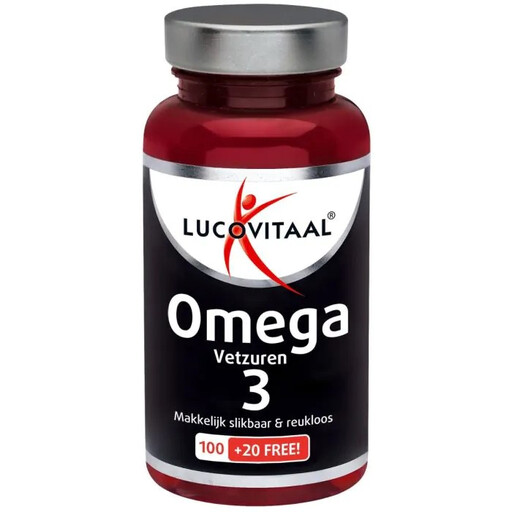
Why This Fits Their Persona: Ideal for those specifically seeking a high concentration of EPA and DHA to support heart and brain health. The daily dose is clear and delivers a significant amount of active compounds.
This product bypasses the "high dose" trap by being transparent. The focus is on the 600 mg of EPA and 400 mg of DHA per daily serving, not on the total 2000 mg of fish oil.
High, clear dosage of EPA/DHA. Also contains Vitamin E as an antioxidant. A two-month supply per package.
Why This Fits Their Persona: Perfect for vegetarians, vegans, or anyone who prefers to avoid fish products. This supplement provides a direct source of DHA from algae oil, without any animal ingredients.
This product offers a clear alternative to standard fish oil. It is explicitly labelled as vegan omega-3, made from the microalga Schizochytrium sp., which clarifies its source.
100% plant-based. Direct source of DHA (220 mg per 2 capsules). Free from the typical fishy aftertaste.
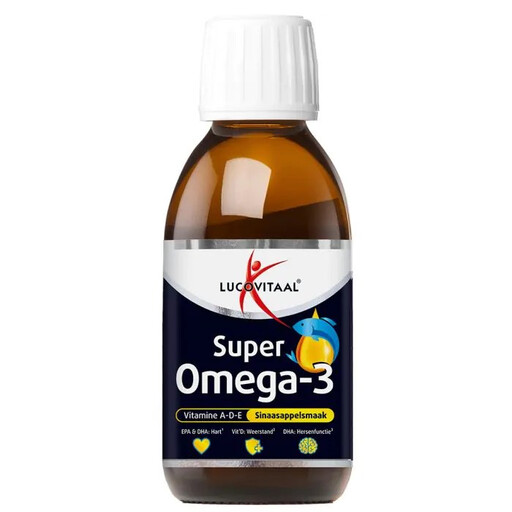
Why This Fits Their Persona: A practical solution for adults and children who don't want to or can't take large capsules. The liquid form is easy to dose and can be mixed into yoghurt, for example.
This product tackles the "form and flavour surprise." As a liquid fish oil with an orange flavour, it's a user-friendly alternative to traditional capsules.
Easy to take. Pleasant orange flavour. Contains a good dose of EPA (400 mg) and DHA (550 mg) per 5 ml.
We have compiled a complete, up-to-date list of products that meet these selection criteria and comply with UK/EU regulations.
The recommended dosage can vary. To support normal heart function, the EFSA advises a daily intake of 250 mg of EPA and DHA combined. For specific goals, higher dosages may be advised. Always read the directions on the package and do not exceed the recommended daily amount.
EPA and DHA are both important omega-3 fatty acids, but they are associated with different functions in the body. Simply put, EPA is more often linked to heart support. DHA is a key building block for the brain and retina, and is therefore linked to brain function and vision. Most fish oil for heart and vascular health contains a combination of both.
If you take supplements daily, a pill box can be very useful for keeping track, especially when you're on the go. A handy travel pill organiser ensures you don't forget your daily dose and protects the capsules from moisture and dirt.
