
Vandaag of morgen in huis

Kwaliteit gegarandeerd

Welkomstaanbiedingen ontgrendelen: GRATIS bezorging | Tot 80% korting | Gratis 30 dagen JoyPlus-proefperiode
Download de app
Anyone searching for omega-3 capsules will quickly come across terms such as “high strength”, “pure”, “vegan” and “complete formula”. On their own, these terms say very little. The key differences usually lie in the amount of EPA and DHA per daily serving, the capsule material and any added ingredients.
This buying guide helps adults in the Netherlands compare omega-3 fish oil, EPA DHA capsules and vegan omega-3 products objectively. That way, you avoid paying primarily for oversized packaging or attention-grabbing marketing.
A capsule containing 1,400 mg of fish oil does not automatically contain 1,400 mg of omega-3. For example, Lucovitaal Pure Omega 3 Cold Water Fish Oil lists 1,400 mg of fish oil, of which 504 mg is EPA and 378 mg is DHA. These are the figures you need for a meaningful comparison.
Always check:
A pack of 120 capsules may appear good value, but a product with a recommended dosage of two capsules per day will last less time than a product requiring one capsule per day. So do not calculate only the price per pack; also calculate the price per daily serving.
A simple calculation:
Price per day = pack price ÷ number of days of use
Some products also use a more comprehensive formula. According to the product information, Lucovitaal Super Omega 3 provides, per two capsules, 1,204 mg of omega-3, 600 mg of EPA, 400 mg of DHA, 400 mg of evening primrose oil and 30 mg of vitamin E. That is a different composition from a straightforward fish oil formula.
With vegan omega-3, the oil often comes from microalgae. Also check the capsule shell and excipients. Lucovitaal Omega 3 Fatty Acids uses oil from the microalga Schizochytrium sp. and states that it is suitable for vegetarians and vegans. The product information lists 220 mg of DHA and 4 mg of vitamin E per capsule.
Bear in mind that not every plant-based omega-3 product provides the same fatty acids. Perilla and flaxseed oil contain mainly ALA, whereas microalgae products generally provide DHA and sometimes EPA as well. For a targeted choice, check the individual EPA and DHA content.
EPA and DHA are the two figures to check first when comparing fish oil and algal oil capsules. A product may have a high total oil content but a comparatively low EPA and DHA content.
Authorised European health information on product labels often refers to a daily intake of 250 mg of EPA and DHA in relation to normal heart function, and 250 mg of DHA in relation to normal brain function and vision. This does not mean that every person needs a supplement. Use these figures as a way to compare labels, and always follow the recommended dosage.
Fish oil capsules generally contain fish oil and a gelatin capsule. Therefore, check the allergen information if you are allergic to fish, soy or other ingredients. According to the product information, Davitamon products contain fish and, in some formulas, soy and bovine gelatin.
For vegan or vegetarian users, microalgae products are a logical category to consider. Also check whether the product is free from gluten, lactose, sugar or salt if this is relevant to you.
Omega-3 with vitamin E may be appealing if you are deliberately looking for a formula that includes an additional vitamin. The amount varies considerably:
More vitamin E does not automatically make a product more suitable. Consider your total intake from food and other supplements. If you take medication, particularly blood thinners, or have a medical condition, discuss using the product with a doctor or pharmacist.
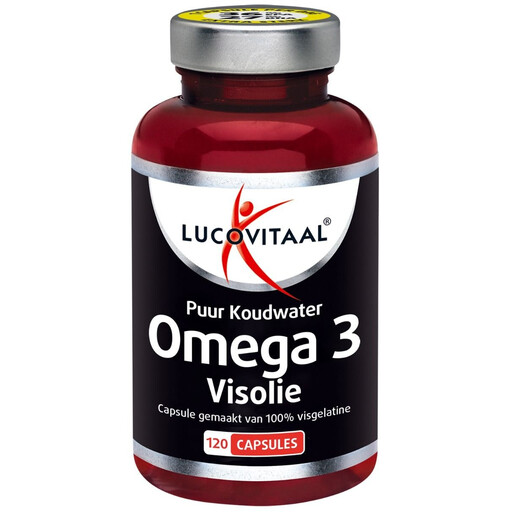
Why it’s a good fit: A straightforward choice for adults who want to take one capsule per day and primarily compare EPA and DHA levels.
The product information lists 504 mg of EPA and 378 mg of DHA per capsule separately, rather than only stating the weight of the fish oil.
120 capsules, 1,400 mg of fish oil per capsule and 2 mg of natural vitamin E according to the label.
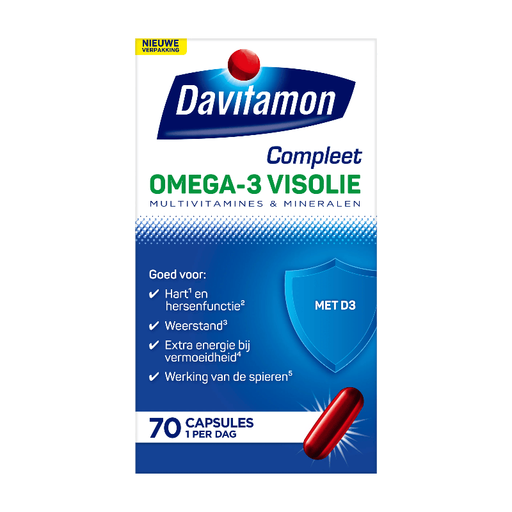
Why it’s a good fit: For adults who want to combine omega-3 with a range of vitamins and minerals in a single daily capsule.
The label states 500 mg of concentrated fish oil, including at least 165 mg of EPA and 110 mg of DHA per capsule, making the dosage easy to verify.
According to the product information, it also contains vitamin D, magnesium, selenium, zinc and vitamin E.
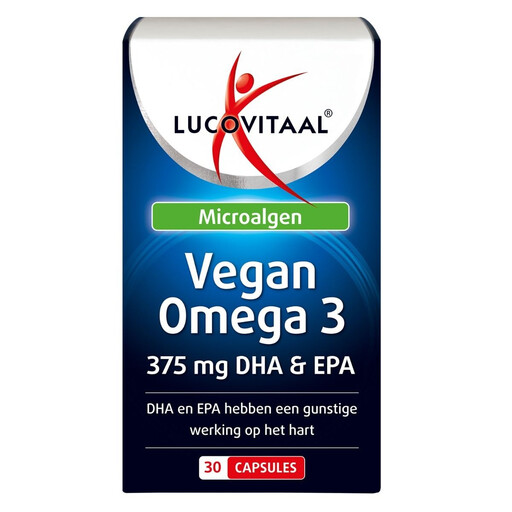
Why it’s a good fit: Suitable for vegetarians and vegans looking for an algal oil product that provides both DHA and EPA.
The source is clearly specified: algal oil from Schizochytrium sp. The capsule is also identified as vegan.
The label lists 282 mg of DHA and 93 mg of EPA per capsule, with no fish used as a source.
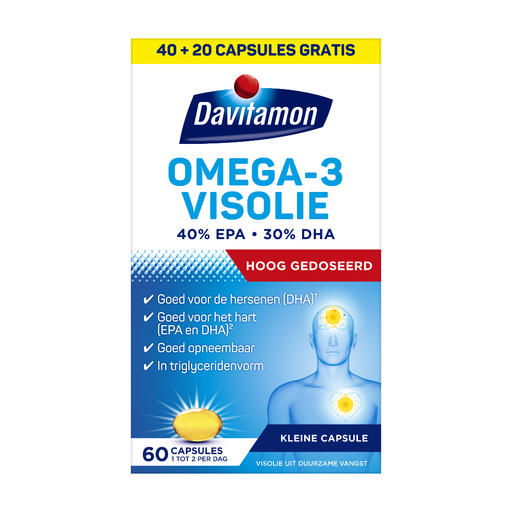
Why it’s a good fit: For adults looking for a concentrated formula and wanting to adjust the dosage within the product’s stated guidelines.
The product information distinguishes between the amount of fish oil and the active fatty acids: 547 mg of omega-3, 276 mg of EPA and 208 mg of DHA per capsule.
Contains 5 mg of vitamin E per capsule and, according to the label, uses a triglyceride form.
Browse a current selection of omega-3 supplements and compare EPA, DHA, capsule count, vegan suitability and additional ingredients.
Take omega-3 capsules according to the label, usually during or after a meal with water. This may make them easier to take. Store capsules in a cool, dry place, away from direct sunlight and out of the reach of young children. Some products recommend refrigeration after opening; if so, follow the instructions on the packaging.
A supplement is not a substitute for a varied diet. If you eat little oily fish or deliberately choose a plant-based formula, focus primarily on the daily amount of EPA and DHA. Also watch out for duplicate intake if you already use a multivitamin, vitamin E or another omega-3 supplement.
The expiry date is printed on the packaging. Storage instructions may vary after opening. Store capsules according to the label and do not use a product if the packaging is damaged or the contents have an unusual smell.
Not automatically. Check allergens such as fish, soy and gelatin. Pregnant women, breastfeeding women, people with a medical condition and anyone taking blood thinners should consult a doctor or pharmacist before use.
Omega-3 fish oil comes from fish and generally contains EPA and DHA. Vegan omega-3 usually uses microalgae oil. Plant-based oils such as perilla oil provide mainly ALA. So do not focus only on the term “plant-based”; check the precise EPA and DHA values on the label.
