
Vandaag of morgen in huis

Kwaliteit gegarandeerd

Welkomstaanbiedingen ontgrendelen: GRATIS bezorging | Tot 80% korting | Gratis 30 dagen JoyPlus-proefperiode
Download de app
At first glance, choosing olive oil seems straightforward. Yet on the shelf and online, you’ll find many varieties with similar packaging but different compositions, flavours and uses. If you only look for an Italian flag, a dark bottle or an attractive price, you can end up paying for characteristics that don’t suit how you actually cook.
1. Using extra virgin olive oil for every type of cooking
Extra virgin olive oil generally has more flavour and is often chosen for salads, bread, dressings and finishing. For high temperatures, a milder olive oil or one specifically labelled for frying and roasting can be more practical. Always check the usage instructions on the label.
2. Buying a large size without considering how much you use
A 1-litre bottle of olive oil may seem better value per millilitre, but it isn’t automatically the right choice. If you mainly make dressings or use oil as a finishing touch, you might be better off with olive oil 250 ml or olive oil 500 ml. Once opened, the bottle must be kept tightly sealed and protected from light and heat.
3. Confusing taste claims with objective product information
Words like “fruity”, “mild” or “intense” describe the expected flavour, but they don’t directly tell you whether the oil suits your dishes. Instead, look at the ingredients, the type of oil, the origin, the volume and the recommended use. For organic olive oil, the organic certification on the packaging is also important.
There is a practical difference between refined olive oil, a blend and extra virgin olive oil.
Also pay attention to the difference between “Italian olive oil” and oil that is only sold by an Italian brand. The product description or label should make clear where the olives and production come from.
If you’re looking for olive oil for salads, bread and marinades, extra virgin often works better for a pronounced flavour. For olive oil for frying, a mild taste and clear heating instructions are important.
According to the product information, Bertolli Classico 250 ml states it is suitable for hot cooking up to 210 °C. Bertolli Extra Virgin Olive Oil 1 L is, according to the product description, recommended for gentle sautéing and roasting, but not for deep-frying at high temperatures. Use such guidance as a starting point and always follow the current label.
An olive oil spray is especially handy when you want to apply a thin, even layer. The Bertolli Extra Virgin Olive Oil Spray Originale 200 ml is, according to the product description, intended for pasta and salads, among other things. With spray packaging, also check the ingredients and usage instructions.
Choose the size based on how much you use:
Store olive oil in a cool, dry place, away from direct sunlight and heat sources. Seal the bottle tightly after each use. When buying online, check the best-before information on the packaging as soon as the product arrives.
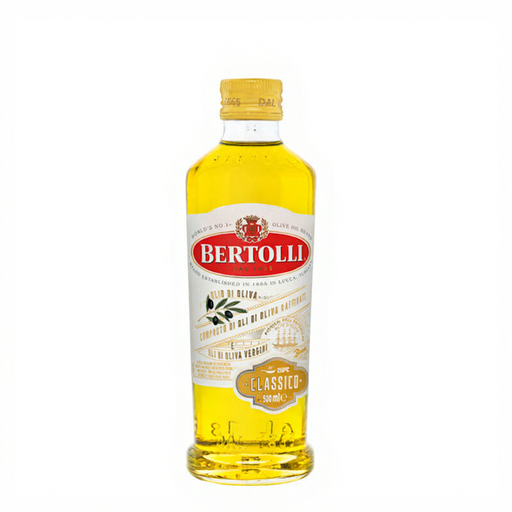
Why this suits the profile: The size is manageable and the mild blend works well for everyday cooking and dressings.
The composition is clearly stated: refined olive oil with virgin olive oil. This makes the difference from extra virgin visible.
500 ml volume; mild flavour; suitable for cooking and salads according to the product description.
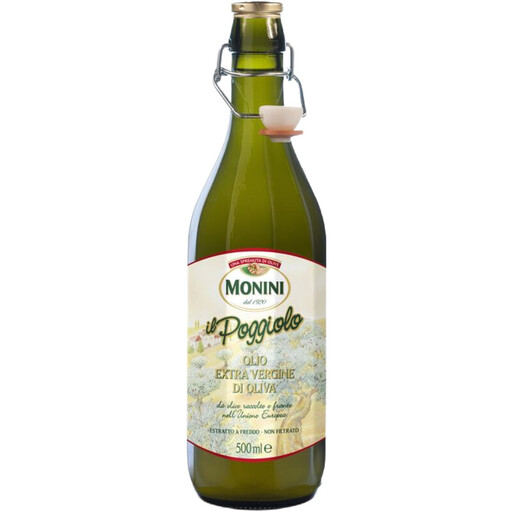
Why this suits the profile: This oil is intended for those who want a pronounced olive flavour for salads, bruschetta, fish and meat.
The product description states that the oil is unfiltered. A cloudy appearance or sediment may therefore occur and is part of the product’s characteristics.
100% extra virgin according to the product information; unfiltered; 500 ml volume; from Umbria according to the description.
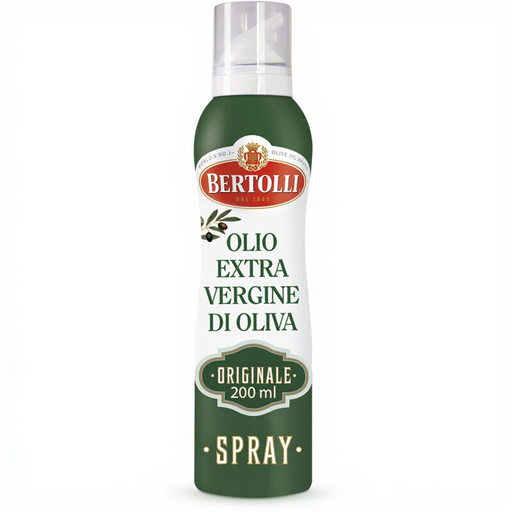
Why this suits the profile: The spray format is convenient for even application on salads, pasta and other dishes.
The packaging makes dosing easier, so you don’t automatically use a large glug. Do check the spray duration per use.
200 ml size; extra virgin according to the product description; designed for even dosing.
We’ve put together a full, up-to-date list of products that fully meet these strict selection criteria and comply with current European safety regulations.
That depends on the temperature and the instructions on the label. A mild olive oil is often chosen for hot cooking. Some extra virgin varieties are suitable for gentle sautéing, but not every oil works for deep-frying or very high temperatures. Always check the specific product information.
The practical shelf life depends on the date on the packaging, storage conditions and how often the bottle is opened. Store the oil tightly sealed, in a dark place away from heat. A change in smell or taste is a reason not to use the product any longer.
The price per millilitre may be lower with a larger bottle, but that’s only useful if you use the oil regularly. Compare the price per litre and also choose a size you can finish within a reasonable period. For occasional use, olive oil 500 ml can be more practical.
