
Vandaag of morgen in huis

Kwaliteit gegarandeerd

Welkomstaanbiedingen ontgrendelen: GRATIS bezorging | Tot 80% korting | Gratis 30 dagen JoyPlus-proefperiode
Download de app
You're standing in the supermarket aisle, staring at a wall of green bottles. The labels promise golden drops from sunny locales, but the choice is overwhelming. Which bottle of extra virgin olive oil is truly right for your salad, and which is better for dipping a piece of bread?
As a Joybuy Product Recommendation Officer, my job is to help you make an informed choice, without the marketing jargon. In this guide, we'll explore what to look for when buying olive oil and highlight some popular choices for 2026.
Before we dive into the products, here are a few practical tips to help you understand the differences.
The term extra virgin is a mark of quality. It means the olive oil is from the first pressing and has been obtained solely by mechanical means, without the use of heat. This process, also known as cold-pressed olive oil, ensures that the flavour, aroma, and nutrients of the olive are optimally preserved. According to EU standards, the acidity level must be below 0.8%. This type of oil is ideal for cold applications, such as a good olive oil for salad or as a dip.
The taste of olive oil is heavily influenced by the olive variety and the region of origin. Italian olive oil is often known for its grassy, sometimes peppery, and slightly bitter notes. Spanish olive oil is typically fruitier and milder in flavour. There is no 'better' origin; it's a matter of personal preference and the dish you plan to prepare.
Based on product specifications and their intended use, we have curated a selection of three different types of extra virgin olive oil.
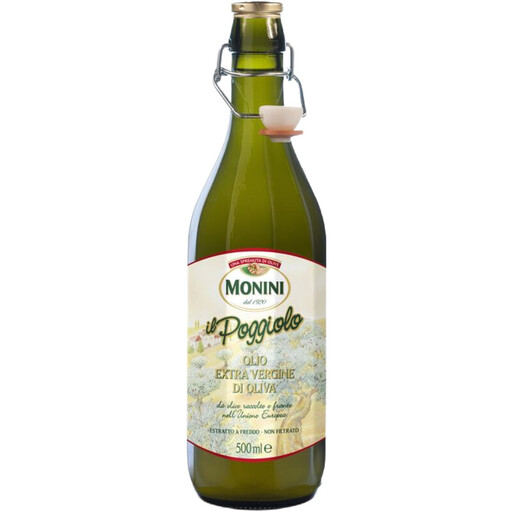
Why It Stands Out: This Italian olive oil from Monini is 100% unfiltered. According to the manufacturer, the oil goes straight from the press into the bottle, which ensures a distinct character. The natural cloudiness and possible olive sediment at the bottom are signs of this minimal processing.
Pros:
Who Is It For? For the enthusiast of a robust and intense olive oil flavour. Ideal for finishing dishes, such as drizzling over a bruschetta, a Caprese salad, or a piece of grilled fish.
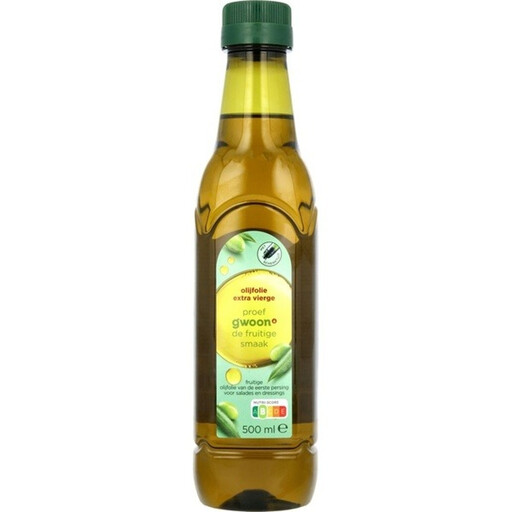
Why It Stands Out: G'woon offers a no-nonsense extra virgin olive oil that focuses on functionality and an accessible price point. It is a blend of olive oils of Spanish origin, obtained from the first pressing.
Pros:
extra virgin olive oil.Who Is It For? For the home cook looking for a reliable and affordable 500 ml olive oil for everyday dressings, marinades, and as a base for sauces.

Why It Stands Out:Bertolli olive oil is a well-known name in many kitchens. The Originale variant is designed as an all-rounder with a balanced flavour that is not too overpowering. This makes it a highly versatile oil.
Pros:
olive oil for salad, in dressings, as a flavour enhancer, or for dipping bread.Who Is It For? For anyone seeking a dependable and versatile extra virgin olive oil. It's an excellent choice if you want one bottle in the cupboard that works for most cold preparations.
These three options provide a great starting point, but the world of olive oil is vast and diverse. Are you looking for a different origin, a specific flavour, or another size? There are many more possibilities to discover.
View our full range of Virgin Oil here
The main difference lies in the production process and the acidity level. Extra virgin olive oil is cold-pressed and unrefined, with a low acidity level (<0.8%), resulting in more flavour and aroma. Regular olive oil (often labelled 'mild') is a blend of refined olive oil and a small amount of virgin olive oil. It is milder in flavour and more suitable for heating to higher temperatures.
Yes, you can, but with a caveat. Extra virgin olive oil has a lower smoke point (around 180-200°C) than refined oils. It is perfectly suitable for light frying and sautéing at low to medium heat. For deep-frying or cooking at very high temperatures, it's better to use an oil with a higher smoke point. Furthermore, the delicate flavours of a good extra virgin olive oil are lost during intense heating.
Olive oil has three enemies: light, air, and heat. Therefore, store the bottle in a cool, dark place, such as a kitchen cupboard (not right next to the stove). Ensure the cap is tightly closed after each use to minimise oxidation. A good extra virgin olive oil, when stored correctly, can retain its quality long after opening.
