
Evening viewer of dark mysteries
If you usually watch with the lights dimmed, pay attention to shadow detail and bright subtitles against a dark background. RTINGS.com discusses these factors in its TV picture tests.


For detective series in a darkened room, OLED is a natural technology to compare. If you also watch during the day, make sure you consider mini-LED too. RTINGS.com describes OLED as suitable for dark rooms, while mini-LED is often better suited to rooms with lots of ambient light. For each exact model, also check shadow detail, subtitles, reflections and viewing distance in your own set-up.
If you usually watch with the lights dimmed, pay attention to shadow detail and bright subtitles against a dark background. RTINGS.com discusses these factors in its TV picture tests.
If you also use your TV during the day, compare how well the screen handles incoming light and reflections from your seat. The Consumers’ Association includes both points when assessing televisions.
If you want to watch from different seats and follow dialogue through the TV or your existing audio equipment, check both the viewing angle and the devices’ audio connections.
If you mainly watch in the dark, start by looking at OLED. If you regularly watch in daylight, mini-LED is also worth comparing. Dark-scene performance and the visibility of reflections still depend on the exact model and your room.
Best for: mainly watching in the evening and prioritising black levels and dark detail.
Bear in mind: also assess reflections and brightness if you watch during the day. Displaying unchanged images for long periods carries a risk of image retention; an older Consumers’ Association test cannot predict how a current model will perform.
Best for: a home cinema that is also used in ambient light, when daytime visibility matters.
Bear in mind: check how the exact model controls its dimming zones; depending on the model, bright subtitles may show halos.
Best for: anyone considering an LCD TV who wants to assess black levels model by model.
Bear in mind: the QLED label alone does not prove that a TV has mini-LED backlighting or indicate how dark scenes will look.
| What to consider | What to look for | Who is this important for? |
|---|---|---|
| Dark scenes and subtitles | For the exact model, compare reviews covering black levels, shadow detail and halos around bright subtitles. | If you mainly watch detective series in the evening, you’ll want to assess dark detail and subtitles clearly. Around 34% of consumers make dark-scene performance their top priority. |
| Daylight and reflections | Check where your windows and lamps are, and compare screen reflections from your seat. | If you regularly watch during the day, visibility in ambient light matters alongside black contrast. Around 20% of consumers prioritise daytime visibility. |
| Screen size and seating | Measure your viewing distance and check that the picture remains comfortable to watch from the outer seats. The Consumers’ Association cites around 2.4 times the screen’s diagonal as a comfortable viewing distance. | If you want to watch comfortably from the sofa and other seats, start by measuring your room. Around 20% of consumers make screen size and seating their top priority. |
| Dialogue and external audio | Assess the sound quality of the exact model and check the connections on both the TV and your soundbar or receiver. HDMI eARC can pass TV audio through a single HDMI cable when the devices are compatible. | If you want to follow spoken clues clearly and connect existing audio equipment, check both devices. Around 13% of consumers prioritise dialogue and audio connections. |
| Streaming quality | Check that the title, subscription, app and any intermediary devices support your desired picture quality. | If you want to stream series in your preferred quality, you’ll need to check the entire playback chain. Around 13% of consumers make streaming compatibility their top priority. |
QLED is a type of LCD; the name alone doesn’t tell you which dimming technology a specific TV uses or how it displays black.
Check the screen technology and compare reviews of dark scenes using the full model code.
A TV’s specifications alone don’t determine the quality in which a series will play. The title, subscription and equipment you use all matter too.
Before choosing, check the title’s available quality, your subscription and any intermediary devices. Netflix recommends checking that your subscription and playback chain support your desired quality.
In the Netherlands, the seller’s legal responsibility for a faulty product is separate from the warranty period stated by the manufacturer.
Keep your proof of purchase and report any fault to the seller too. ACM ConsuWijzer explains your rights when a product is faulty.
A larger screen diagonal won’t automatically suit the viewing distance, available space or seating in your room.
Measure the distance between your sofa and the screen position, then compare screen size and viewing angle. Also check the energy consumption for the specific model instead of assuming a fixed annual cost.
According to LG Netherlands’ product information, the OLED55C68LA is a 55-inch OLED model with webOS.
The 55C7K represents QD mini-LED for anyone who also uses their TV in daylight.
According to Philips, the 55OLED760/12 combines a 55-inch OLED screen with Ambilight.
The QE55S90HAEXXN is a 55-inch OLED model for which Samsung highlights a screen designed to reduce reflections.
Sony describes the BRAVIA 9 II as an RGB LED option for anyone exploring brightness and a larger set-up.
This Joybuy selection includes OLED TVs for a set-up where dark-scene performance is a priority, with different screen sizes to compare against your viewing distance and available space. OLED carries a risk of image retention when unchanged images are displayed for long periods; the Consumers’ Association test from 2017 covered older models and cannot predict how these current models will perform.
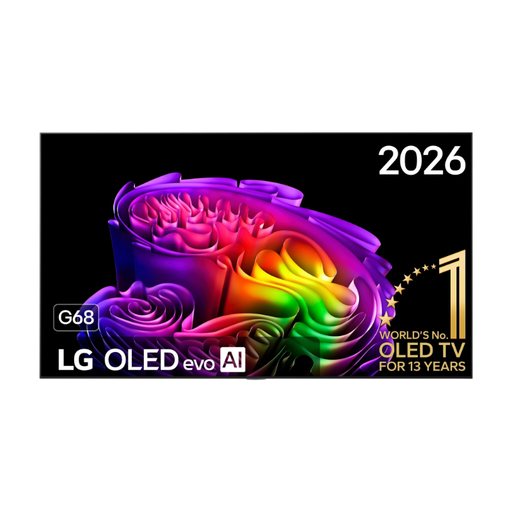 Image unavailable
A 77-inch OLED screen is an option to compare if you have a large home cinema set-up and dark-scene performance matters to you.
The product description lists Dolby Vision, Filmmaker Mode, Dolby Atmos and eARC; compare the screen size with your own viewing distance.
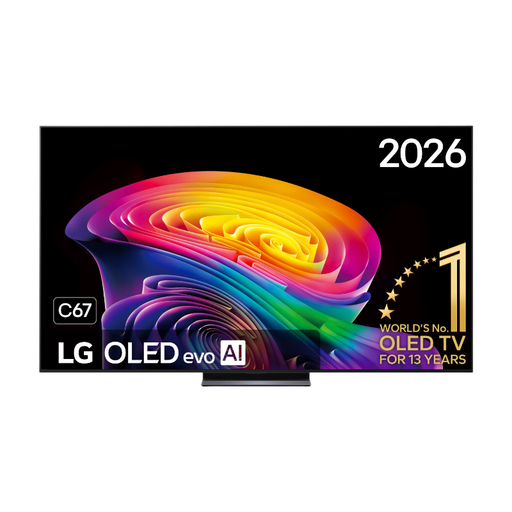 Image unavailable
This 83-inch OLED model is one to weigh up against the distance to your seats and the space available for the screen.
The product description lists 4K, Dolby Vision, 40 W integrated sound and four HDMI 2.1 ports.
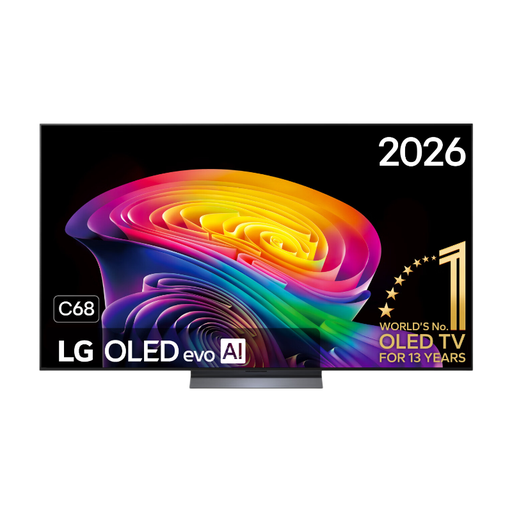 Image unavailable
The 65-inch OLED size is an option if dark-scene performance matters to you and you want to compare a larger screen with your viewing distance.
The product description lists 4K, Dolby Vision, HDR10, HLG and Dolby Atmos.
Image unavailable
This 55-inch OLED model is an option to compare if your viewing distance or available space calls for a smaller screen.
The product description lists 4K, Dolby Vision, HDR10, HLG, Dolby Atmos and eARC.
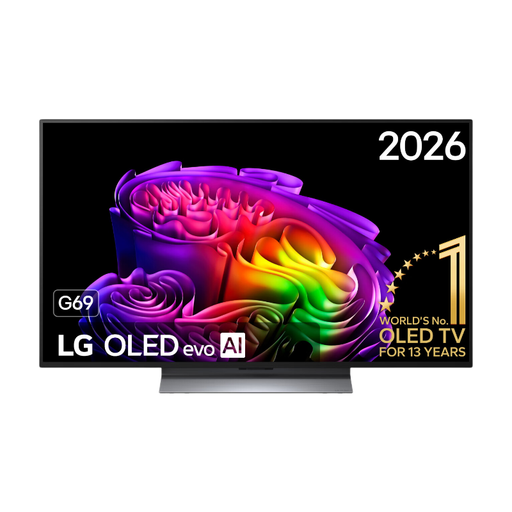 Image unavailable
The 48-inch OLED size is a smaller option to compare with your viewing distance and available space when dark-scene performance matters.
The product description lists 4K, Dolby Vision, HDR10, HLG, Dolby Atmos and eARC.
Measure the distance between your sofa and where the screen will go. The Consumers’ Association cites around 2.4 times the screen’s diagonal as a comfortable viewing distance; also check that the picture remains comfortable to watch from the outer seats.
Check which audio connections are available on both devices. If both support eARC, TV audio can be sent to a soundbar or receiver through a single HDMI cable; also check that your preferred audio formats are supported. HDMI Licensing Administrator describes eARC as a way to pass TV audio through a single HDMI cable.
Check the quality information for the title, your subscription and the playback equipment you use. Netflix recommends checking that your subscription and the devices in your playback chain support your preferred quality.
Compare the energy labels and stated consumption in kWh per 1,000 hours for the models you’re considering; also check the separate HDR information on the label. Your personal annual cost will also depend on your viewing hours and electricity tariff.
In the Netherlands, online TV purchases generally come with a statutory 14-day cooling-off period from delivery, subject to applicable exceptions. If a product is faulty, the seller is responsible under the statutory guarantee; a stated manufacturer’s warranty period does not automatically limit those rights. ACM ConsuWijzer explains these consumer rights.