
Evening film watcher
You mainly host film nights and want dark scenes to look good from other seats too.


For film nights with guests, OLED is a natural choice if deep blacks and viewing from different seats matter to you. If the room is often bright during the day, compare bright LCD and mini-LED TVs too. For the exact model, also check reflections, screen size, sound and connections.
You mainly host film nights and want dark scenes to look good from other seats too.
You sometimes watch during the day and weigh up brightness and distracting reflections against picture quality on a film night.
You want a screen large enough for your guests, but viewing distance, available space and overall cost limit your options.
A good fit if: dark films and viewers in different seats are your priorities, and you can limit daylight falling on the screen.
Trade-off: check the brightness and reflections of the exact model if you also watch during the day.
A good fit if: visibility in daylight matters, or you want to compare different screen sizes.
Trade-off: dimming, viewing angles and picture processing vary by model. Check dark scenes and the seats beside the screen too.
A good fit if: your budget is the bigger priority and you’ll mainly watch from directly in front of the TV.
Trade-off: compare the contrast, reflections, sound and energy label of models that suit your room.
| What to consider | What should you check? | Who should pay particular attention? |
|---|---|---|
| Contrast and viewing angle | Compare exact models when watching dark films and from your planned seating positions. Consumentenbond generally describes OLED as a technology with deeper blacks and a wider viewing angle. | If I’m watching films with guests, I want dark scenes to look good from the seats at either end of the room too. Around 40% of consumers give film contrast top priority. |
| Daylight and reflections | Check where windows and lights are reflected in the screen, and compare the brightness and reflection handling of specific models. Milieu Centraal recommends positioning the TV so that the screen isn’t exposed to too much daylight. | When I watch during the day, I want to follow the picture without incoming light overwhelming it. Around 30% of consumers prioritise visibility in daylight. |
| Screen size and seating | Measure the distance from your seats to the screen position and check the viewing angle from the seats at either end. Consumentenbond suggests around 2.4 times the screen diagonal as a comfortable starting point, not a fixed rule. | When I have guests over, the screen needs to suit the room and be visible from different seats. Around 20% of consumers start by considering screen size and seating. |
| Sound and energy use | Compare sound ratings, the connections you need and the energy label, including kWh per 1,000 hours and HDR information. FWD describes sound as a trade-off for which an external solution may be an option. | If I want to keep track of the total cost, I’ll also factor in any extra sound equipment and electricity use. Around 10% of consumers give total cost top priority. |
QLED is a type of LCD; dimming and picture processing vary by TV. Consumentenbond describes OLED and LCD as different screen technologies.
Compare specific OLED, LCD and mini-LED models in the viewing conditions you have at home.
Viewing distance, seats at an angle and incoming light all affect what your guests see.
Measure your set-up and assess the TV from all the seats you plan to use. Also look out for windows and lights that could be reflected in the screen.
The energy label also shows consumption per 1,000 hours and separate information for HDR.
Compare energy use on the same basis, and check whether the built-in sound suits your film nights.
The C6 series in the Netherlands is an OLED option to compare for film contrast and daytime use.
The C8K series in the Netherlands offers a QD Mini-LED option to compare with OLED.
The 65-inch QN90F in the Netherlands is a Neo QLED mini-LED option to compare with OLED and other LCD TVs.
The 65OLED810/12 combines OLED with Ambilight, which may be worth considering if you like this lighting effect during film nights.
The K-65XR5 from the BRAVIA 5 range in the Netherlands is a 65-inch mini-LED option.
This selection includes OLED TVs and an LCD model, with screen sizes from 55 to 83 inches. Compare the size with your viewing distance and check which picture and connection features you need for your film nights.
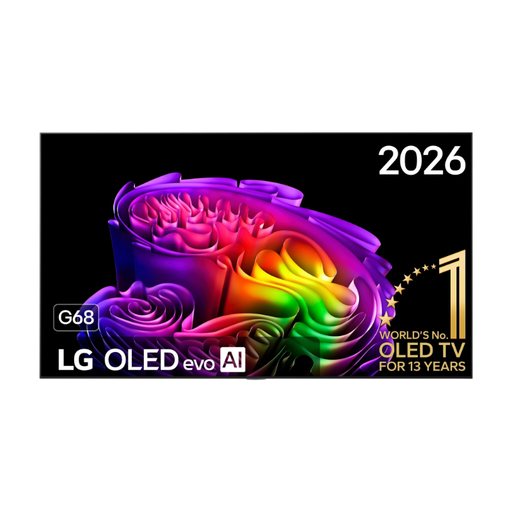 Image unavailable
The 77-inch size may suit you if you’re looking for a large screen for film nights. Measure your viewing distance and available space first.
The product description lists 4K OLED, Dolby Vision, 120Hz native and Reflection Free Premium. These are product specifications, not an independent measurement of reflections.
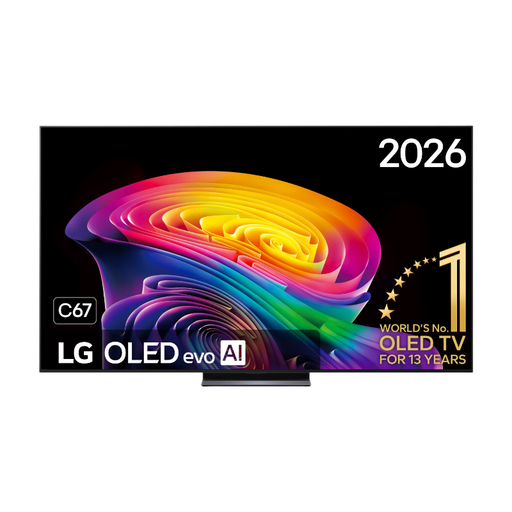 Image unavailable
This 83-inch OLED TV is worth considering if your viewing distance and available space can accommodate a large screen.
The product description lists 4K, Dolby Vision, 120Hz native and four HDMI 2.1 inputs.
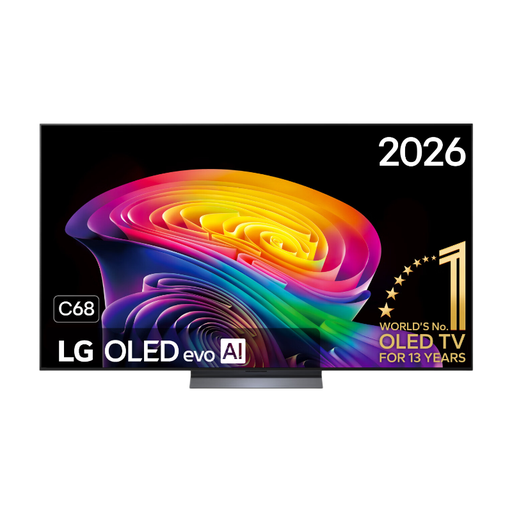 Image unavailable
The 65-inch size may suit you if you’re looking for an OLED option for film nights. Check your viewing distance before choosing a size.
The product description lists 4K, Dolby Vision, 120Hz native, Dolby Atmos and four HDMI 2.1 inputs.
Image unavailable
This 55-inch OLED TV gives you another size to consider in relation to the distance between your seats and the screen.
The product description lists 4K, 120Hz native, Dolby Vision, Dolby Atmos and four HDMI ports.
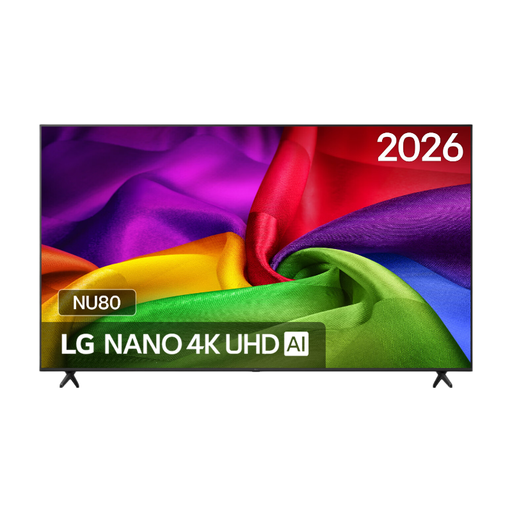 Image unavailable
This LCD model is worth considering if you want to compare OLED with another screen technology for watching films.
The product description lists 4K, direct backlighting, HDR10, HLG, Filmmaker Mode and three HDMI inputs.
Not every film or broadcast shows visibly more detail in 4K. The source also needs to be available in 4K, so consider resolution alongside screen size and viewing distance.
Measure the distance from your seats to the screen position. Consumentenbond suggests around 2.4 times the screen diagonal as a comfortable starting point. Also check the view from the seats at either end, and avoid direct daylight on the screen where possible.
Check the connections on the exact TV and the soundbar you plan to use. Sony specifies eARC for the K-65XR5; that tells you nothing about the connections on other models.
For each model, compare the energy label’s kWh per 1,000 hours and the separate HDR information. Multiply the relevant energy use by your expected viewing hours and your own electricity rate.
For online purchases, ACM ConsuWijzer says you often have a 14-day cooling-off period after delivery; check the applicable terms and conditions. If you buy a new, similar TV as a private customer, the Dutch government says the retailer must take back your old TV free of charge, including when you buy online.