
Fan of films with dark scenes
You mainly watch films in the evening and pay close attention to black detail and halos around stars or subtitles. RTINGS covers these considerations when discussing TVs for dark rooms.


For adventure films in a dark room, OLED is an obvious first choice if deep blacks and reducing halos around small points of light are important to you. RTINGS describes OLED as well suited to watching in a dark room. If you also use your TV often in a bright room or for long periods with static on-screen elements, mini-LED is worth considering. Check the local dimming performance of the specific model. With either technology, also check the screen size, the HDR formats supported by your film source and the space available for your sound system.
You mainly watch films in the evening and pay close attention to black detail and halos around stars or subtitles. RTINGS covers these considerations when discussing TVs for dark rooms.
You watch films in the dark, but also use the same TV in daylight or for long periods with static on-screen elements. How you use it may influence your choice between OLED and mini-LED.
As well as contrast, the right screen size, positioning and connection to your sound system are important. Sony lists dimensions and the VESA size, among other details, for the K-65XR8M2.
Best suited to: watching a variety of films in a dark room, with a strong emphasis on black levels.
Trade-off: prolonged, repeated display of static on-screen elements remains a consideration. RTINGS stresses that accelerated tests are not the same as a typical film night.
Best suited to: a TV that is also used regularly in daylight, or where prolonged static images are a factor in your decision.
Trade-off: the display of dark details depends in part on the local dimming performance of the specific TV. A stated number of zones does not guarantee a halo-free picture.
| What to consider | What should you check? | Who is this most relevant to? |
|---|---|---|
| Black levels and halos | With mini-LED, watch dark scenes with subtitles and small points of light. Assess the specific model rather than looking only at the number of dimming zones. | If I mainly watch in a dark room, I want to see dark details without distracting halos. Around 39% of consumers say black levels are their top priority. |
| Film source and HDR | Check whether the specific TV model supports the HDR formats used by your streaming service, player or receiver, and which HDMI and audio connections you need. | If I watch films using my own player or service, I want to know whether the source and TV work together to deliver the picture I want. Around 23% of consumers put the film source and picture quality first. |
| Size, positioning and sound | Measure the available width and height. Also check the dimensions with the stand, the VESA size for wall mounting and the space available for a soundbar. | If I want the TV to fit my viewing space and sound system, the actual external dimensions matter more than the screen diagonal alone. Around 23% of consumers start with size, positioning or sound. |
| Mixed use and energy consumption | Consider how often the TV is used for films, in daylight and with static images displayed for long periods. To compare energy consumption, check the energy label for the specific model, in kWh per 1000 hours. | If I also use the TV during the day or display the same static images for long periods, I want to consider this mix of uses alongside films. Around 15% of consumers prioritise versatile use, energy consumption or prolonged static images. |
The control and precision of local dimming can affect how subtitles and small points of light appear in dark scenes. A series specification stating “up to” does not necessarily apply to every screen size.
You can watch a demonstration or review of the specific mini-LED model showing dark scenes and subtitles.
An accelerated test showing the same image for a long time does not directly predict what happens when you watch a variety of films. Prolonged static use is still a consideration with OLED.
Base your choice on how you actually use your TV, and distinguish between watching films and displaying the same static elements repeatedly for long periods.
The stand, screen width and space for a soundbar can all affect where you can put the TV. These measurements are different from the screen diagonal.
Measure your unit or wall and check the dimensions of the specific model before ordering.
The OLED55C68LA from the C6 series is an OLED model for anyone who values a dark picture when watching films.
The 55OLED811/12 combines OLED with Ambilight for viewers who also want lighting around the screen.
The K-65XR8M2 is a 65-inch OLED model with stated dimensions for placing on furniture or mounting on a wall.
The 55C7K is a mini-LED model with local dimming for anyone who also uses their TV outside a dark film-watching environment.
The QE55QN90FATXXN is a 55-inch Neo QLED mini-LED model to consider as part of your comparison.
These models are OLED options for watching films in a dark room. Choose a screen size to suit your viewing space and check that the connections and HDR formats work with your equipment.
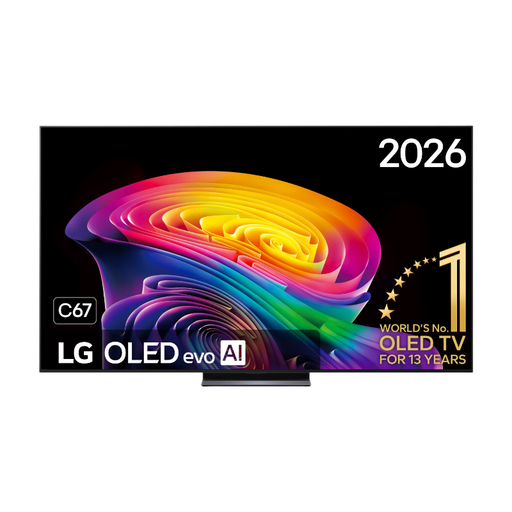 Image unavailable
This OLED model is an option for films in a dark room. When choosing, also make sure you have enough space for an 83-inch screen.
The product name lists 4K, Dolby Vision, Filmmaker Mode and an α11 AI Processor 4K Gen3.
Image retention remains a consideration with OLED if static on-screen elements are displayed repeatedly for long periods.
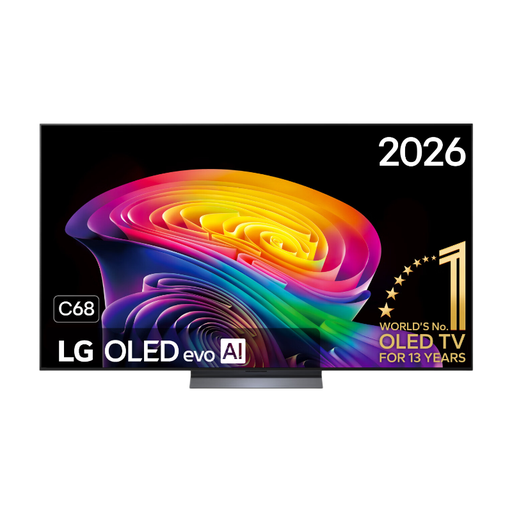 Image unavailable
This 65-inch OLED model could suit film-watching in a dark room. Check that the size works for your viewing space and set-up before buying.
The product information lists 4K, Dolby Vision, HDR10, HLG and Filmmaker Mode.
Image retention remains a consideration with OLED if static on-screen elements are displayed repeatedly for long periods.
Image unavailable
This 55-inch OLED model is an option for dark film scenes. Compare the screen diagonal with your viewing distance and available space.
The product information lists 4K, Dolby Vision, HDR10, HLG and Filmmaker Mode.
Image retention remains a consideration with OLED if static on-screen elements are displayed repeatedly for long periods.
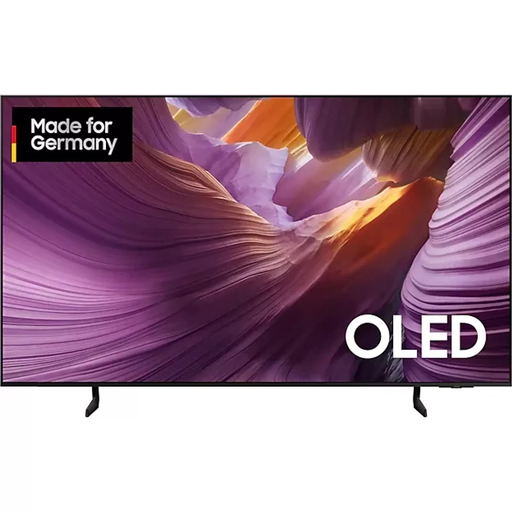 Image unavailable
This 55-inch OLED model is worth considering for films in a dark room. Check that it will fit your space and has the connections you need for your devices.
The product information lists a 4K OLED panel and four HDMI ports.
Image retention remains a consideration with OLED if static on-screen elements are displayed repeatedly for long periods.
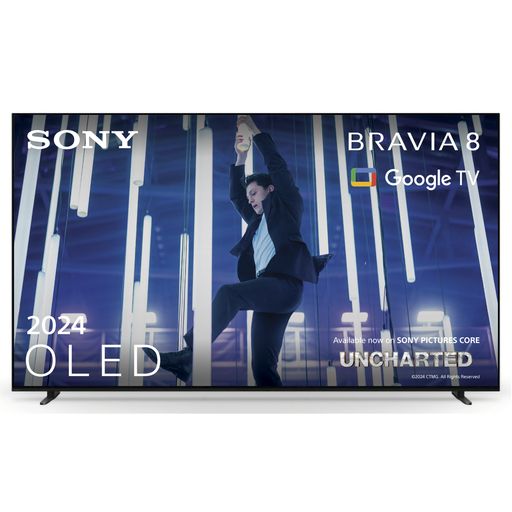 Image unavailable
This 65-inch OLED model is an option for watching films in a dark room. Check that the size and stand suit your set-up.
The product information lists 4K HDR and Acoustic Surface Audio+.
Image retention remains a consideration with OLED if static on-screen elements are displayed repeatedly for long periods.
No, mini-LED can also be used in a dark room. According to RTINGS, the display of dark scenes depends in part on local dimming. To assess halos, look closely at small bright details and subtitles on the specific model.
For the specific model, check its width and height with the stand, the space available for a soundbar and, for wall mounting, the VESA size. Sony lists these details separately for the K-65XR8M2.
Displaying the same static on-screen elements repeatedly for long periods is worth bearing in mind. RTINGS describes permanent image retention in an accelerated test involving static use, but those conditions are not the same as watching a variety of films as you normally would.
Compare the energy label for the specific screen size and check the stated consumption in kWh per 1000 hours. The European Commission specifies this unit for the energy consumption of electronic displays.
Yes. According to the European Commission, energy-labelling rules apply to electronic displays, including televisions. An energy rating alone does not tell you which TV is the right choice for every viewer.