
Viewers on a wide sofa
If you watch with others from different seats, you’ll want faces and costumes to look convincing from the side too. RTINGS highlights the importance of a wide viewing angle for a spacious seating arrangement.


If several people sit at an angle to the TV and dark scenes matter, OLED is a sensible option to compare. OLED TVs generally offer a wide viewing angle and deep blacks. An LCD TV may suit you if budget or daytime viewing is more important, but check the panel type and viewing angle for the exact version. Also compare reflections and screen size from your seats.
If you watch with others from different seats, you’ll want faces and costumes to look convincing from the side too. RTINGS highlights the importance of a wide viewing angle for a spacious seating arrangement.
If you often watch in dim lighting, black levels and detail in dark interiors can be important considerations. The Consumers’ Association describes deeper blacks as a feature of OLED TVs.
If you also watch during the day, weigh up the viewing angle against reflections and ambient light. The Consumers’ Association highlights brightness as something to consider for TVs used in bright conditions.
Choose this when: several viewers regularly sit at an angle and dark scenes matter. Compare the viewing angle and reflections for the exact version.
Trade-off: consider light levels and purchase cost separately, alongside black levels and viewing angle.
Choose this when: a spacious seating arrangement matters and OLED is outside your budget. Check that the screen size you choose actually has an IPS panel.
Trade-off: RTINGS generally describes IPS panels as offering a wider viewing angle than VA, but with lower contrast.
Choose this when: the main seat is directly in front of the TV. If others will be watching from the side, look for a test of the exact model.
Trade-off: RTINGS generally describes VA panels as having a narrower viewing angle than IPS, so the picture may change when viewed from the side.
| What to consider | What should you check? | Who does this matter most to? |
|---|---|---|
| Picture from the side seats | Compare viewing-angle tests for the exact screen size and assess the picture from the furthest seat to the side. | If I’m sitting with others spread across the sofa, I want colour and brightness to hold up from the furthest seat. Around 36% of consumers rank viewing angle first. |
| Dark scenes | Compare black levels and shadow detail in the lighting conditions you watch in, including from a side seat. | For dark interiors, I want to follow shadow detail without losing sight of black levels. This is the main priority for around 29% of consumers. |
| Reflections during the day | Check tests of the exact version and look out for windows and lamps opposite the screen. | If I also watch during the day, I want to take reflections and ambient light into account. Around 21% of consumers give priority to light levels. |
| Screen size and cost | Measure the distance from your usual seats and compare screen size, energy label and installation terms. | I want a screen size that suits my viewing distance and budget. For around 14% of consumers, screen size and cost come first. |
These names alone don’t tell you which LCD panel is used in the version you’ve chosen. IPS and VA panels generally differ in viewing angle and contrast.
Check the panel type for the exact screen size and look for a viewing-angle test of that model.
Reflections and black levels matter differently in a bright living room than when watching a drama in dim lighting.
Assess the TV in both lighting conditions and take your usual seating positions into account.
An optional warranty package is separate from your statutory rights. According to ACM ConsuWijzer, the retailer is your point of contact if a product is faulty.
Read what the additional cover includes and which types of damage or situations are excluded.
An optional warranty or protection package comes at an extra cost; terms vary by offer.
The Dutch B6 and C6 OLED models are useful options to compare if you watch from the side. LG also offers QNED LCD models.
The Dutch 55OLED811/12 is an OLED TV with Ambilight that you can include in your comparison.
The Dutch BRAVIA 8 II offers a QD-OLED option to compare if you’re weighing up colour, contrast and seating positions together.
The S95H is a model to include when comparing OLED TVs for different lighting conditions.
TCL’s LCD and Mini LED models offer alternatives for buyers with different priorities around cost or brightness.
This Joybuy selection features OLED TVs for viewers who take dark scenes and off-angle viewing into account. Compare the exact version for viewing angle and reflections, and choose a screen size that suits your viewing distance.
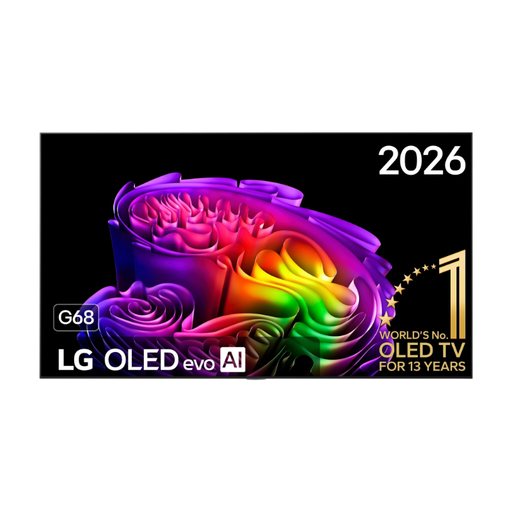 No image available
OLED is a useful option to compare if viewers sit at an angle and dark scenes matter. The Consumers’ Association generally describes OLED TVs as offering a wider viewing angle and deeper blacks.
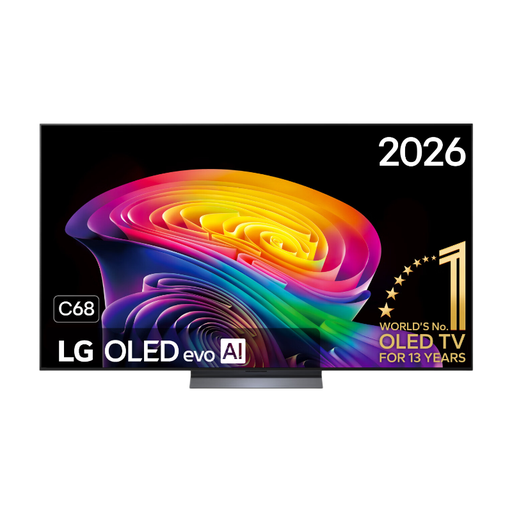 No image available
OLED is a useful option to compare if viewers sit at an angle and dark scenes matter. Also check the viewing angle and reflections for the exact version.
The product title lists 65 inches, OLED evo, C6 and 4K.
No image available
OLED is a useful option to compare if viewers sit at an angle and dark scenes matter. Also check the viewing angle and reflections for the exact version.
The product title lists 55 inches, OLED evo, C6 and 4K.
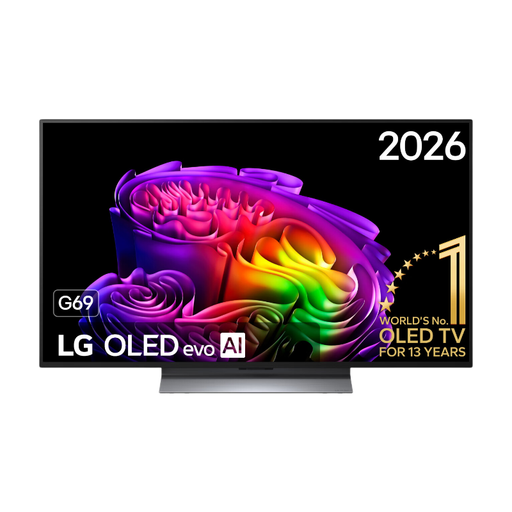 No image available
OLED is a useful option to compare if viewers sit at an angle and dark scenes matter. Also check the viewing angle and reflections for the exact version.
The product title lists 48 inches, OLED evo, G6 and 4K.
No image available
OLED is a useful option to compare if viewers sit at an angle and dark scenes matter. Also check the viewing angle and reflections for the exact version.
The product title lists 55 inches, OLED evo, G6 and 4K.
Compare a horizontal viewing-angle test for the exact TV and screen size. Look separately at colour shifts, loss of brightness and black levels. The panel type alone doesn’t tell you how the full model performs.
4K can show extra detail if the content you’re watching includes it. According to the Consumers’ Association, the difference from Full HD isn’t always easy to see in practice, so consider viewing angle and viewing distance too.
No. ACM ConsuWijzer explains that your statutory rights in the Netherlands exist alongside a manufacturer’s warranty and depend on what you could reasonably expect from the product under normal use. If a product is faulty, the retailer is your point of contact.
Compare the current EU energy label for the exact version. The scale for televisions runs from A to G; EPREL provides additional information for each model.