Who is this approach for?

Photographing shiny keys

You want to show the shape and condition of metal keys without bright reflections washing out important areas. That makes the position and diffusion of the light key considerations. Open Heritage and Canon Europe explain how the direction and diffusion of light affect how objects appear.

Recording wear and details

You’re capturing markings, teeth and signs of use, and want to compare overview and close-up shots. A repeatable camera angle and targeted lighting help you take comparable images. The Cultural Heritage Agency of the Netherlands recommends photographing objects in the same way as far as possible.

Using a shared workbench

You need to be able to set up and put away your equipment between tasks. Mounting, power supply and cable routing all affect how much room the light takes up. Manufacturer information from Aputure, NEEWER and Ulanzi lists different accessories, power options and mounting choices.

What should you look for when choosing?

What to consider What should you check? Who is this important for?
Reflections and relief Check whether you can direct the light and which diffuser or light shaper comes with the model. Take a test shot of a shiny key and a worn one. If you want to move reflections without flattening the teeth or signs of wear, getting the balance right is key. Around 31% of consumers in this situation put controlling reflections first.
Small details In a close-up, check whether you can angle the panel and whether markings and signs of use remain visible. If you want to compare teeth, markings and wear clearly, look for targeted lighting and a consistent camera angle. Around 25% of consumers give visible details top priority.
Space and storage Measure the setup area and check the mounting options, included stand, power supply and cable routing for the model you’re considering. If you share the workbench and want to put the light away after use, compact mounting and a suitable power solution matter. Around 25% of consumers prioritise keeping their workspace clear.
Consistent lighting Check whether brightness and white light are adjustable. Keep the light position and camera white balance the same, and limit mixed ambient light. A fixed setup is important for a series of record photographs with consistent colour and exposure. Around 19% of consumers choose consistent colour as their main consideration.

Common mistakes

  • Trying to eliminate every reflection with the softest possible light

    Soft, flat light can also reduce the shadows that help show wear and relief.

    Take a test shot and adjust both the light position and diffusion. Choose a setting that keeps reflections off important details while leaving the surface texture visible.

  • Expecting a stated light output to give the same result at any distance

    Aputure specifies a maximum of 5070 lux at 1 m and 5600 K for the amaran P60x. Those measurement conditions don’t automatically reflect the light on a key on your workbench.

    Only compare light output at the same distance and settings, and assess the result at your own shooting distance.

  • Assuming a package includes everything you need

    According to the manufacturer, NEEWER sells the NL660 with or without a stand; a compatible NP-F battery is not included.

    Check the packing list, power requirements and suitable mounting options for the exact model.

    Depending on the package, you may need a separate stand or suitable battery to use the setup.

Brands to consider

Godox

The P260C Pro is a larger, adjustable bi-colour panel with built-in diffusion and several power options.

  • Godox lists a diffuser, a colour temperature of 2800–6500 K and a maximum input power of 45 W for the P260C Pro.
  • These specifications don’t predict how reflections will appear on your keys. Check the power supply and mounting options for the exact model.
  • Godox provides a model-specific declaration of conformity; check that the version on offer matches the model listed.

amaran

The P60x is a panel for anyone who wants to use separate light shapers to control the light.

  • Aputure lists a colour temperature of 3200–6500 K and an included softbox and grid for the P60x.
  • The stated 5070 lux applies at 1 m and 5600 K; it isn’t a measurement taken on a workbench. Also consider how much space the light shaper will take up.
  • Aputure provides model-specific CE information. Check the marking and information for the exact model.

NEEWER

The NL660 is an adjustable panel with a diffuser. The package you choose determines which mounting accessories are included.

  • NEEWER lists a colour temperature of 3200–5600 K, dimming, a diffuser and a mains adapter for the NL660.
  • According to NEEWER, the compatible NP-F battery isn’t included; whether a stand is supplied depends on the package you choose. Check the packing list and conformity information for the exact model.

Ulanzi

The VL81 is a compact, rechargeable light for a small or temporary shooting space.

  • Ulanzi lists a built-in 3000 mAh battery, adjustable white light from 3200–5500 K and a 1/4-inch thread beneath the cold shoe.
  • A compact size doesn’t prove that the light can provide soft, even coverage for an entire setup as the only light source. Check coverage at your shooting distance and review the information for the exact model.

Lighting products for photography

This selection includes compact photography lights and some related lighting solutions; not all of them are LED panels. Compare the mounting options, light shape and available workspace you need, and check the relevant product information for the exact model.
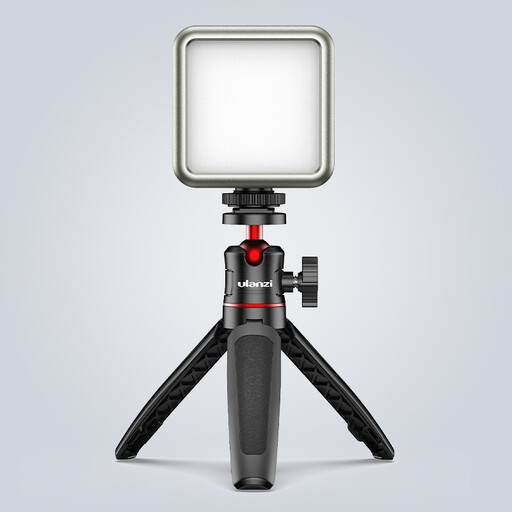
Ulanzi VL49 RGB video light with battery and magnet

Ulanzi VL49 RGB video light, 2000 mAh

A compact option for positioning light in macro and product photography; the title also mentions a magnet on the back.

RGB; 2500–9500 K; 2000 mAh battery.

Check that the mounting options and conformity information match the exact model.

View at Joybuy
Ulanzi LM001 compact magnetic LED photography light

Ulanzi LM001 mini fill light

A compact photography light for when you need a magnetic mount or 1/4-inch thread.

The product description lists a rechargeable battery, magnetic base and 1/4-inch thread; the product title specifies a 500 mAh battery.

Check that the mounting options and conformity information match the exact model.

View at Joybuy
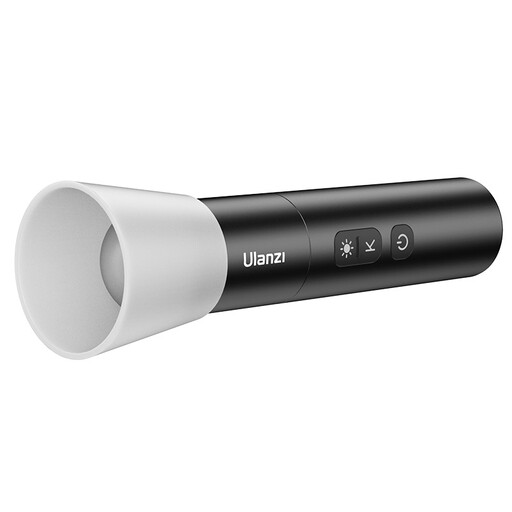
Ulanzi LM07 portable bi-colour photography and video light

Ulanzi LM07 bi-colour light

A portable option if you want to adjust the beam for different shooting setups.

2000–5500 K; four brightness levels; 2000 mAh battery; 187 g. The product information mentions an adjustable beam.

Check that the beam and mounting options suit your shooting distance and available space.

View at Joybuy
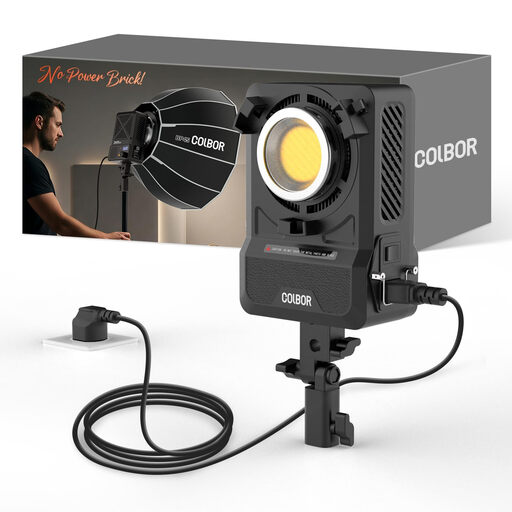
COLBOR 200W bi-colour COB studio light with Bowens mount

COLBOR 200W bi-colour COB studio light

A studio lighting option for photography with a Bowens mount; this is a COB light, not an LED panel.

200 W; 2700–7000 K bi-colour; Bowens mount. The product information mentions a built-in power adapter design and adjustable brightness.

Check that the light and any required light shaper will fit in your shared workspace.

View at Joybuy
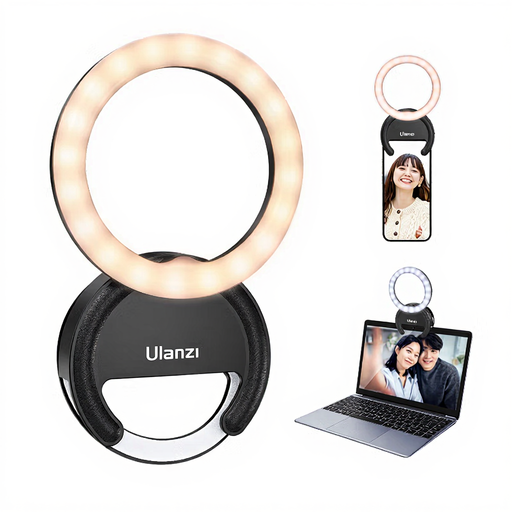
Ulanzi 4-inch phone ring light

Ulanzi 4-inch phone ring light

A small ring light for smartphone photography; it isn’t a panel for a setup with a separate light source beside the key.

Three colour temperatures from 3000–7000 K and five brightness levels.

Check that the smartphone mount suits the way you photograph the key.

View at Joybuy

Frequently asked questions

How should you start lighting a shiny old key?

Take a test shot and move the light source until the reflection no longer falls across important details. Try diffusion, but use the direction of the light to retain enough contrast to show the relief; assess the result in the photograph.

Should you take one overview shot or close-ups too?

Take an overview shot and add close-ups if the teeth, markings or wear aren’t otherwise clearly visible. Keep the background, angle and lighting as consistent as possible if you want to compare images; the Cultural Heritage Agency of the Netherlands recommends photographing objects in a consistent way.

What should you consider when using a shared workbench?

Check that the support fits securely, and route power cables so nobody can pull on them or trip over them. Aputure also recommends disconnecting the P60x before cleaning and letting it cool down before storage.

Does an LED panel need a CE marking?

The Netherlands Food and Consumer Product Safety Authority says CE marking is compulsory for electrical products covered by the applicable product regulations. The marking doesn’t prove that a panel is suitable for your photography. Check the marking and conformity information for the exact model; a declaration for a different model isn’t sufficient.

What warranty applies to a panel you buy in the Netherlands?

According to the Dutch Government, if a consumer product is faulty, you have statutory rights against the seller, but the Netherlands has no fixed statutory warranty period. Any manufacturer’s warranty is additional to, and separate from, those statutory rights; consumer rules also depend in part on the capacity in which you buy.
