
Offline project builder
You want to open recipes, code and instructions locally, and keep a copy of your work. GitHub Docs explains how to copy a repository to your own computer; SQLite can store data in a single local database file.


For a recipe organiser with offline documentation, the key is to make your project files, required tools and documentation available locally in advance; storage alone won’t do this automatically. Then choose a laptop based on the development tools you want to use, how much code and documentation you’ll keep open at once, and whether you’ll be carrying it around often. Extra memory, storage or screen space is only worthwhile if your files and workflow will benefit from it.
You want to open recipes, code and instructions locally, and keep a copy of your work. GitHub Docs explains how to copy a repository to your own computer; SQLite can store data in a single local database file.
For example, you keep an editor, test results and documentation open side by side. Compare the memory and usable screen space of the exact laptop configuration, as Visual Studio Code notes that development work may require additional tools.
You want to take your project with you, so size, ports and the conditions behind the stated battery life also matter. For example, compare the ports on the configuration you’ve chosen with the peripherals you want to connect.
Start with what you need to have available locally to keep working: a repository, the relevant documentation and any development tools. GitHub Docs explains how to clone repositories locally; SQLite can store data in a single local file and documents a way to create a copy of it.
| What to consider | What to check before buying | Who it’s for |
|---|---|---|
| Local files and documentation | Compare the SSD capacity with your project, documentation and any recipe photos. Make files and tools available locally in advance, and try your workflow without a network connection. | If you want to access your project without an internet connection, offline access is the top priority for consumers like you; around 36% put this need first. |
| Using code and tests at the same time | Compare the memory and screen of the exact configuration with the tools you want to run and the windows you want to view side by side. | If you want to use an editor, documentation and test results side by side, developing with several things open is the top priority for consumers like you; around 29% put this workspace first. |
| Working in different places | Compare the screen size and ports with what you plan to take with you. Assess the stated battery life against the manufacturer’s conditions; don’t treat it as a guaranteed runtime while coding. | If you regularly use your laptop away from your usual workspace, portability matters most to consumers like you; around 21% put this need first. |
| Weighing up purchase and support | Compare full product numbers, configurations and included components. Consider any additional service separately from your statutory rights. | If you want to compare configurations and service terms carefully, purchase and aftercare are the top priority for consumers like you; around 14% consider this the most important factor. |
An SSD stores files, but it won’t automatically download documentation, repositories or additional development tools. An editor may also need extra tools to support your workflow.
Make a list in advance of the files and tools you’ll need offline, store them locally, and try a typical work session without an internet connection.
Memory, storage, operating system and included components can vary between configurations. The model name alone doesn’t tell you which configuration you’re buying.
Compare the full model and product number, and check the specifications of the exact configuration.
A paid service package is an add-on. According to the Dutch government, the retailer is responsible for resolving problems with a product; the Netherlands has no fixed statutory warranty period.
Check exactly what additional cover the service package provides before paying for it.
The 13-inch MacBook Air with M5 in the Netherlands is a macOS option for anyone looking for a compact development laptop.
The ProBook 4 G2ah configuration DW5R5EA#ABH is a Windows example to compare if you use several local tools.
The Aspire Go 15 configuration NX.JRREH.00M is a Windows option to compare if you’re looking for a larger built-in screen and local storage.
The configurable Dell 14 Plus DB14250 is a Windows option if you want to put together your own configuration.
The ThinkPad E14 Gen 7 (AMD) is a Windows range worth exploring if memory upgrades, storage options and ports are important to you.
These laptop options are suited to storing project files and documentation locally, with different screen sizes and configurations to weigh up against the development tools you use.
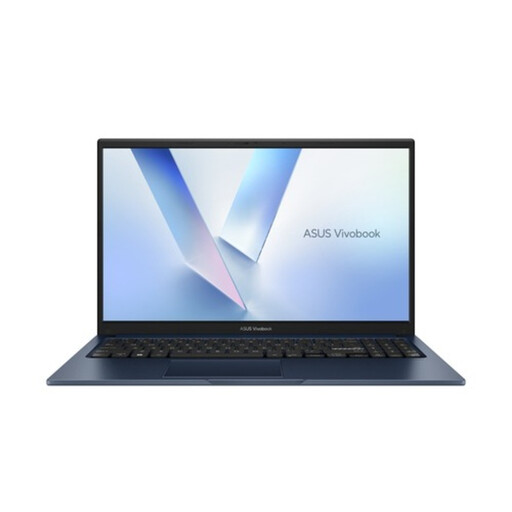 No image available
This 15.6-inch configuration gives you built-in screen space for code and documentation; check that the memory and storage suit your tools and files.
8 GB RAM; 256 GB SSD; 15.6-inch screen; QWERTY keyboard.
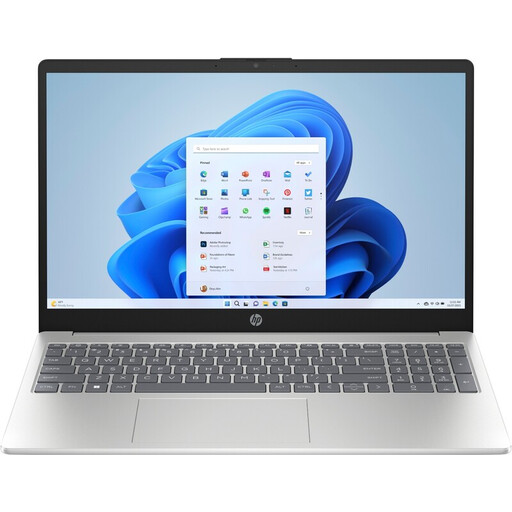 No image available
This 15-inch configuration has SSD storage for local files; compare the 8 GB of RAM with the development tools you plan to use.
Intel Core 5 120U; 8 GB DDR5; 512 GB SSD; 15-inch screen; Moonlight Blue.
 No image available
This 18-inch configuration offers plenty of built-in screen space; compare its size and specifications with what you need for your organiser.
AMD Ryzen AI 7 350; 16 GB DDR5; 1 TB SSD; 18-inch WQXGA 165Hz IPS screen; Windows 11 Home.
 No image available
The 15.6-inch screen gives you room to view code and documentation; check that 8 GB of RAM and a 256 GB SSD suit the way you’ll use it.
Core 3 304; 8 GB RAM; 256 GB SSD; 15.6-inch screen; QWERTY keyboard.
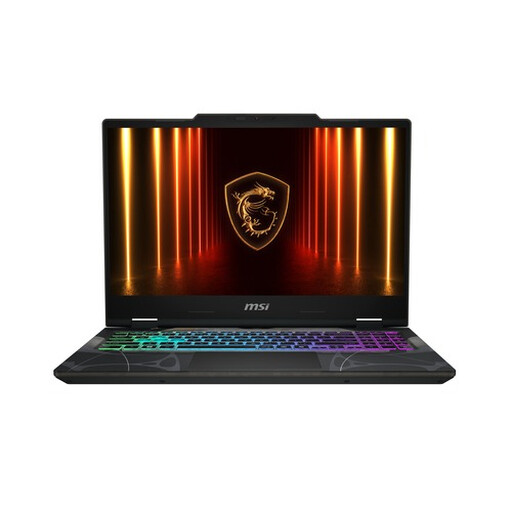 No image available
This configuration combines a 15.6-inch screen with SSD storage for local project files; compare its specifications with the tools you actually plan to run.
Intel Core i5-13420H; 16 GB DDR5; 512 GB SSD; 15.6-inch FHD 144Hz screen; Windows 11 Home.
Not necessarily: you can clone a repository locally, and SQLite can store data in a single local file. These are choices about how to set up your project; make sure you have the tools, documentation and files you need stored locally in advance.
Keep a separate backup and test that you can restore it. If you use SQLite while the database file is open, SQLite describes a backup API for creating a copy; relying on the internal SSD alone isn’t a backup strategy.
In S mode, you can only use apps from the Microsoft Store. According to Microsoft, if you need an app that isn’t available there, you’ll have to switch out of S mode permanently; check before buying whether the laptop is supplied in S mode.
For a qualifying distance purchase made by a consumer from a business, you generally have 14 days to change your mind. According to the Dutch government, if a product is faulty, the retailer is your point of contact for your statutory warranty; the Netherlands has no fixed statutory warranty period. Check the terms that apply to your purchase.
Not automatically: the Dutch Data Protection Authority notes an exemption for processing personal data solely for personal or household use. If you start processing or publishing other people’s data beyond that use, first establish which privacy rules and any applicable legal basis apply.