
Vandaag of morgen in huis

Kwaliteit gegarandeerd

Welkomstaanbiedingen ontgrendelen: GRATIS bezorging | Tot 80% korting | Gratis 30 dagen JoyPlus-proefperiode
Download de app
Loose papers, full desk drawers and supplies with no set place: office storage seems simple until you need to find something every day. The right office storage furniture helps keep your workspace tidy, but it also needs to suit the space available, how you’ll use it and the weight of the items you’re storing.
Most poor purchases come down to three common pitfalls:
Start by thinking about the items you want to organise. For everyday documents, an A4 document organiser, a metal document holder or an office filing cabinet are all sensible options. A wall-mounted document holder works well for post and forms you need to grab quickly. If you mainly want to organise pens, staplers and notepads, a desk organiser is a better choice.
Larger quantities of paper, supplies or stock call for different solutions:
A4 paper measures 21 x 29.7 centimetres. A compartment also needs room for a folder, dividers or an easy-grip handle. So don’t just look at the external dimensions. For an A4 document organiser, the internal width and compartment height matter most.
Measure the space where you plan to put the furniture, too. For drawers, allow extra room to pull them all the way out. For a wall-mounted holder, also check that doors, skirting boards or cable trunking won’t get in the way of installation.
Powder-coated metal is common in office accessories, such as metal document holders, file trays and wall racks. According to the product descriptions from the brands mentioned, the coating provides a finish and makes the surface easy to clean. That doesn’t mean every product is suitable for damp spaces.
Load capacities are usually stated more clearly for larger racks. According to its product information, the Starcko rack has five shelves measuring 180 x 90 x 40 centimetres and a stated maximum load of 175 kilograms per shelf. The Practo version also states a capacity of 175 kilograms per shelf with the load evenly distributed. Only rely on these figures under the stated conditions. Place the rack on a level surface and secure it to the wall if the instructions say to do so.
A desk organiser that needs no assembly is practical for a flexible workspace. A wall-mounted document holder, on the other hand, needs wall plugs and screws suited to your wall type. Check the fixings regularly to make sure they’re still secure, and don’t load the compartment beyond its stated capacity.
Also consider:
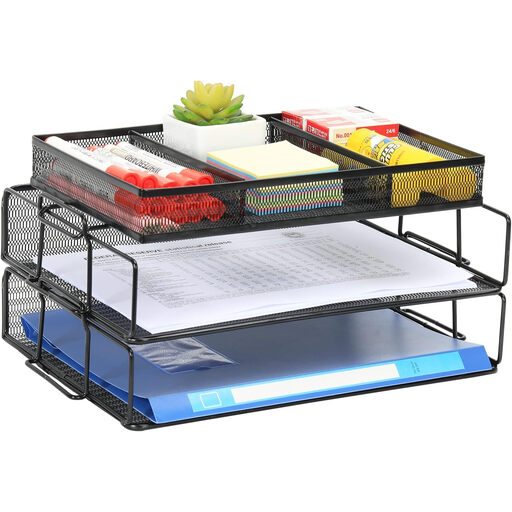
Why it suits this profile: This compact desk organiser is designed for A4 documents and everyday office supplies. It measures 34 x 24.5 x 17.8 cm and requires no assembly.
The two A4 trays make it easy to organise your documents. The product description also mentions a top compartment for pens and other small items, so everything doesn’t end up in one place.
Stackable design, metal mesh construction and a handle for moving it around.
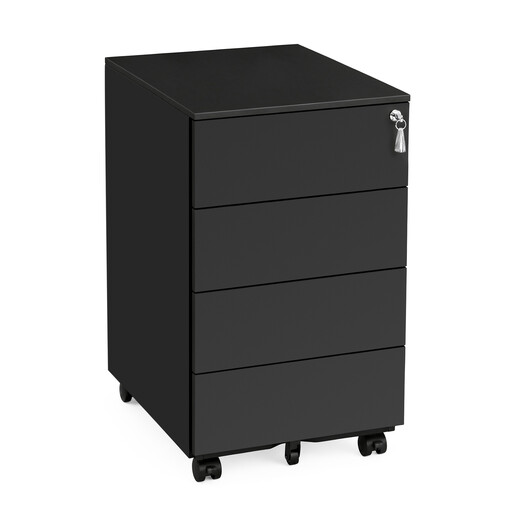
Why it suits this profile: If you want to keep documents secure while still being able to move them around, this steel cabinet comes with four drawers, a lock and castors. It measures 39 x 45 x 69.3 cm.
The stated capacity of 15 kg per drawer gives you a clearer idea of what it’s designed to hold than a general claim of “lots of storage”. Make sure you distribute the weight evenly.
Steel construction, lockable design and full-extension drawers according to the product description.
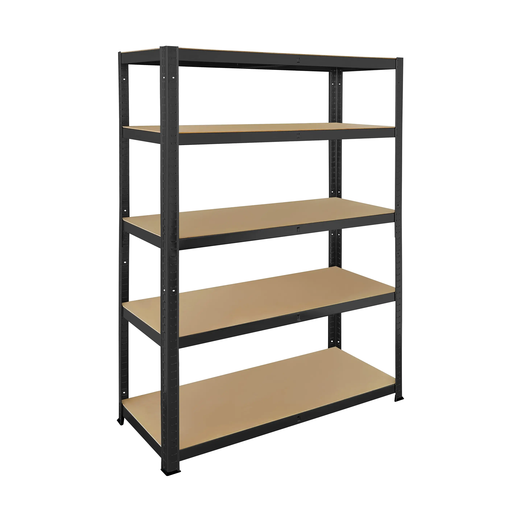
Why it suits this profile: Measuring 180 x 120 x 45 cm, this storage rack has five MDF shelves and is designed for workshops, storage rooms and businesses handling heavier materials.
The product information states a capacity of 175 kg per shelf when the load is evenly distributed. According to the description, the rack must be secured to the wall at the top and bottom to achieve the stated load capacity.
Five shelves, a metal frame and assembly without conventional bolts, according to the product description.
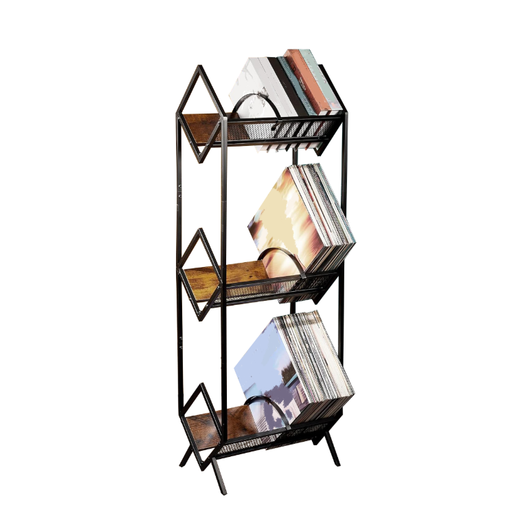
Why it suits this profile: The three open tiers are designed to display vinyl records in a listening nook, living room or studio. The pegboard at the back provides space for accessories; hooks are not included.
The open layout means you won’t have to keep pulling records out of a deep cabinet. Before use, check the maximum shelf load and place the rack on a level surface.
Metal construction, three storage tiers and a versatile pegboard design.
We’ve put together a complete, up-to-date list of products that meet these strict selection criteria and current European safety regulations.
Make use of vertical storage. A wall-mounted document holder or stackable A4 tray makes the most of the wall or desk space above. Check the installation location and available depth beforehand. For a home office, a slim desk organiser may be all you need for pens, post and current documents.
Put heavier folders at the bottom, distribute the weight evenly and don’t leave several drawers open at once unless the cabinet is designed for it. Tall cabinets and storage racks should be secured to the wall in line with the instructions. Use wall plugs suited to your wall type and check the fixings periodically.
Its lifespan depends on the material, load, assembly and care. Powder-coated metal can be practical for normal indoor use, but moisture and scratches may damage the finish. MDF shelves should be kept dry. Avoid unnecessary wear by staying within the stated load capacity and checking the fixings regularly.
