What should you look for when choosing?
First, think about how often the tin will be topped up. Then compare how much stock you’ll have available and check what product information needs to be kept to hand when sharing.
| What to consider |
What to check before buying |
Who is this important to? |
| Topping up gradually |
Check the number of portions and the storage instructions. According to Jumbo, Jumbo Mini Crackers Naturel and LU Mini Crackers Naturel each contain eight portions in 250 g. |
If I only top up the tin occasionally, I don’t want to open the whole supply at once. Around 42% of consumers prioritise being able to top up gradually. |
| How much stock you get |
Compare the net weight, portions and current price per kilogram; a 120 g pack of melba toast provides less than a 250 g pack. |
When we have lots of shared snack breaks, I want enough stock without opening more than we’ll use. For around 33% of consumers, quantity comes first. |
| Labelling and sharing |
Check the ingredients, allergens and nutritional information for the exact variant. Compare salt on the same basis, for example per 100 g. |
If colleagues are taking snacks from the same tin, I want to be able to check which product is in it and what it contains. Checking the label is the main concern for around 25% of consumers. |
Crackers and crispbreads on Joybuy
These products range from mini crackers and other crackers for sharing at snack time to melba toast for toppings. If you’re topping up gradually, check how each product is packaged: the same total weight doesn’t tell you how much you’ll have to open at once.
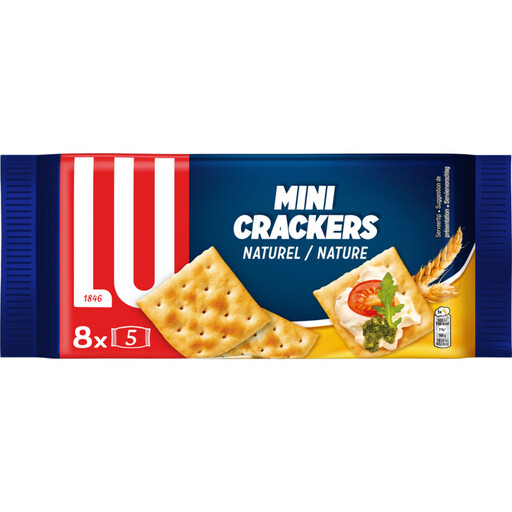 Image unavailable
Lu Mini Cracker Natural, 250 g
An option if you want to top up the tin a little at a time. Joybuy describes a 250 g pack containing eight boxes, each with five pairs of crackers. Keep the remaining boxes closed until you next top up the tin.
If you’re sharing, check the ingredients and allergens on the packaging.
View on Joybuy
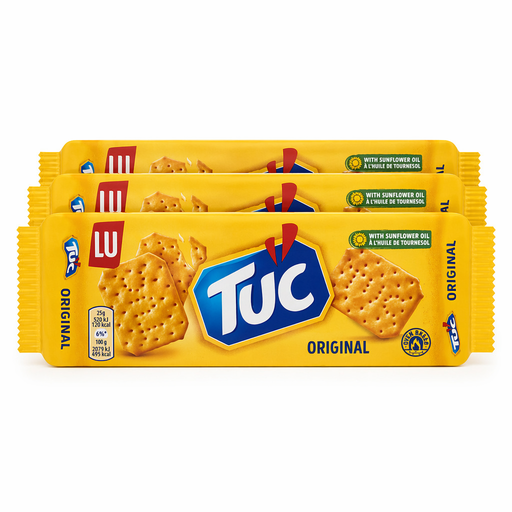 Image unavailable
Tuc Original Crackers, 3 x 100 g
The listed quantity of 3 x 100 g could work well for several shared snack breaks. Check the packaging if you want to keep the three units sealed separately.
Before adding these to a shared snack tin, read the ingredients and allergen information for this variant.
View on Joybuy
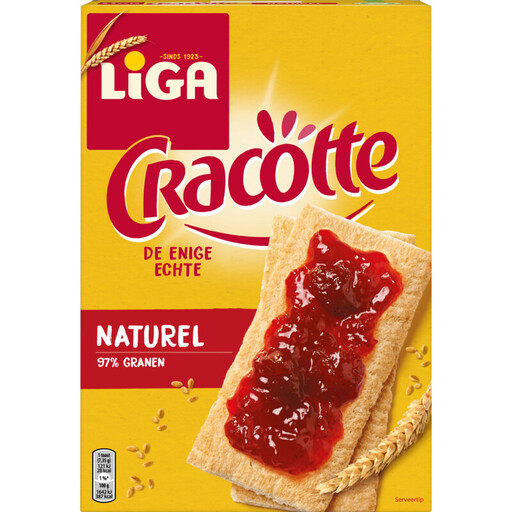 Image unavailable
Lu Cracottes Natural, 250 g
A 250 g pack of crackers to serve with toppings at different times. Check the packaging and storage instructions if you’ll be topping up the tin over several days.
Before sharing, check the ingredients and allergens on the current label.
View on Joybuy
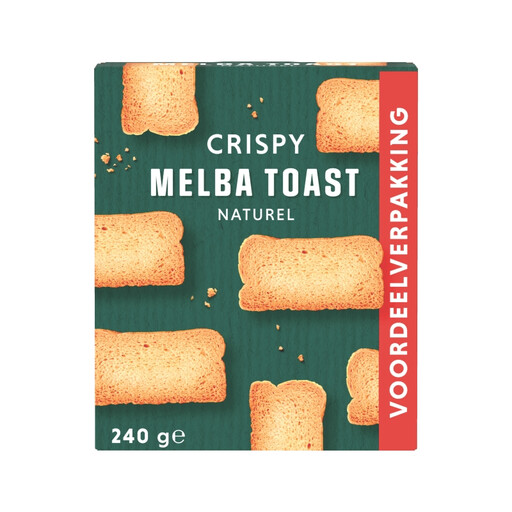 Image unavailable
Crispy Melba Toast, 240 g
A 240 g pack for serving melba toast with toppings or dips. If you won’t use it up quickly, check how to store the toast after opening.
If you’re sharing, read the ingredients and allergens on the current label.
View on Joybuy
Frequently asked questions
Is a 250 g pack automatically a good choice for the office snack tin?
No, it depends on how quickly you’ll use it and how much you need to open at once. The packs of Jumbo Mini Crackers Naturel and LU Mini Crackers Naturel described by Jumbo each contain eight portions. A smaller pack of melba toast may be more practical if you don’t use much.
What should I do with the allergen information if I empty the pack into the tin?
Check the label before filling the tin and keep the original packaging beside it or nearby, so colleagues can see which product it contains. The variants described have different ingredients and allergens. The Netherlands Food and Consumer Product Safety Authority highlights the clear allergen information on labels of prepacked foods.
Does toast made with Dutch baker’s salt always contain iodine?
Don’t assume so without checking the label. According to Brood.net Professionals, using iodised baker’s salt isn’t a legal requirement for every bakery product. If iodine is important to your choice, check the ingredients list for the specific toast variant or ask the manufacturer.
How should I store crackers once the pack is open?
Follow the storage instructions on the pack you’ve chosen and keep unopened portions sealed until you top up the tin. For its Luchtige Crackers Naturel, Jumbo advises closing the pack tightly after opening and using the remaining crackers within a few days. Don’t assume the same advice applies to another product.
How do I compare the salt content of two packs of mini crackers?
Compare the salt content per 100 g, then check the portion size on both labels. The Jumbo Mini Crackers Naturel and LU Mini Crackers Naturel described by Jumbo list 1.2 g and 1.8 g of salt per 100 g respectively. These values apply to these variants, not to every product from those brands.


