
Vandaag of morgen in huis

Kwaliteit gegarandeerd

Welkomstaanbiedingen ontgrendelen: GRATIS bezorging | Tot 80% korting | Gratis 30 dagen JoyPlus-proefperiode
Download de app
An office whiteboard may seem like a straightforward purchase. However, there are clear differences in size, surface, ease of use and maintenance. A board that is too small quickly becomes cluttered, while a large office whiteboard can be impractical in a compact meeting room. Accessories such as a whiteboard eraser also determine how neat the board remains.
In this buying guide from the Joybuy Product Recommendation Officer, you’ll learn what to look for, which purchasing pitfalls are common and which type of whiteboard is best suited to your space.
A low price says little about usability. First check the dimensions, surface type and what is actually included. Some listings show a complete office setup in the image, while the product only includes the board. Therefore, look for wording such as “1 pack” and check the product description carefully.
A 150x90 cm whiteboard provides space for a meeting, weekly schedule or brainstorming session. A 200x100 cm whiteboard offers more writing space, but also requires a wider, suitable wall. Don’t just measure the wall itself—also allow for walking space, doors, cabinets and the position where you will stand in front of the board.
An ordinary cloth can spread ink or leave lint behind. For a dry-erase whiteboard, use an eraser with a soft felt underside. According to the product description, the Deli erasers in this guide are designed for whiteboards, dry-erase boards and glass boards. They are not intended for permanent markers or wet surfaces.
Choose the size based on the number of users and the amount of information you want to display at the same time.
A large board is not automatically more convenient. When too much information is written on it, the content becomes harder to scan. Consider organising the board into columns for tasks, deadlines, names or agenda items.
A magnetic whiteboard can be especially practical for notes, schedules and documents you want to display temporarily. However, check whether magnets and accessories are included; this cannot be assumed from the product name alone.
A dry-erase whiteboard is designed for markers that can be removed without moisture. Do not use a permanent marker unless the manufacturer explicitly states that a suitable removal solution is available. When using a new board, first test the chosen marker on a small corner. This helps prevent unsuitable ink from permanently staining the surface.
A whiteboard eraser should feel comfortable in the hand and remove marker residue without scratching the board. According to the product information, the Deli Whiteboard Eraser measuring 125 × 50 × 26 mm features a felt wiping surface and an ABS plastic handle. Its compact design is suitable for smaller writing areas and precise erasing.
The 110 × 56 × 40 mm version also features felt and ABS plastic. This model is easy to store in a desk drawer or pen holder. The colour may vary by version.
For maintenance, tap out the marker dust or move the eraser across a dry cloth. According to the product description, the felt section can be hand-washed with mild soap and water. Allow it to air-dry completely and do not use abrasive cleaning products.
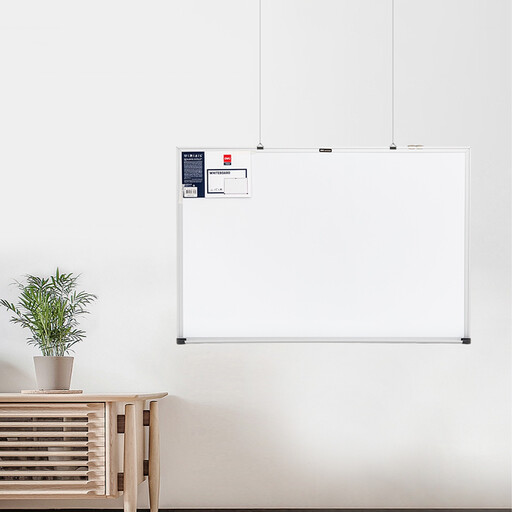
Why it’s a good fit: Measuring 1500 × 900 mm, it works well in a home office, for a small team or in a meeting room where a mid-size board is preferred.
Choose a specific size instead of relying solely on a product photo or price. Measure the wall in advance.
Clear dimensions and a design suited to offices and meeting rooms.

Why it’s a good fit: With 2000 × 1000 mm of space, it accommodates brainstorming, presentations, task allocation and collaborative planning.
Check that the available wall is wide enough and that the installation area remains clear of doors and cabinets.
A generous writing surface for meeting teams and intensive planning-board use.
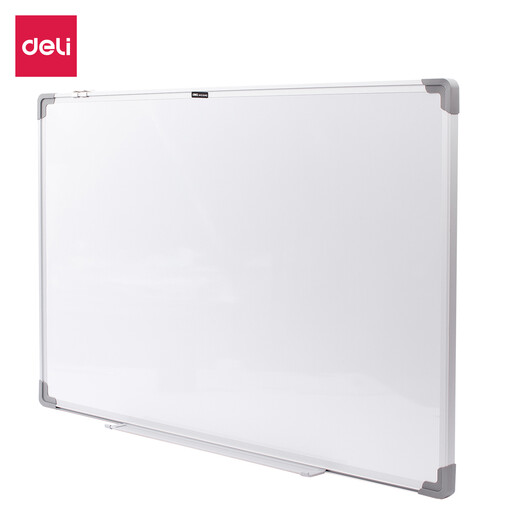
Why it’s a good fit: This tall format is designed for home offices, study rooms and situations where you want to organise a large amount of information vertically.
Check the wall height in advance, along with the position of power sockets, shelves and lighting.
Large 1200 × 1800 mm format and, according to the product name, a magnetic design.
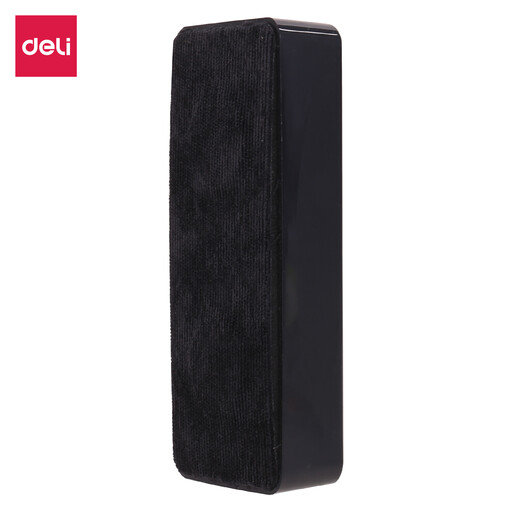
Why it’s a good fit: A compact eraser is convenient when several people use the same board in an office, classroom or meeting room.
Use an eraser that the description identifies as suitable for dry-erase surfaces, and avoid permanent markers.
Felt wiping surface, ABS handle and a compact size of 125 × 50 × 26 mm.
Explore a current selection of office whiteboards and accessories by size, intended use and product information.
Check the following before placing your order:
Also consider how frequently the board will be used. A whiteboard in a school or shared office will be erased more often than one in a home office. Clean the surface regularly with a suitable dry or slightly damp cloth, following the product instructions. Replace the eraser when the felt becomes worn or it no longer picks up marker residue effectively.
For a small meeting room or home office, 150x90 cm may be sufficient. For brainstorming with several people, 200x100 cm provides more writing space. Always measure the wall before ordering.
Its lifespan depends on the surface, markers, eraser and maintenance routine. Permanent markers, abrasive cleaning products and ink left on the surface can cause the board to deteriorate more quickly. Follow the care instructions and use suitable dry-erase markers.
It is practical, especially for daily use. According to the product descriptions, an eraser with a felt surface is designed to absorb dry-erase ink. A compact Deli eraser is also easy to store in a desk drawer, pen holder or accessory tray.
