
Vandaag of morgen in huis

Kwaliteit gegarandeerd

Welkomstaanbiedingen ontgrendelen: GRATIS bezorging | Tot 80% korting | Gratis 30 dagen JoyPlus-proefperiode
Download de app
An office whiteboard may seem straightforward to buy: choose a size, place your order and hang it on the wall. In practice, problems often arise because the writing surface is too small, installation is unclear or the surface is difficult to clean. Whether you are planning an office, brainstorming or giving a presentation, appearance is not the only important factor. The dimensions, intended use and available wall space all determine whether the board remains practical.
In this buying guide, we compare various Deli models for a meeting room, home office, study area or intensive daily use. The product selection is based on verifiable information from the product names and available specifications.
A compact board can be useful for short notes, but offers little room for a weekly schedule, project overview or group brainstorming session. Before buying, consider how many people will use the board at the same time and what information needs to remain visible.
For a desk or small workspace, a size of 24 × 18 inches may be sufficient. In an office meeting-room whiteboard setting, a larger surface is usually more practical, so participants can read it from a reasonable distance.
The total size of a board may include the frame. This means the usable writing area can be smaller than expected. When comparing products, check the stated dimensions and leave space around the board for markers, an eraser and any magnets.
You should also measure the wall. A large whiteboard measuring 2000 × 1000 mm requires a wide, flat wall. Check that doors, cupboards, sockets and lighting will not get in the way.
A magnetic whiteboard is designed for use with magnets, for example to display printouts, planning cards or presentation materials. “Dry-erase” refers specifically to using whiteboard markers that can be removed without wet cleaning. Not every dry-erase board is automatically magnetic.
For this reason, check the specific product description. Only use markers designed for whiteboards, and do not leave writing on the surface unnecessarily for weeks at a time. Residual ink can make the surface more difficult to clean.
Use this practical guide as a starting point:
The Deli models in this selection range from 24 × 18 inches to 2000 × 1000 mm. The 1500 × 900 mm model sits between these sizes and may offer a good compromise between wall space and writing area.
Would you like to display diagrams, documents or memos alongside your notes? Choose a model where magnetic use is explicitly stated in the product name or description. The Deli model measuring 1200 × 1800 mm is described as a magnetic whiteboard. Magnetic functionality has not been confirmed for the other models based on the product information provided.
Also consider the type of magnets you already have. Heavier materials may require a stronger magnet. Check whether magnets and markers are included, as this should not be assumed.
Before buying, check:
The product information for this selection does not specify a complete mounting kit or technical material standards. Do not base your choice on assumptions about accessories. Check the current product page before placing your order.
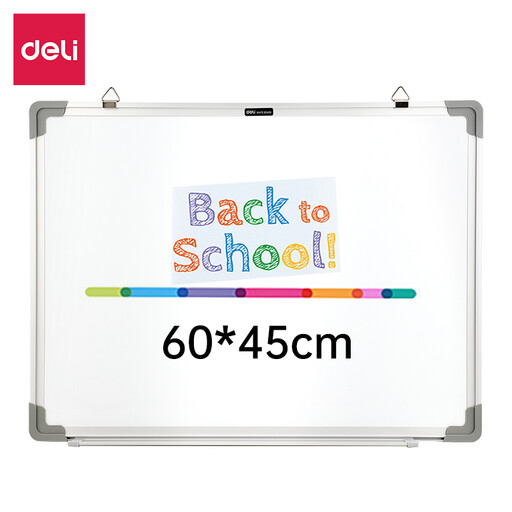
Why it suits this profile: The 24 × 18-inch size is easy to manage on a desk, in a small workspace or for simple planning.
The dimensions are clearly stated in advance, so you can match the board to the available wall space rather than judging it from a product photo alone.
Dry-erase according to the product name; compact size for office planning, home use or study.
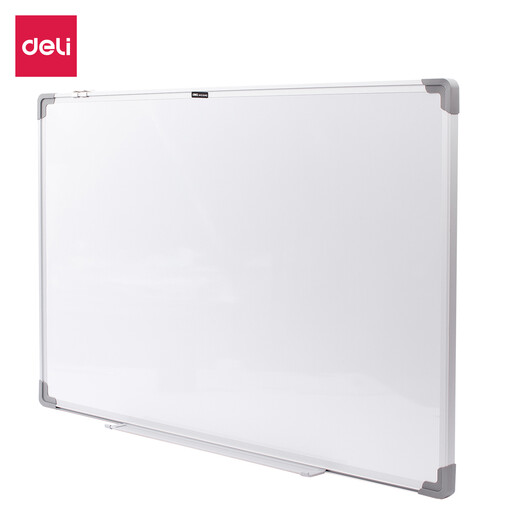
Why it suits this profile: The vertical dimensions of 1200 × 1800 mm provide plenty of writing space for a home office, study area or large planning board.
The product name states both its magnetic functionality and exact dimensions. This makes it easier to decide in advance whether the wall and intended use are suitable.
Magnetic; 1200 × 1800 mm; described in the product name as suitable for home office and study.

Why it suits this profile: Measuring 2000 × 1000 mm, this model is designed for a meeting room, project team or office where several people need to write and read at the same time.
The large size makes it less likely that schedules, minutes and ideas will overlap because of limited space. However, measure the wall beforehand.
Writing surface of 2000 × 1000 mm; the product name states that it is intended for a conference room and office.
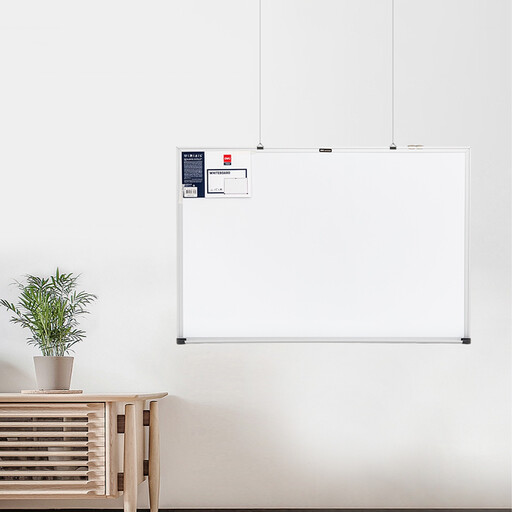
Why it suits this profile: This mid-sized model is suitable for office planning or a meeting area where a large board is wanted, but a width of 2000 mm would take up too much space.
The exact dimensions help you plan the wall realistically. This prevents the board from blocking walkways, cupboard doors or other workspaces.
Dimensions of 1500 × 900 mm; the product name states that it is intended for a conference room and office.
We have put together a complete, up-to-date list of products that fully meet these strict selection criteria and the applicable European safety regulations.
First, measure the clear width and height of the wall. For a desk or home office, a compact model such as 24 × 18 inches is easy to manage. For a small team, 1500 × 900 mm can provide more writing space, provided there is still enough room to stand in front of the board.
Its lifespan depends on the surface, the markers used, cleaning and frequency of use. Erase notes regularly, do not use permanent markers and follow the maintenance instructions on the product page. A board used every day requires more maintenance than one used for occasional study.
It can be practical if you want to temporarily place schedules, documents or memos beside written information. However, check that magnetic use is explicitly stated. In this selection, it is clearly mentioned for the Deli model measuring 1200 × 1800 mm; this feature has not been confirmed in the information provided for the other models.
