
Vandaag of morgen in huis

Kwaliteit gegarandeerd

Welkomstaanbiedingen ontgrendelen: GRATIS bezorging | Tot 80% korting | Gratis 30 dagen JoyPlus-proefperiode
Download de app
Loose pens, piles of paper and documents scattered around may seem like minor problems. Yet many people spend more than necessary on office supplies because they focus mainly on colour, packaging or an attractive offer. Choosing the right office supplies should start with how they will be used, not how they look.
This guide helps private consumers, students, school pupils, homeworkers, teachers and small businesses compare stationery, planners and desk organisation with a clear purpose.
A single pen may look cheap, but a multipack can offer better value for an office, classroom or household. So don’t just compare the price. Also check the number of items, refill options and type of ink. Twelve simple ballpoint pens may be more practical than a small set with special features you will hardly use.
An A4 document organiser should provide enough room for folders, letters and forms. A compact organiser is useful on a small desk, while a wall-mounted model may be more suitable when your work surface is already full. Always check the dimensions, mounting method and available space before ordering.
Words such as “premium”, “professional” or “extra smooth” mean little without technical details. Instead, look for verifiable information such as nib size, material, paper weight, pack contents and compatible paper size. A brand’s product description may state that an ink dries quickly, for example, but that does not guarantee the pen will write completely smudge-free on every type of paper.
For everyday writing, pens with a 0.7 mm nib are often a practical middle ground. They generally produce a clearer line than extra-fine pens while writing less broadly than markers. A ballpoint pen with oil-based ink is suitable for forms, notes and signatures. With gel pens and rollerball pens, look for a cap or retractable mechanism to help prevent the nib from drying out.
For technical drawing, sketching or small lettering, a 0.5 mm pencil or mechanical pencil may be a better choice. Also check the lead hardness, such as HB, and whether enough spare leads are included.
An A7 notebook fits easily into a bag or pencil case and is suitable for short shopping lists and to-do lists. For longer-term planning, A5 is usually easier to organise. As well as the size, consider:
For wall holders and document organisers, the width, height and depth are more important than appearance. Check whether the model is suitable for A4 documents and whether screws are included. Mounting on a door or plasterboard wall may require different wall plugs from those used for a brick wall.
According to the product description, a powder-coated metal organiser may be designed for long-term everyday use. Make sure you mount it securely and do not exceed the recommended load. For desk organisation without drilling, a stackable letter tray may be more practical.
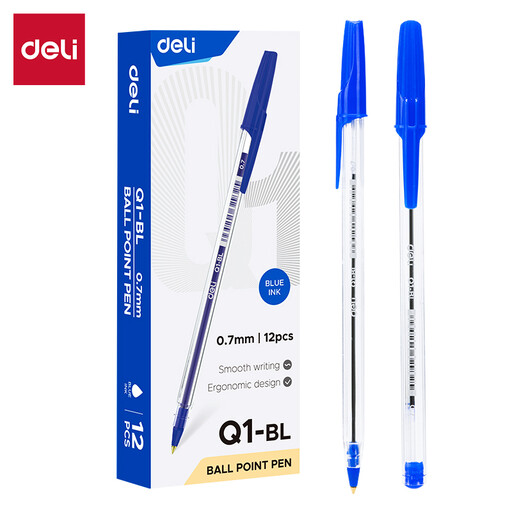
Why it suits this profile: A practical set for students, families, classrooms and small offices that regularly need pens.
The quantity of 12 makes the pack contents easy to compare. The 0.7 mm nib and blue oil-based ink are clearly specified.
12 ballpoint pens, 0.7 mm bullet tip and blue ink for office and school tasks.
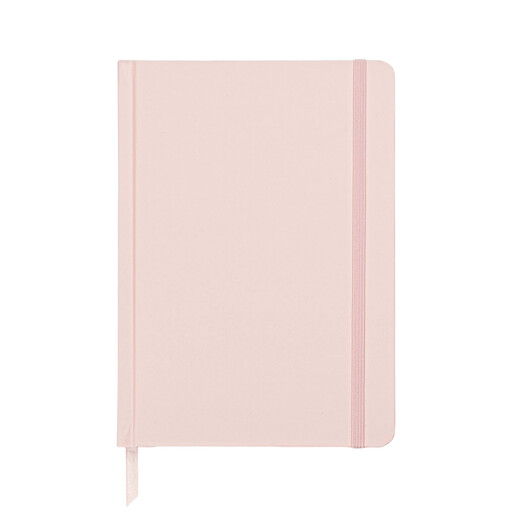
Why it suits this profile: Suitable for homeworkers, teachers and anyone who wants to combine work, study and personal planning in one book.
The planner is undated, so you do not pay for unused dated pages when you skip a period.
A5 format, hardback cover, 112 sheets of 100 g/m² paper, plus monthly and weekly layouts.
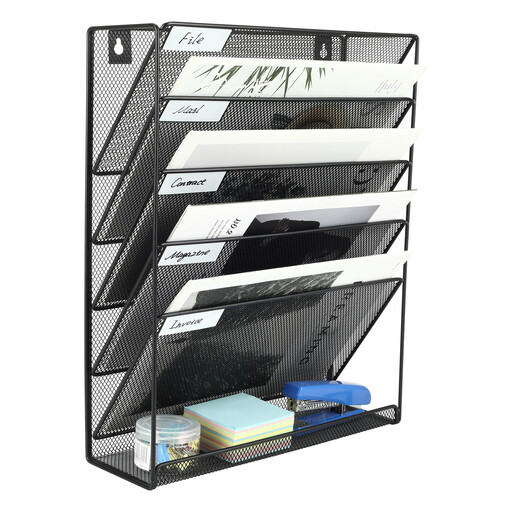
Why it suits this profile: Handy for offices, administrative workspaces and home offices with regular post, forms and project documents.
The six compartments clearly show in advance how many categories you can separate. The internal width of 315 mm is suitable for A4 materials.
Six tiers, a powder-coated metal construction and wall or door mounting with screws.
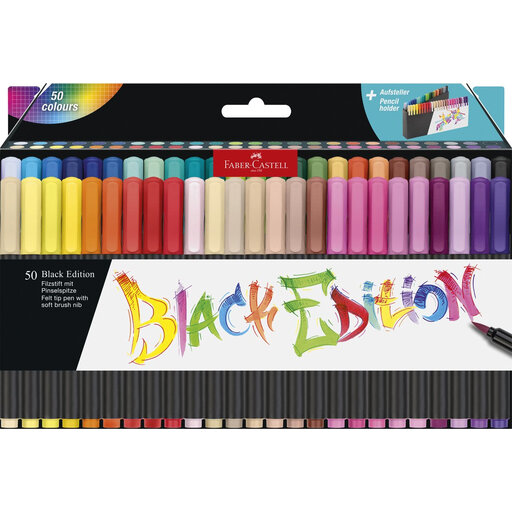
Why it suits this profile: A generous selection for art projects, hand lettering, small illustrations and colour-coding notes.
The set states the exact quantity of 50 brush pens and, according to the product information, is intended for light-coloured paper rather than black paper.
50 colours, brush tip for thick and thin lines and, according to the product description, washable ink.
We have put together a complete, up-to-date list of products that fully meet these strict selection criteria and the applicable European safety regulations.
A few small office supplies can make everyday use more organised:
Start with a pen, pencil, notebook, sticky notes and a document organiser. Add a planner if you want to keep track of appointments and tasks on paper. A whiteboard with accessories can be useful for regular meetings.
This depends on the type of ink, how the item is used and how it is stored. Keep ballpoint and rollerball pens capped or retracted when not in use. Store them in accordance with the product information in a dry place and avoid extreme temperatures. A pen that no longer writes is not necessarily empty; a blocked or dried-out nib may also be the cause.
Use a wall holder if you have enough wall space and need regular access to the documents. Check the mounting hardware and surface first. If you would rather not put holes in the wall, choose a freestanding letter tray. For example, divide the compartments into “to do”, “in progress” and “archive”.
