
Vandaag of morgen in huis

Kwaliteit gegarandeerd

Welkomstaanbiedingen ontgrendelen: GRATIS bezorging | Tot 80% korting | Gratis 30 dagen JoyPlus-proefperiode
Download de app
A cluttered desk drawer, loose invoices and folders with nowhere to go: an office storage cabinet can help you get organised, but not every cabinet suits every workspace. The wrong size can take up unnecessary space, castors can make it unstable, and a lock may not offer the level of protection you expect.
As a Joybuy Product Recommendation Officer, I filter product information against verifiable criteria. That way, you can quickly see which cabinet is right for your office, home office, studio or workshop.
A cabinet that is 40 cm wide may look spacious, but the usable interior is often smaller because of side panels, runners and doors. So check not only the height, width and depth, but also:
For a home office, a compact office drawer unit is often more practical than a tall filing cabinet. In a shared workspace, a lockable filing cabinet with adjustable shelves may be the more efficient choice.
A lock is useful for privacy, but it does not automatically indicate fire resistance, resistance to break-ins or protection against moisture. Product descriptions usually only state that the doors or drawers can be locked. Use a cabinet like this for documents and office supplies you want to keep out of sight, but check the security rating and relevant certification if you’re storing confidential records.
A mobile filing cabinet is handy if you regularly change your layout. However, a cabinet with full drawers can become heavy. Check the castors, brakes, load capacity and stability. Wall fixing is also important for a tall metal storage cabinet. Always follow the assembly instructions provided and use fixings suitable for your wall.
For standard documents, A4 compatibility is essential. An A4 wall file holder makes use of vertical space and keeps documents within easy reach. A freestanding filing cabinet will usually offer more capacity, but it also takes up more floor space.
Also consider the layout:
Steel is a good choice if you’re looking for sturdy office furniture and expect to use the cabinet frequently. A powder-coated finish can make the surface easier to wipe clean; follow the manufacturer’s care instructions. According to the product information, HaluPeit’s melamine-faced particleboard is resistant to moisture, oil and wear. This does not mean the cabinet is suitable for outdoor use or damp rooms.
Check whether the stated load capacity applies to the whole cabinet, the top or each individual drawer. The HaluPeit Rolling Cabinet has a stated maximum total load capacity of 50 kg. Various JOYFURNOS models specify a load capacity of 15 kg per drawer. Always place heavy equipment as directed in the instructions and distribute the weight evenly.
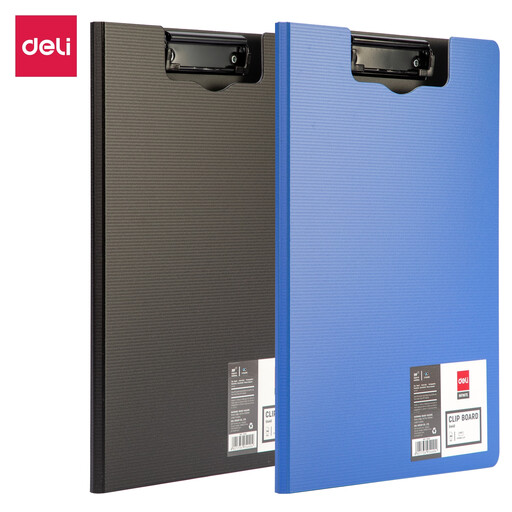
Why it suits this user: Ideal for students, homeworkers and people starting out who mainly want to organise loose documents, meeting papers or presentations without investing in a large cabinet.
Its dimensions and purpose are clearly described as an A4 document holder. That means you won’t buy a large cabinet when all you need is a compact document organiser.
Foam PP material, an inner pocket, a clip and no assembly required. Suitable for the office, school and home.
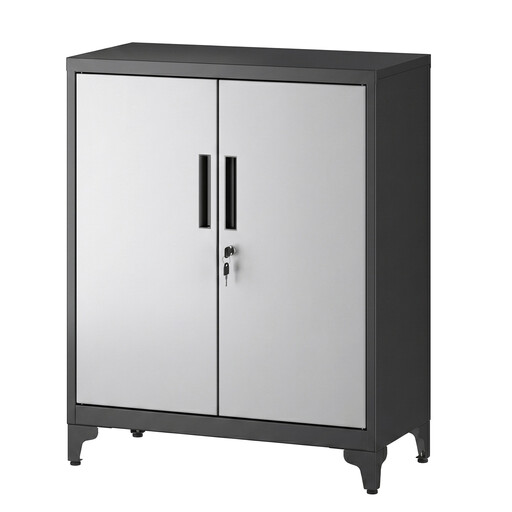
Why it suits this user: Ideal for business owners and administrative professionals who want to keep different types of files, office supplies and stock in one place.
This steel cabinet has two adjustable shelves and a lock with two keys. Be sure to secure it to the wall using the anti-tip kit provided.
Steel construction, adjustable shelves, a wipe-clean surface and a stated load capacity of 25 kg per shelf.
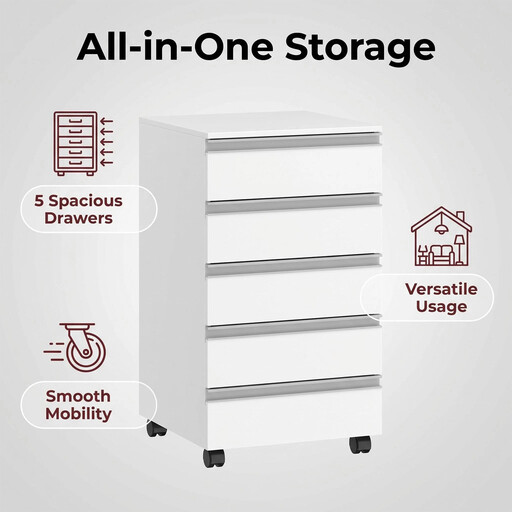
Why it suits this user: Ideal for creative studios, workshops and offices where documents, drawings, tools and materials need to be moved around regularly.
The cabinet has 360° swivel castors, with brakes on the front wheels. This lets you move it around and keep it stable in your workspace.
Five deep drawers, dimensions of approximately 40.5 × 40.5 × 65.5 cm and a top surface for a small printer or other equipment.
We’ve put together a complete, up-to-date list of products that meet these strict selection criteria and the applicable European safety regulations.
Start by sorting everything into three groups: everyday use, current files and archive. Keep frequently used documents in a drawer, an A4 wall file holder or an open compartment. Older paperwork can go in a lockable filing cabinet. Label drawers and shelves with clear categories, such as “invoices”, “projects” and “purchasing”.
Place a mobile cabinet beside your desk, but leave enough room to walk around. A wall-mounted model must be fixed to a solid surface. Plasterboard requires suitable wall anchors; don’t automatically use the screws provided if they aren’t suitable for your wall.
Measure the available space between the floor, desktop and legs. Leave a few centimetres of clearance for ventilation, cables and opening the drawers. Compare this space with the cabinet’s stated external dimensions.
It can be, but always check the load capacity for each shelf or drawer. Spread heavy files across several levels and place the heaviest items at the bottom. Securing a tall cabinet to the wall is a sensible way to reduce the risk of it tipping over.
Its lifespan depends on the material, load, assembly and frequency of use. Clean surfaces with a soft cloth, avoid overloading the cabinet and regularly check the castors, runners and screws. A cabinet that’s used correctly will generally stay functional for longer.
