
Buyer who requires Fairtrade
Wants to check whether the cocoa or chocolate in the chosen snack is covered by a Fairtrade claim. A general claim from a retailer or brand isn’t enough: what matters is the information on the specific product.


If your office treat must be Fairtrade-certified chocolate, choose a chocolate snack whose certification and packaging claims you can check. Traditional taaitaai (Dutch spiced biscuits) is a good option if you’re after a spiced biscuit and chocolate isn’t a requirement: the ingredient lists for the Albert Heijn and Jumbo varieties discussed here don’t mention cocoa. Whichever you choose, check the allergen information and how many portions you can serve.
Wants to check whether the cocoa or chocolate in the chosen snack is covered by a Fairtrade claim. A general claim from a retailer or brand isn’t enough: what matters is the information on the specific product.
Needs a pack that suits the number of colleagues and wants to know in advance how many portions it contains. For taaitaai, the stated net weight and portion size help you work this out.
Wants to be able to share the ingredients and allergen information for the chosen snack before handing it out. With individually served snacks, it’s important that colleagues can still access this information without the outer packaging.
Let your main requirement guide your choice: are you looking for verifiably Fairtrade chocolate, or simply a spiced biscuit to share? Then check the portions, allergens and nutritional information on each pack.
Choose this: if you’re looking for a spiced office treat and Fairtrade cocoa isn’t a requirement.
Trade-off: the traditional varieties from Albert Heijn and Jumbo discussed here don’t list cocoa in their ingredients, so they won’t meet a purchasing requirement for Fairtrade chocolate.
Choose this: if the chocolate itself must meet a verifiable Fairtrade requirement.
Trade-off: check the exact packaging to see which ingredients the claim applies to. Fairtrade International allows mass balance for cocoa, so certification doesn’t guarantee that the cocoa has been physically segregated throughout the supply chain.
Choose this: only if you can check the chocolate separately and organise preparation at the office.
Trade-off: making it yourself takes time, and you’ll need clear ingredient and allergen information for the finished product. The taaitaai won’t automatically become a Fairtrade product.
| What to consider | What to check when buying | Who is this most important to? |
|---|---|---|
| Fairtrade cocoa | Read the certification mark and accompanying text on the exact chocolate packaging. If there are several ingredients, check which ones the claim applies to. | If chocolate is the agreed treat, I want to be able to show what the Fairtrade claim covers. For around 42% of consumers, this is the most important requirement. |
| Portions and availability | Compare the net weight and stated portion size, and check the current sales channel before ordering. | For a team, I want to be able to hand out enough without having to guess how many portions there are. Around 33% of consumers prioritise practical shareability. |
| Allergens and nutritional value | Read the current allergen information and compare the nutritional information per 100 g and, if provided, per portion. | When colleagues have different dietary needs, I want to be able to clearly explain what the treat contains. This is the main concern for around 25% of consumers. |
A supermarket selling Fairtrade products doesn’t mean that another pack is certified. The traditional taaitaai from Albert Heijn and Jumbo discussed here doesn’t list cocoa in its ingredients.
Check the certification mark and claim on the product you actually intend to hand out.
Fairtrade International allows mass balance for cocoa. This means the cocoa in a finished product doesn’t have to be physically segregated throughout the supply chain.
If physical traceability is important for your purchase, read the text accompanying the certification mark.
The taaitaai varieties from Albert Heijn and Jumbo discussed here contain cereals with gluten and milk. If you rely only on the product name, you won’t have the information you need to share with colleagues.
Read the current packaging before buying, and make sure the allergen information remains available when snacks are handed out individually.
The Albert Heijn and Jumbo product pages state that Bolletje Taai Taai Poppetjes has been discontinued. What’s more, packaging you saw earlier doesn’t necessarily reflect the current ingredients or claims.
Check which variety is available and read the information on the current packaging shortly before ordering.
AH Taai taai is a 350 g own-brand pack. Albert Heijn states a portion size of 14 g, with around 25 portions per pack.
Jumbo Sint Taai Taai Figuurtjes is a 500 g own-brand pack, which Jumbo says contains around 36 portions of 14 g.
Bolletje Taai Taai Poppetjes is a taaitaai variety that the Albert Heijn and Jumbo product pages state has been discontinued.
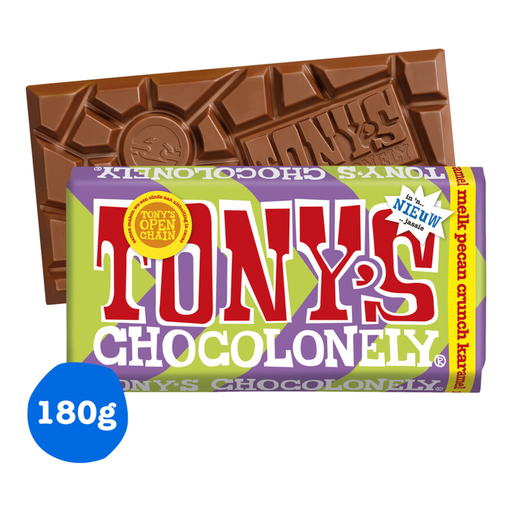
This chocolate bar is an option if you’re choosing chocolate alongside or instead of taaitaai. If Fairtrade is a purchasing requirement, check the certification mark and the exact claim on the packaging before choosing the bar for the office.
 No image available
A chocolate bar to consider when chocolate matters more to you than taaitaai. The product description mentions Fairtrade; check the certification mark on the current packaging and see which ingredients the claim applies to.
The bar weighs 180 g. Before handing it out, decide how you want to divide it up and read the current allergen information, especially if colleagues need to avoid certain ingredients.
The traditional taaitaai from Albert Heijn and Jumbo discussed here isn’t a suitable choice if you require Fairtrade chocolate: neither ingredient list mentions cocoa. If this is a requirement for your purchase, check the certification mark on the exact chocolate snack you choose.
Not necessarily. Fairtrade International allows mass balance for cocoa, meaning certified and non-certified cocoa may be mixed during processing. If physical traceability matters to you, read the certification mark and the accompanying text on the packaging.
For the varieties from Albert Heijn and Jumbo discussed here, make sure you check for cereals containing gluten, including wheat and rye, and for milk. Use the current packaging to make your final choice, and check for any warnings about other allergens too.
Keep the information from the original packaging available and make it clear which snack it relates to. The Netherlands Food and Consumer Product Safety Authority explains that consumers must also be able to access allergen information for non-prepacked foods. So, if you’re handing out individual treats, don’t assume the information will remain clear without the packaging.