
Listening among chatty colleagues
Wants to follow spoken explanations without constantly turning up the volume. Sony Netherlands notes that voices which come and go can still be heard despite active noise cancellation.


For listening to a lecture in a busy office, well-fitting headphones with active noise cancellation are a sensible starting point, but they won’t completely block out voices that come and go. Choose over-ear headphones if you don’t want to wear ear tips, or in-ear earbuds if a headband gets in your way. A quick-to-use ambient mode is helpful when you need to stay approachable. Check how clearly speech comes through at a moderate volume, and make sure the fit remains comfortable.
Wants to follow spoken explanations without constantly turning up the volume. Sony Netherlands notes that voices which come and go can still be heard despite active noise cancellation.
Wants to pause a lecture or switch on ambient sound when a colleague has a question or an important alert goes off.
For longer listening sessions, look for a comfortable fit, a suitable volume and enough battery life. The World Health Organization advises taking both volume and listening time into account.
| What to consider | What to look for when buying | Who is this important for? |
|---|---|---|
| Speech clarity | Check the fit, closed-back design and noise-cancelling controls. Test spoken audio, not just music. | If I want to follow explanations among chatty colleagues, I need to hear what’s being said without continually turning up the volume. Around 36% of consumers put speech clarity first. |
| Comfort and listening time | Try on-ear and in-ear options if possible. Compare battery life only with the same noise-cancelling setting. | For long lectures, I want a style that won’t become uncomfortable or press on my ears, and a volume I can listen to for a while. Around 29% of consumers prioritise long-lasting comfort. |
| Staying approachable | Check that ambient mode is easy to use and that pausing and resuming suits the way you work. | If colleagues need to be able to speak to me, I want to pause quickly or hear ambient sound. Around 21% of consumers make staying approachable their top priority. |
| Devices and battery life | Check multipoint support for the exact model, your devices’ connections and the stated battery life with noise cancellation on. | If I use both a phone and a laptop, for example, I want to know how switching between them works and when I’ll need to recharge. Around 14% of consumers put connectivity and battery life at the top of their list. |
Voices that come and go may still be audible. Turning the volume up further to drown out conversations increases your listening exposure.
Check how clearly speech comes through with a good fit and at a moderate volume. The World Health Organization advises taking both listening time and volume into account.
Claimed battery life can depend on the noise-cancelling setting. Sony states that the WH-1000XM5 offers up to 30 hours with noise cancellation on and 40 hours with it off; JBL claims up to 65 hours for the Live 770NC with Bluetooth on and noise cancellation off.
Compare manufacturers’ figures only when the same settings are in use. That way, you won’t expect battery life that doesn’t match your chosen settings.
If you don’t take the different settings into account, you may need to recharge more often than expected.
A manufacturer’s or seller’s warranty doesn’t automatically replace your statutory rights. ACM ConsuWijzer explains that your statutory guarantee applies in addition to any warranty and depends on what you could reasonably expect from the product.
Check what any additional cover includes, and keep it separate from your statutory rights.
Sony offers both over-ear headphones and in-ear earbuds with noise cancellation and an ambient mode.
The MOMENTUM 4 Wireless is an over-ear option with adjustable sound and a transparency mode.
The Live 770NC is an over-ear option with active noise cancellation and Smart Ambient, so you can switch between listening and hearing ambient sound.
This selection of Joybuy products for listening to speech at the office includes both headphones and earbuds. Check the features listed for each model and choose the style that suits you.
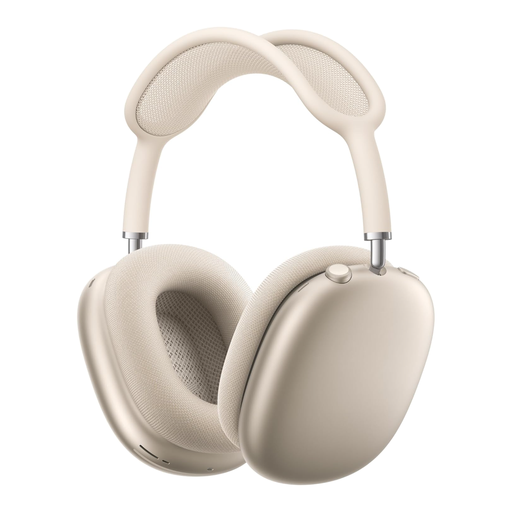 Image unavailable
A good option if you want to respond to someone or hear ambient sound during a lecture.
The product information lists Conversation Awareness and Transparency.
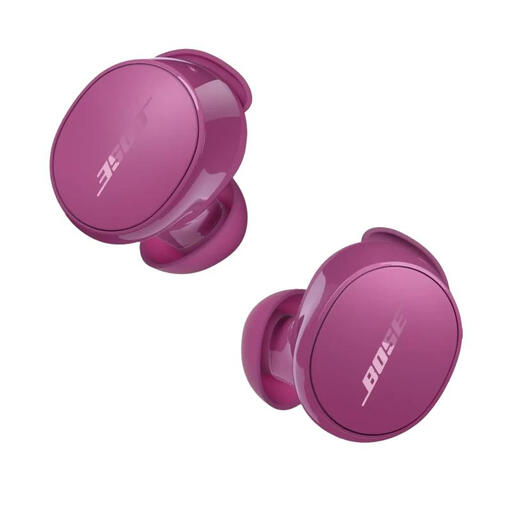 Image unavailable
Worth considering if you want earbuds and would like to switch between noise reduction and ambient sound while listening.
The product information lists Quiet and Aware modes, Bluetooth multipoint and up to 8.5 hours per charge.
 Image unavailable
Consider this if you want to compare an over-ear model with adjustable sound and a transparency mode.
Sennheiser lists adaptive noise cancellation, an equaliser and up to 60 hours of playback. Actual battery life depends on the settings you choose.
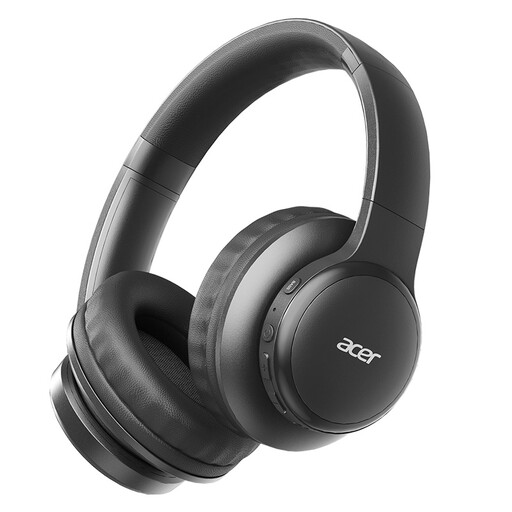 Image unavailable
A wireless option to compare for listening to spoken audio.
The product name lists Bluetooth 5.3 and a foldable design.
 Image unavailable
Worth comparing if you’re looking for a wired in-ear option and don’t want to rely on a battery while listening.
The product information lists a USB-C connection, in-line controls and several sizes of ear tips.
No. Sony Netherlands explains that noise cancellation works best with fairly constant background noise, while voices that come and go may still be audible. So check the fit and speech clarity at a moderate volume too.
Choose the style that remains comfortable for you. Over-ear headphones keep ear tips out of your ear canals, while in-ear earbuds don’t have a headband. Try both if possible, and check that the ear tips fit well if you choose earbuds.
Keep an eye on both volume and listening time, and take breaks. The World Health Organization advises using well-fitting noise-cancelling headphones to reduce the need to turn the volume up; your actual exposure also depends on your listening settings.
Compare stated battery life using the same noise-cancelling and Bluetooth settings. Manufacturers may quote figures for different usage modes, so a maximum with noise cancellation off isn’t directly comparable with a maximum when it’s on.
Don’t assume so: the phrase ‘busy office’ doesn’t mean that an official noise threshold has been reached, or that consumer headphones are suitable as hearing protection. The Dutch Arboportaal says that an employer must provide hearing protection when daily noise exposure exceeds 80 dB(A). Talk to your employer if you’re concerned about an actual noise risk.