
Teams taking breaks at the same time
You want enough water for everyone during your busiest break, so colleagues spend less time waiting for their tea.


First, choose a kettle with a capacity that suits the number of cups needed at once during your busiest break. Then consider whether colleagues really need different water temperatures. A simple model may be enough if you mainly need boiling water, while variable temperature settings or a cool-touch exterior could be useful if people will use these features in the shared kitchen.
You want enough water for everyone during your busiest break, so colleagues spend less time waiting for their tea.
You want to be able to choose between boiling water and lower temperatures, rather than assuming the same setting will suit everyone.
You’ll want to consider how easy it is to pour and clean the kettle, and agree how to maintain an appliance used by several people.
First, compare the amount of water needed during your busiest break. Then decide whether temperature settings, maintenance or ease of use are most important for your team.
| What to consider | What to look for when buying | Who this is for |
|---|---|---|
| Capacity and waiting time | Compare the stated capacity with the number of cups needed during your busiest break, and check the fill markings. | If everyone takes their break at the same time, I want to be able to make enough water in one go. Around 33% of people using a shared kitchen prioritise capacity and waiting time. |
| Temperature settings | Compare the available settings with the guidance for the tea served in your office. | If people drink different types of tea, I want to choose a temperature that suits the tea being made. Around 25% of people prioritise temperature settings. |
| Shared use | Check the controls, pouring design and safety features of the exact model. Also check the power supply in your kitchen. | When several colleagues use the kettle, I want it to be easy to pour and operate. Around 25% of people prioritise safe shared use. |
| Maintenance and filling to the right level | Check whether the filter is easy to access and what the model’s instructions say about cleaning and descaling. | For everyday use, I want to be able to maintain the kettle properly and avoid heating more water than necessary. Around 17% of people prioritise maintenance and filling to the right level. |
A larger capacity can be useful for a group break, but that doesn’t mean you need to boil a full kettle for a small round.
Heating water you don’t need also uses energy. Milieu Centraal advises heating only as much water as necessary.
Choose a maximum capacity to suit your busiest break, and use the fill markings for smaller rounds.
A keep-warm function and boiling a measured amount of water can’t be compared separately from how the kettle is used. Energy consumption can vary by model and usage.
Keeping water at temperature can use electricity for as long as the function is switched on.
First, work out when colleagues need hot water, then compare the features that suit how they’ll use the kettle.
Ondernemersplein distinguishes between sales to businesses and consumer purchases. Don’t assume that consumer terms and conditions automatically apply to a business order.
Before placing an order, check the applicable arrangements for returns and warranty.
The TWK8613P is worth considering if adjustable temperatures and a double-walled body are important to you.
According to Tefal, the Smart’N Light KO850810 has five temperature settings and a 1.7-litre capacity.
The HW617B is worth comparing if your team mainly needs boiling water.
The HD9359/90 is a model to consider if your team wants to compare temperature settings.
This selection includes simple kettles for teams that mainly need boiling water, as well as models with temperature settings for different types of tea.
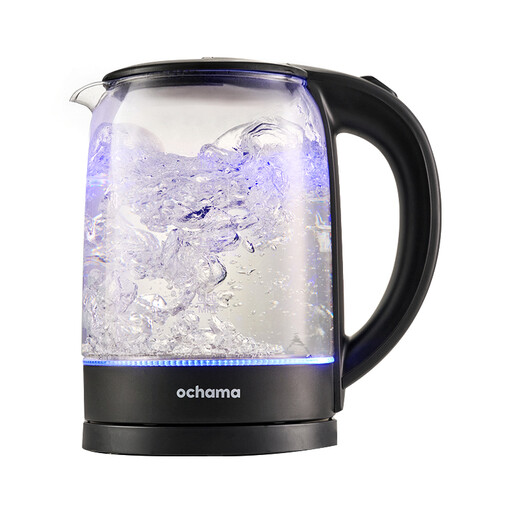 Image unavailable
The stated capacity matters when you need to make several cups at once; fill the kettle according to the number of cups required.
The product title lists a 1.7-litre capacity, 2200 W, borosilicate glass and automatic shut-off.
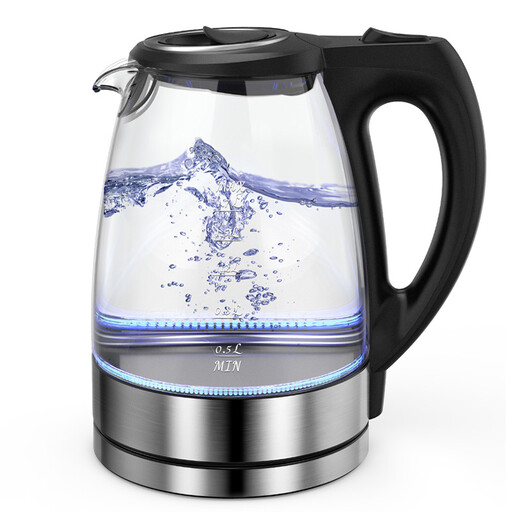 Image unavailable
The product description mentions a built-in strainer, which may be useful if colleagues want to brew loose-leaf tea.
The product title lists a 1.7-litre capacity and 2200 W.
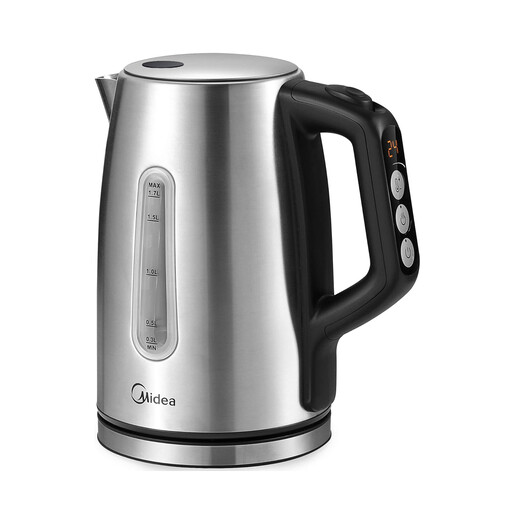 Image unavailable
Temperature settings are useful if colleagues want to choose different temperatures for their tea.
The product title lists a 1.7-litre capacity, 2200 W and 6 temperature settings from 40 to 100 °C.
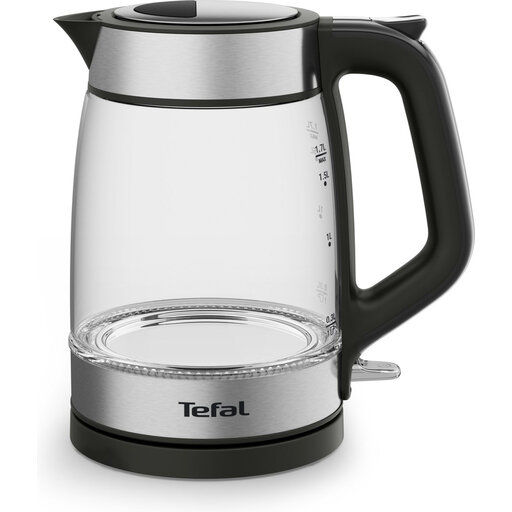 Image unavailable
This model may suit teams that mainly use boiling water and want to check the measuring marks when filling the kettle.
The product title lists a glass design, LED lighting, a removable limescale filter and 2200 W. The product information does not mention adjustable temperature settings.
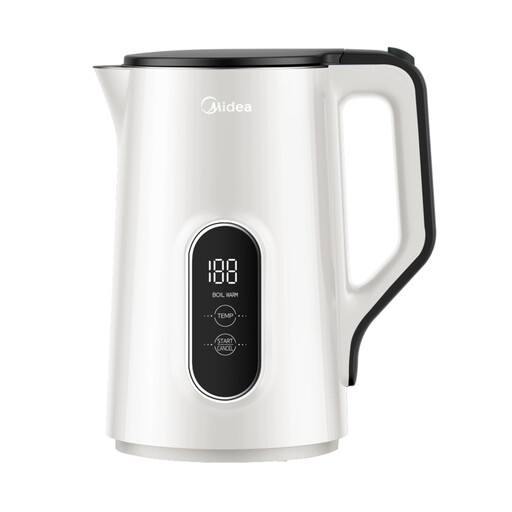 Image unavailable
Temperature control may be useful if colleagues want to use different settings for different types of tea.
The product title lists a 1.5-litre capacity, 2200 W, a display and temperature control from 45 to 100 °C.
Count how many cups need to be made at once during your busiest break, then compare the amount needed with the stated kettle capacity. You don’t have to fill a large kettle for a small round.
Follow the fill markings and instructions for the exact model, and agree who will clean and descale the kettle. A removable limescale filter can make it easier to maintain that part, but it doesn’t replace descaling the kettle itself.
Not automatically: Ondernemersplein distinguishes between sales to businesses and consumer purchases. For a business order, check the returns and warranty arrangements that apply to that purchase.
The NVWA states that CE marking is mandatory for electrical products. In the Netherlands, products that come into contact with food must meet requirements for food contact materials. Check the product information for the specific model and item. Features listed on a product page do not, on their own, prove that all applicable requirements have been met.