
Buyer catering for colleagues with dietary needs
You’re replenishing the office snack supply and want to know which specific dietary needs a cashew variant suits, without assuming it’s allergen-free for everyone.


Only choose cashews for colleagues who can eat them, then check their specific dietary needs. For example, AH Unsalted Cashews are labelled gluten-free and lactose-free, while the PLUS variant reviewed lists cashews as its only ingredient. Keep snacks for anyone who needs to eat gluten-free for medical reasons separate from ordinary biscuits, and keep the product information to hand. Unsalted or lactose-free does not mean allergen-free.
You’re replenishing the office snack supply and want to know which specific dietary needs a cashew variant suits, without assuming it’s allergen-free for everyone.
You can eat cashews but need a gluten-free diet. So you check both the product information and the risk of contact with biscuit crumbs.
You’re looking for cashews with a straightforward ingredient list and no added salt, while keeping allergen information available for colleagues.
Start with the substance a colleague needs to avoid. Then decide how to serve the snack separately, which ingredients are suitable and how much you need to stock.
| What to consider | What should you check? | Who is this important for? |
|---|---|---|
| Specific dietary need | Check the full product name, ingredients, specific free-from claim and warnings about possible presence. | If I’m looking for a variant that avoids a particular substance, I check the exact packaging. Around 34% of consumers put finding a dietary match first. |
| Serving separately | Keep snacks for anyone who needs to eat gluten-free separate from biscuits and biscuit crumbs; keep the product information too. | If I want to avoid contact with biscuit crumbs, I pay attention to how the snack is stored and served. Around 33% of consumers make separation their top priority. |
| Ingredients | As well as checking whether they’re ‘unsalted’, read the ingredients and salt content; consider added oil as a separate feature. | If I prefer a simple, unsalted option, I compare the ingredients in each variant. Around 20% of consumers prioritise this. |
| Pack size | Choose a pack size to suit how quickly it will be used, and follow the storage advice on the exact packaging. | If I’m replenishing snacks for colleagues, I want a pack size that suits how quickly they’ll be used. Around 13% of consumers prioritise convenient stocking. |
A gluten-free or lactose-free claim doesn’t change the fact that cashews are an allergen. A variant may also contain other allergens or carry warnings about them.
Check exactly which substance the claim refers to, and assess cashews and other allergens separately.
Biscuit crumbs could come into contact with a snack that should be gluten-free. This matters to anyone who needs to eat gluten-free for medical reasons.
Keep the snack separate and store the product information with it.
Lactose intolerance and milk allergy are not the same: a milk allergy involves milk proteins.
If someone has a milk allergy, check the ingredients and allergen information. Don’t treat ‘lactose-free’ as a substitute guarantee.
Preparation method, added oil and salt content are separate product features. An oven-roasted variant with no added oil may still contain salt.
Compare the preparation method, ingredients and salt content separately.
The Original range is worth considering if you’re looking for savoury, seasoned cashews.
The 170 g AH Unsalted Cashews reviewed are an option if explicit gluten-free and lactose-free claims matter to you.
The 200 g unsalted own-brand variant reviewed has a short ingredient list.
Lidl lists cashews in its Alesto range and Way To Go cashews.
ALDI lists a 250 g pack of roasted, unsalted Trader Joe’s cashews.
The 200 g PLUS Unsalted Unroasted Cashews reviewed are worth considering if you’re looking for a single-ingredient option.
This Joybuy selection includes cashews for an office snack supply, with differences in ingredients, salt content and pack size. Check the allergen information on the exact packaging for each colleague; these products contain cashews, so they’re not suitable for anyone with a cashew allergy.
 Image unavailable
The product information lists cashews as the only ingredient; check that cashews suit the person’s dietary needs.
Pack size: 160 g.
Contains cashews and is not suitable for anyone with a cashew allergy.
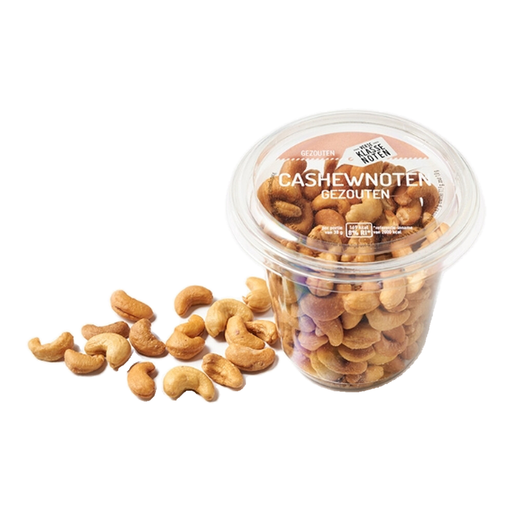 Image unavailable
This salted variant is suitable only if cashews and the listed ingredients meet the person’s dietary needs.
The product information lists 98% cashews, sunflower oil and 1% salt.
Contains cashews and is not suitable for anyone with a cashew allergy.
 Image unavailable
An option if you’re looking for roasted, unsalted cashews; check the packaging for the allergen information you need for your situation.
Pack size: 200 g.
Contains cashews and is not suitable for anyone with a cashew allergy.
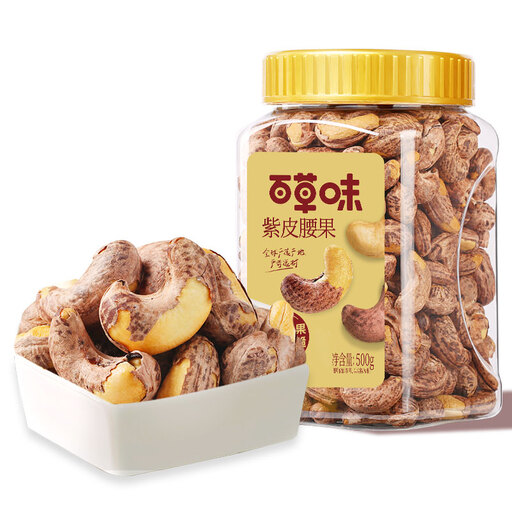 Image unavailable
The larger pack size may suit a shared snack supply; choose a size to suit how quickly it will be used and follow the storage advice on the packaging.
The product information lists cashew kernels and salt as ingredients.
Contains cashews and is not suitable for anyone with a cashew allergy.
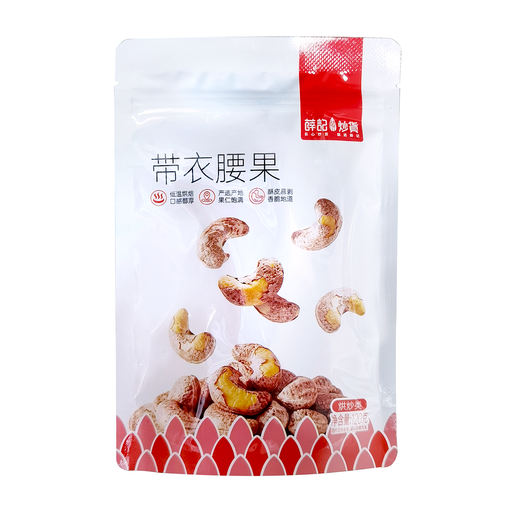 Image unavailable
This salted variant is suitable only if cashews and salt fit the person’s dietary needs.
The product information lists cashews and salt as ingredients.
Contains cashews and is not suitable for anyone with a cashew allergy.
No. Lactose intolerance affects the digestion of milk sugar; a milk allergy involves milk proteins. The Netherlands Nutrition Centre and the Dutch Food Allergy Foundation explain this distinction. If someone has a milk allergy, check the ingredients and allergen information, not just the ‘lactose-free’ claim.
Keep a snack for anyone who needs to eat gluten-free for medical reasons separate if it could come into contact with biscuit crumbs. The Dutch Coeliac Association explains how cross-contamination can occur; keep the product information with the snack too.
The warning indicates that the named allergen may be present unintentionally. Rules for substantiated allergen warnings have applied in the Netherlands since 1 January 2026. The Netherlands Food and Consumer Product Safety Authority gives examples such as ‘May contain X’ and ‘Not suitable for people with an X allergy’. Don’t ignore a relevant warning just because the allergen hasn’t been added as an ingredient.
You can’t determine that simply from the presence of a biscuit tin. The Netherlands Food and Consumer Product Safety Authority explains the obligations for businesses that supply food to consumers. If a staff restaurant or caterer provides the snacks, they must assess the relevant obligations; this does not establish a general legal requirement for every informal office snack supply.
Use the information on the packaging you actually have to decide whether the product is suitable, and ask the retailer for clarification if anything is unclear. Albert Heijn warns that ingredients and allergy information can change, so always check the exact variant.