
Vandaag of morgen in huis

Kwaliteit gegarandeerd

Welkomstaanbiedingen ontgrendelen: GRATIS bezorging | Tot 80% korting | Gratis 30 dagen JoyPlus-proefperiode
Download de app
A warning light on your dashboard? In the past, that meant an immediate, expensive trip to the garage. Today, a good OBD2 scan tool can tell you exactly what's wrong, allowing you to fix simple problems yourself. But the market is flooded with options, and making the wrong choice will cost you not only money but also a lot of frustration. As a Joybuy Product Recommendation Officer, I'll help you see through the marketing fluff and find a tool that truly works for your car and your needs.
Before you pull out your wallet, watch out for these common pitfalls:
To avoid these pitfalls, focus on a few essential features. These determine whether a car diagnostic tool is worth the money.
A diagnostic tool's software determines which cars and functions it supports. Car manufacturers constantly release new models and systems. Without updates, your tool will quickly become obsolete.
Not every user has the same needs. Determine beforehand what you want to do with the tool.
Always check the manufacturer's vehicle coverage list. Pay special attention to support for modern protocols, as this determines if the tool is future-proof.
Below is a selection of devices tailored to different user profiles.
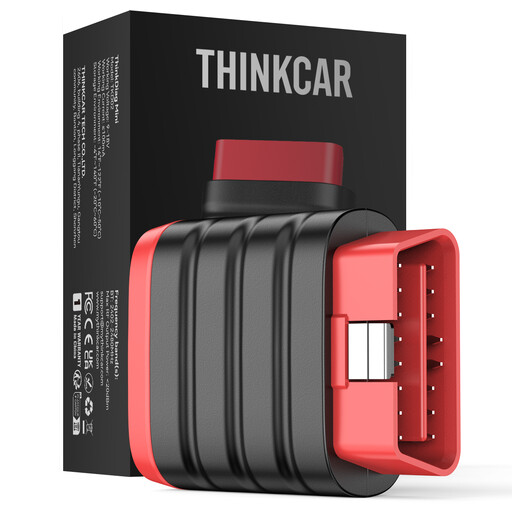
Why it fits this user: Perfect for those who want to quickly and easily find the cause of a warning light without spending a lot. This compact Bluetooth dongle works with your smartphone and is ideal for keeping in the glove box for emergencies.
This device offers lifetime free updates for all-system diagnostics. You pay once and don't have to worry about hidden subscription costs for core functions.
Benefit: Full system diagnostics (engine, transmission, ABS, airbags, etc.) via a user-friendly app. Feature: Works via Bluetooth with both iOS and Android.
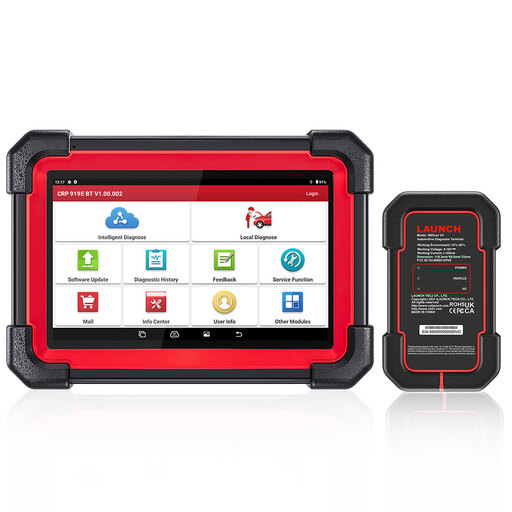
Why it fits this user: For the enthusiast who wants to go deeper than just reading fault codes. This device offers advanced functions normally found only in professional garages, such as testing components and coding modules.
With support for CAN FD and DoIP, this tool is prepared for the latest car models. You're investing in a device that won't be obsolete in a year and also works on modern cars from GM, BMW, and others.
Benefit: Supports bidirectional control (Active Test) and ECU coding. Features: Over 31 service functions and a wireless Bluetooth VCI for freedom of movement.
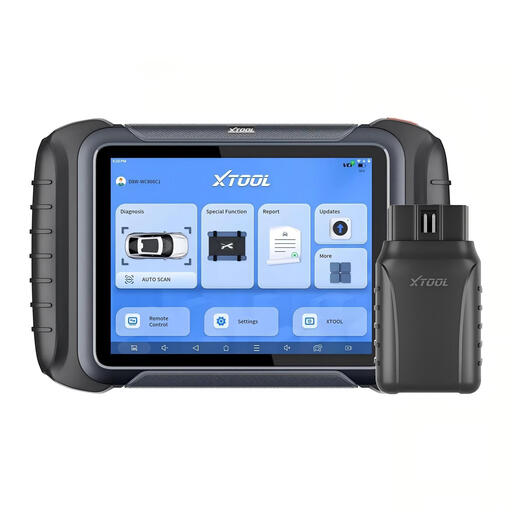
Why it fits this user: A robust and comprehensive solution for the professional mechanic. This tool combines a wide range of functions with a fast, intuitive interface to minimize diagnostic time in the workshop.
This device not only offers 3 years of free updates but also advanced features like topology mapping, which visualizes the car's communication structure. This eliminates guesswork and makes complex diagnostics more efficient.
Benefit: Intelligent topology map for a quick overview of all system statuses. Features: Supports ECU coding, PMI (module installation), CAN FD/DoIP, and FCA AutoAuth.
We have compiled a complete, up-to-date list of products that fully meet these strict selection criteria and current vehicle standards.
As a general rule, most petrol cars from the 2001 model year onwards and diesel cars from 2004 onwards in Europe are equipped with an OBD2 port. However, to be absolutely sure, it is always recommended to check the scanner manufacturer's compatibility list. For cars made after 2020, pay extra attention to support for protocols like CAN FD.
A bluetooth obd2 scanner (dongle) is compact and works via an app on your smartphone. It is usually suitable for reading fault codes and sometimes a few simple reset functions. A tablet scanner is an all-in-one device with its own screen and software. It typically offers much more functionality, such as a wide range of service resets, bidirectional control, and ECU coding.
With most reputable brands, this means that software updates for existing functions and vehicle coverage are free for the lifetime of the product model. This is a major advantage over models with a mandatory annual subscription. However, always read the terms and conditions: sometimes the 'lifetime' update applies to a specific set of features, and highly specialized new functions may require a separate purchase.
