
Vandaag of morgen in huis

Kwaliteit gegarandeerd

Welkomstaanbiedingen ontgrendelen: GRATIS bezorging | Tot 80% korting | Gratis 30 dagen JoyPlus-proefperiode
Download de app
An OBD2 scanner can do much more than simply read the engine warning light. With the right OBD2 diagnostic tool, you can view live data, clear fault codes, carry out servicing functions and sometimes control components directly. However, models vary considerably. A cheap car code reader won’t necessarily be suitable for a modern car, a garage or a specific reset function.
Some scanners only read the engine ECU. That may be enough to investigate a simple warning light, but it won’t help with faults in systems such as the transmission, ABS, SRS, air conditioning or body control modules.
So check whether the car scanner really supports full system diagnostics. Also look at which systems the manufacturer specifically lists. “All systems” is no guarantee that you can access every module in your car unless the vehicle is listed.
Functions such as DPF regeneration, EPB reset, ABS bleeding, battery registration and throttle body relearning depend on the make, model, year, engine and ECU version. A product may offer 20 or 30 service functions, but only a few may be available for your vehicle.
According to the product descriptions from the brands mentioned, the functions available vary by vehicle. So check compatibility before buying, especially if you need a particular function.
“Free updates” can be a major advantage, but check the terms. According to their product descriptions, some models offer free lifetime updates, while others specify a limited update period.
Certain FCA vehicles also require FCA AutoAuth. According to the product information, account registration and any associated fees are handled by the vehicle manufacturer or AutoAuth service, not the scanner. Also check whether your car needs CAN FD or DoIP.
For basic use, a scanner covering the engine, transmission, ABS and SRS may be enough. For a garage or a keen home mechanic, access to more modules is more practical. Look for support for:
A good car diagnostic tool should do more than clear codes. It should also show data that helps you identify the cause of a fault.
A bidirectional diagnostic tool can send commands to the ECU. For example, you can activate a cooling fan, fuel pump, injector, windscreen wiper, window or air conditioning clutch. These active tests can help you narrow down a faulty component or communication issue.
This doesn’t mean the tool can repair your car automatically. Only use active tests if you understand how the system works and follow the vehicle’s procedure.
For newer vehicles, CAN FD and sometimes DoIP are relevant protocols. A Bluetooth OBD2 scanner gives you more freedom to move around the garage, but it needs a reliable app and Bluetooth connection. You’ll often also need Wi-Fi for updates.
Also consider:
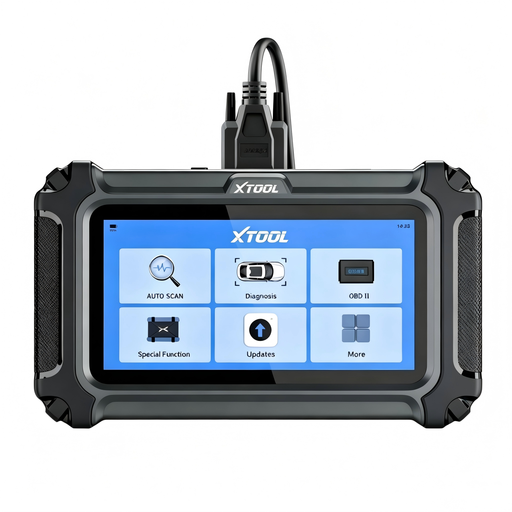
Why it suits this user: This model is designed for DIYers looking for a clear interface and practical functions for everyday maintenance.
The product description lists four main diagnostic systems, 16 reset functions, CAN FD and FCA AutoAuth. Check in advance which of these are available for your car.
View up to four live data graphs, identify your vehicle automatically and, according to the product description, get free lifetime updates.
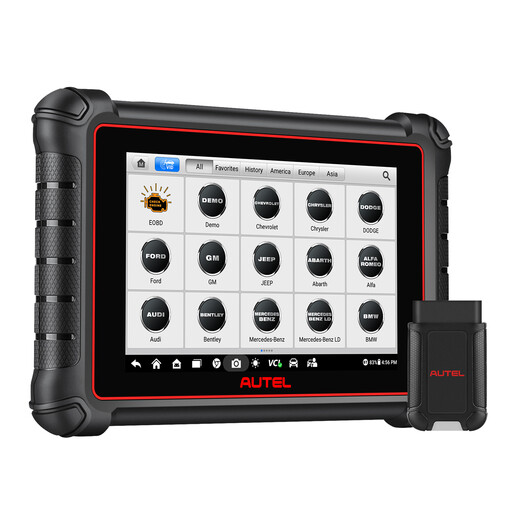
Why it suits this user: The tablet-sized design, full system diagnostics and extensive active tests make this a good fit for frequent use in a garage or workshop.
The product information lists support for CAN FD, DoIP and FCA AutoAuth. The offer specifies a limited update period, so check what updates will cost afterwards.
Wireless connectivity, ECU information, active tests and, according to the product description, more than 40 service functions.
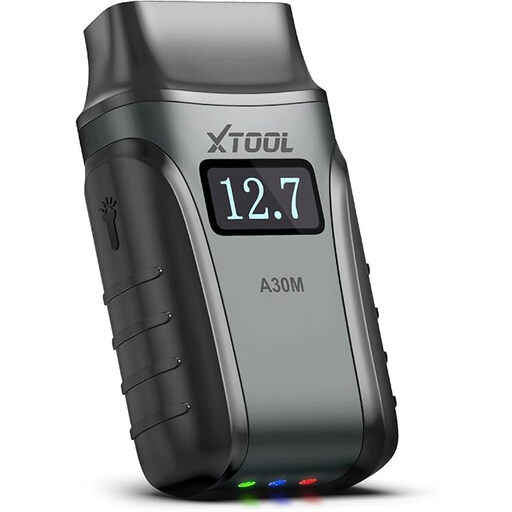
Why it suits this user: Mobile mechanics and experienced DIYers get wireless diagnostics on Android and iOS, with a range of service functions and active tests.
The product description clearly states that functions vary by vehicle. The scanner supports CAN FD and FCA AutoAuth, among other features, but an FCA account isn’t included.
Supports full system diagnostics, active tests and 26 service functions, plus free lifetime updates according to the product description.
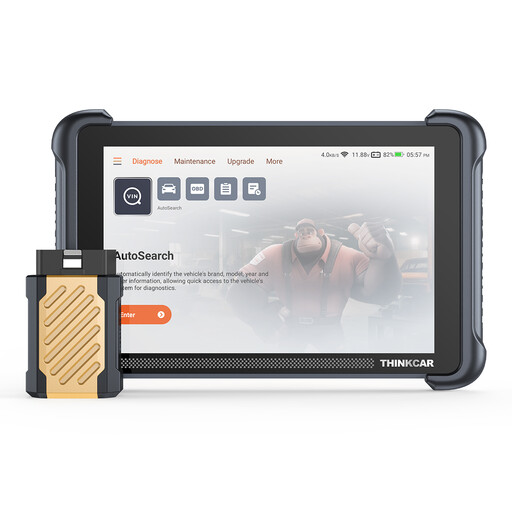
Why it suits this user: Its 8-inch screen, tablet design and ECU coding support make this model well suited to regular diagnostics and maintenance work.
The product description lists CAN FD, DoIP, full system diagnostics and bidirectional control. According to the information provided, complex coding may require an internet connection or dealer support.
34 reset functions, ECU coding, active tests, Bluetooth and free lifetime software updates according to the product description.
We’ve put together a complete, up-to-date list of products that meet these strict selection criteria and the applicable European safety regulations.
No. Basic OBD2 functions work with a wide range of vehicles, but full system diagnostics, ECU coding and service functions depend on the make, model, ECU and protocol. Check vehicle coverage before ordering.
Only if the scanner and vehicle support the function. Always follow the manufacturer’s instructions and make sure you have a suitable, safe working environment. A scanner can’t replace a repair if there’s an underlying fault.
According to the product descriptions, several models in this guide offer free lifetime updates. However, check whether this covers all vehicle software and functions. Some models have a limited update period. FCA AutoAuth may also require separate registration or payment.
