
Vandaag of morgen in huis

Kwaliteit gegarandeerd

Welkomstaanbiedingen ontgrendelen: GRATIS bezorging | Tot 80% korting | Gratis 30 dagen JoyPlus-proefperiode
Download de app
A warning light on your dashboard. It's a familiar scenario that often leads to an unexpectedly expensive trip to the mechanic. With a good OBD2 diagnostic tool, you can diagnose issues yourself, clear fault codes, and even perform basic maintenance. But the market is flooded with options, and the wrong choice will cost you not just money, but also time and frustration.
As a Joybuy Product Recommendation Officer, I see the challenges consumers face every day. Many devices promise the world but fall short in practice. Let's expose the three most common pitfalls so you can make an informed decision.
Pitfall 1: The subscription trap. A cheap car scanner seems like a smart deal, until you discover after a year that you have to pay extra for updates or even for basic functions. These hidden costs make a budget-friendly device very expensive in the long run.
Pitfall 2: The "universal" myth. Many manufacturers claim their universal diagnostic tool works on every car. In reality, support for specific European brands or newer models is often limited. You might be able to read the engine management system, but systems like ABS, airbags (SRS), or the transmission remain inaccessible.
Pitfall 3: Empty "Pro" features. Terms like bi-directional scanner or "active tests" sound impressive, but on cheaper models, these functions are often so limited that they are useless in practice. You end up paying for a professional feature you can't actually use.
To avoid these pitfalls, it's crucial to focus on what really matters. Check these three points before considering a purchase.
A standard fault code reader only focuses on the engine control module (ECM). This is enough to reset the check engine light, but modern cars have dozens of other electronic modules. If you want a complete picture of your car's health, you need a device that can scan all systems. This includes:
A device with full system coverage gives you much deeper insight and saves you from guesswork.
A good service reset tool can save you hundreds in garage fees. Think about which maintenance tasks you want to perform yourself. The most common and useful functions are:
Critically evaluate which functions a device offers and whether they are compatible with your car's make and model.
Car technology is evolving rapidly. A diagnostic tool without updates will be obsolete in a few years. Therefore, pay close attention to the update policy. Models with lifetime free updates are often a smarter investment than devices with an annual subscription structure.
Additionally, there's the choice between a wired scanner and an OBD2 Bluetooth scanner. A Bluetooth dongle that pairs with your smartphone (diagnose your car with your phone) is compact and convenient for quick diagnostics. A tablet scanner with its own screen often provides more stable operation and a clearer interface for more complex tasks.
Based on these criteria, we have selected a number of products that suit different user profiles.
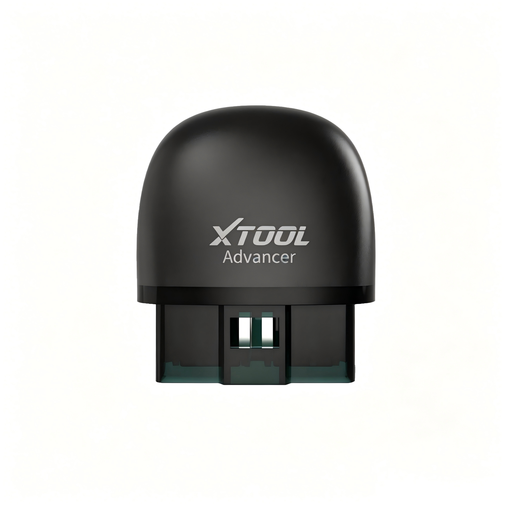
Why it's a match for beginners: Ideal for those who want to quickly and easily read and reset a fault code via their smartphone. Not a major investment, but it offers the ability to check all major systems and perform basic resets.
This device offers lifetime free updates for all functions, so you won't get stuck with an unexpected subscription. Moreover, it scans all systems, not just the engine, thus bypassing the "universal" myth.
Benefit: Compact, works wirelessly via Bluetooth 5.0 with your iOS or Android phone. Pros: Supports full system diagnostics and an oil reset function.
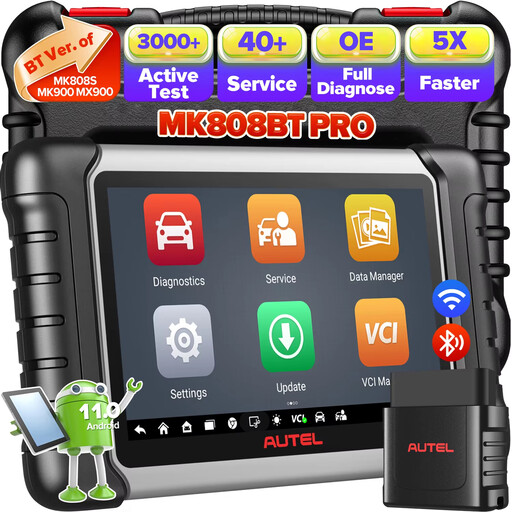
Why it's a match for hobbyists: For those who want to do more than just read codes. This tablet offers extensive service functions and the ability to control components, which is essential for serious maintenance and in-depth troubleshooting.
This device actually delivers usable "Pro" features. The bi-directional control is not an empty promise; it allows you to actuate components like wipers, valves, or headlights to quickly find faulty parts.
Benefit: Wireless diagnostics on a stable tablet. Pros: Over 38 service functions, OE-level diagnostics for all systems, and active test capabilities.
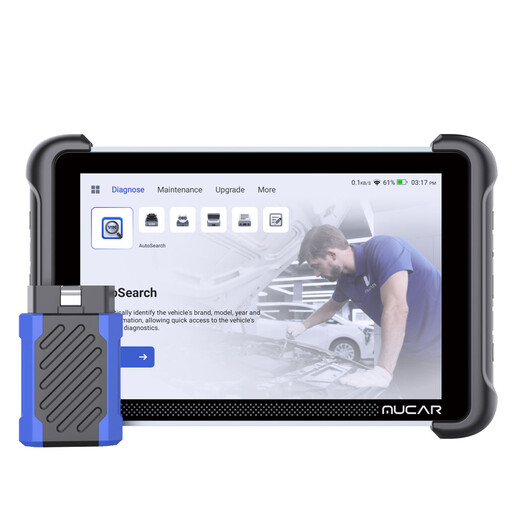
Why it's a match for professionals: This is a tool for those who accept no compromises. With advanced features like ECU coding and support for the latest protocols, this is a future-proof investment for a small workshop or demanding user.
This device combines lifetime free updates with professional functions that normally require an expensive subscription. Support for CAN-FD & DoIP ensures you can diagnose even the newest vehicles, shattering the "universal" myth.
Benefit: Lifetime free updates for professional functions. Pros: ECU coding, bi-directional control, support for CAN-FD & DoIP, and a large 8-inch touchscreen.
We have compiled a complete, up-to-date list of products that fully meet these strict selection criteria and current vehicle standards.
The OBD2 standard has been mandatory for petrol cars in the EU since 2001 and for diesel cars since 2004. In theory, any scanner should be able to read basic engine fault codes. However, in practice, car manufacturers often use proprietary protocols for other systems like ABS, airbags, or the transmission. For full functionality, it is crucial to choose a scanner that explicitly supports your make and model, especially for service functions and all-system scans.
The main difference lies in functionality and ease of use.
Legitimate OBD2 diagnostic tools are designed for diagnosis and maintenance, not for illegally rolling back odometers. While some advanced tools may have an odometer correction function, it is intended for repair purposes, such as after replacing an instrument cluster. Fraudulently altering the mileage is a criminal offense. Focus on tools that help you maintain your car honestly and properly.
