
Vandaag of morgen in huis

Kwaliteit gegarandeerd

Welkomstaanbiedingen ontgrendelen: GRATIS bezorging | Tot 80% korting | Gratis 30 dagen JoyPlus-proefperiode
Download de app
An illuminated check engine light is often the start of an expensive investigation. A trip to the garage for a simple diagnosis can quickly add up. Owning your own OBD2 scanner seems like the perfect solution: take control and save money. But the market is flooded with devices that promise more than they deliver. As a Joybuy Product Recommendation Officer, I see where consumers go wrong every day. Before you invest, it's crucial to know the pitfalls.
The biggest frustration doesn't come from a device that fails to work, but from unexpected limitations and hidden costs. These are the three most common traps:
To avoid a bad purchase, it's important to look beyond the marketing buzzwords. Focus on the specifications that truly matter. These are the three most important factors when choosing the right automotive diagnostic tool.
A simple fault code reader only reads generic engine fault codes. This is enough to know why the check engine light is on, but it tells you nothing about the rest of the car.
A device with full system diagnostics can communicate with all electronic control units (ECUs) in your car. This includes:
Choosing a scanner that can read all systems gives you a complete picture of your vehicle's health and is essential for serious diagnostics and maintenance.
Automotive technology is evolving at a rapid pace. A diagnostic tool is only valuable if its software stays up-to-date.
For those who want to do more than just read fault codes, there are two features that make all the difference:
Not everyone has the same needs. That's why we've curated a selection tailored to different user profiles, from the novice DIYer to the experienced technician.
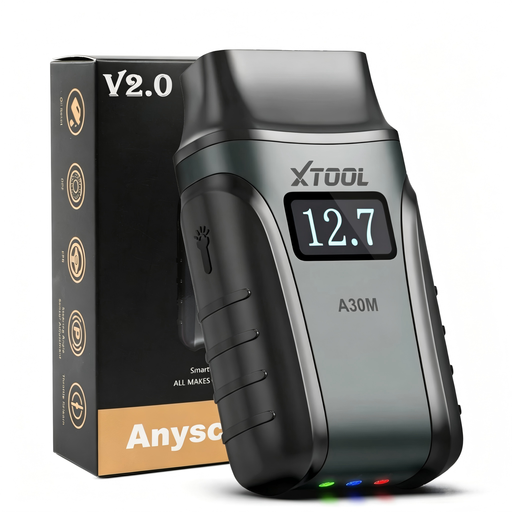
Why This Fits Their Persona: Perfect for the hobbyist looking to cut down on garage costs. This compact Bluetooth adapter connects to your smartphone and offers a surprising number of features for its price, including the ability to perform basic maintenance yourself.
This device tackles the two biggest traps: it offers lifetime free updates (no subscription fees) and scans all systems, not just the engine. Plus, it supports CAN FD for newer cars.
Offers over 26 reset functions and even bi-directional control, features you normally only find on more expensive models. Works wirelessly with both Android and iOS.
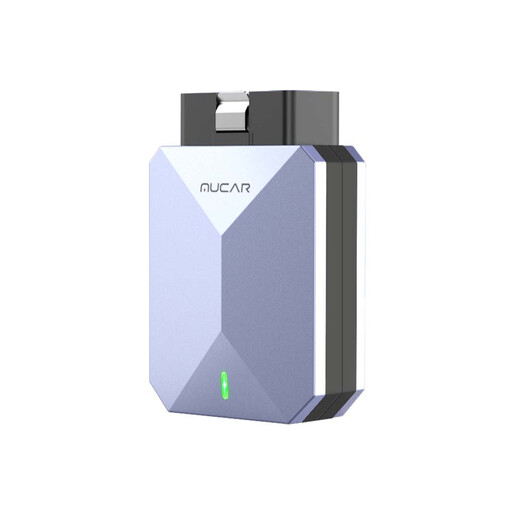
Why This Fits Their Persona: For those who want to dig deeper and tackle more complex problems. This tool offers an excellent balance between advanced features and ease of use, ideal for the ambitious enthusiast or a small, efficient workshop.
With lifetime free updates for all functions and support for CAN-FD and FCA AutoAuth (for newer Fiat/Chrysler models), this is a future-proof investment with no hidden costs.
The built-in AI assistant helps interpret fault codes and provides repair recommendations. Full bi-directional control and 15+ reset functions make this a powerful all-rounder.
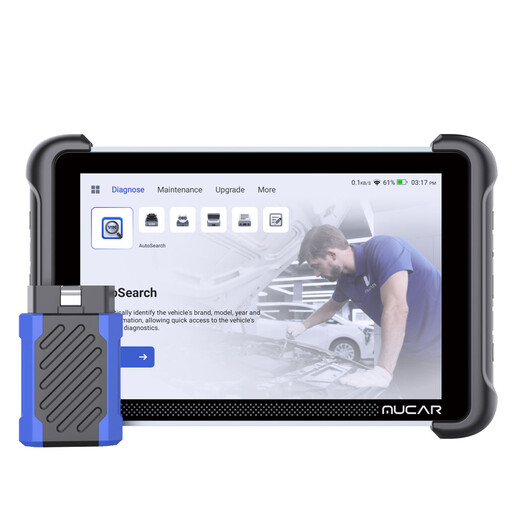
Why This Fits Their Persona: A workhorse for the professional workshop. This tablet scanner combines robust hardware with the most advanced diagnostic functions, including module programming, without the premium price tag.
Its key advantage is lifetime free updates, a rarity for professional tools. This eliminates the high annual subscription fees that competitors charge. Support for CAN-FD & DoIP guarantees compatibility with the very latest vehicles.
Offers advanced ECU coding, full bi-directional control, and more than 34 service functions. The 8-inch touchscreen and magnetic VCI dongle ensure smooth and stable operation in a busy workshop.
We have compiled a complete, up-to-date list of products that fully meet these strict selection criteria and local regulations.
Most cars with a petrol engine from 2001 onwards and diesel engines from 2004 onwards in the EU are OBD2 compliant. The OBD2 port is usually located under the dashboard on the driver's side. For advanced functions like resets or coding, it is always advisable to check compatibility with the seller using your car's make, model, year, and VIN. Also, look for CAN FD support if you have a very recent car.
A Bluetooth dongle is a small adapter that you plug into the OBD2 port and connect to an app on your smartphone. They are compact, affordable, and ideal for DIYers who want to read fault codes and perform simple resets. A tablet scanner is an all-in-one device with its own screen and software. These are more powerful, faster, and typically offer many more advanced features like bi-directional control and ECU coding, aimed at the professional user.
"Lifetime free updates" means you will receive software updates for new car models, bug fixes, and new features without having to pay an annual subscription fee. This is crucial because car manufacturers are constantly introducing new technology and systems. Without updates, your diagnostic tool will quickly become outdated and unable to communicate with newer cars, forcing you to pay extra or buy a new device. It is a one-time investment that saves a lot of money in the long run.
