
Vandaag of morgen in huis

Kwaliteit gegarandeerd

Welkomstaanbiedingen ontgrendelen: GRATIS bezorging | Tot 80% korting | Gratis 30 dagen JoyPlus-proefperiode
Download de app
A warning light on your dashboard is often the start of an uncertain and potentially expensive journey. Is it a minor issue or a serious fault? An OBD2 scanner gives you immediate insight and puts you back in control. But the market is flooded with options, from simple Bluetooth dongles to professional tablets. Many of them lead to frustration and wasted money.
As a Joybuy Product Recommendation Officer, I'll help you see through the marketing hype. Let's expose the most common pitfalls so you can make an informed decision that fits your car and your needs.
Before we look at features, it's crucial to know where things often go wrong. Many buyers fall into the same traps.
service reset tool that costs extra wasn't the deal you were hoping for.fault code reader can only access the engine control unit. This is useful for emission-related problems, but it tells you nothing about the status of your ABS, airbags (SRS), transmission, air conditioning, or other critical systems. You end up buying a car diagnostic tool that only tells a small part of the story.To avoid a bad purchase, focus on the specifications that truly matter. These are the three most important factors that determine the usability and value of an OBD2 scanner.
This is the biggest differentiator. A basic OBD2 scanner meets the legal standard and can only read the engine management system (ECU). This is fine for seeing why your check engine light is on.
A more advanced device can perform a full-system diagnosis. This means it communicates with the modules for:
If you want a complete picture of your car's health, a scanner that supports all systems is a must.
A good scanner not only saves you diagnostic costs but also trips to the garage for routine maintenance. Functions to look for include:
With the right tool, you can clear fault codes and reset service intervals yourself.
For the serious DIYer or professional, there are two more levels:
We've made a selection tailored to different needs, from a quick check to a full workshop diagnosis.
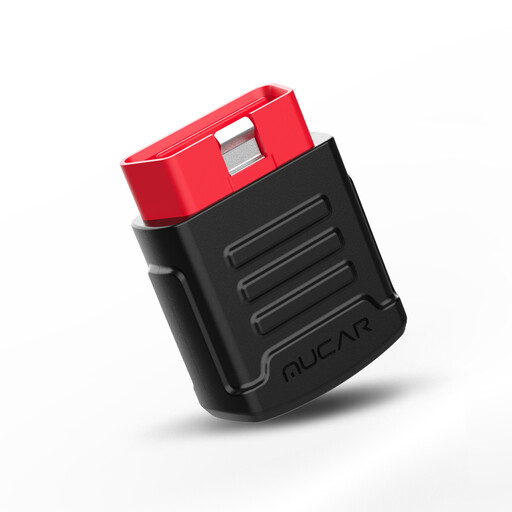
Why it's a match: Perfect for those who want to quickly and easily find out why their check engine light is on. Plug in the obd2 bluetooth dongle, connect to the car diagnostic app on your phone (iOS or Android), and read the engine fault codes instantly.
This tool is honest about its limitations. It doesn't promise the world but does one thing well: reading and clearing basic engine codes. No hidden subscription fees for the core function.
Extremely compact and affordable. An ideal solution to keep in the glove box for emergencies.
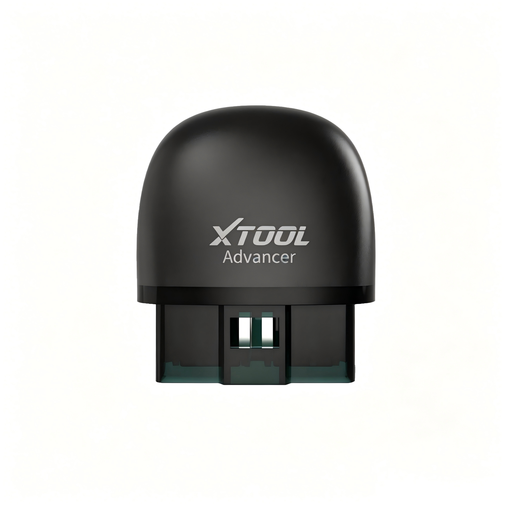
Why it's a match: For the enthusiast who wants more than just engine codes. This scanner offers the ability to perform a full-system diagnosis and reset the oil service light, right from your smartphone. Ideal for performing basic maintenance.
The AD20Pro V2.0 tackles the subscription trap with lifetime free updates for all functions, including the system-wide scan and the oil reset. You know exactly what you're getting without hidden costs.
Offers an excellent balance between price and functionality. The ability to scan all systems at this price point is a major plus.
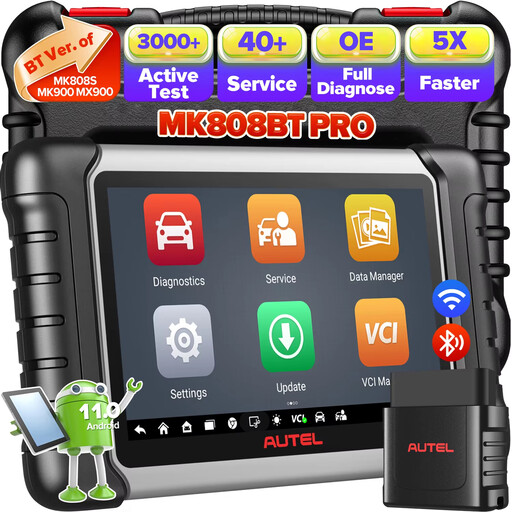
Why it's a match: This isn't a dongle, but a fully-fledged car diagnostic tool on a tablet. With features like a bidirectional scanner (active tests) and over 38 service functions, this is a powerful piece of equipment for those performing in-depth diagnostics and repairs.
The value lies in the comprehensive, professional software and hardware. It's an investment that pays for itself by preventing expensive garage bills for complex diagnostics and resets.
The ability to perform active tests. This allows you to directly command components to find the cause of a problem quickly and accurately, without replacing parts unnecessarily.
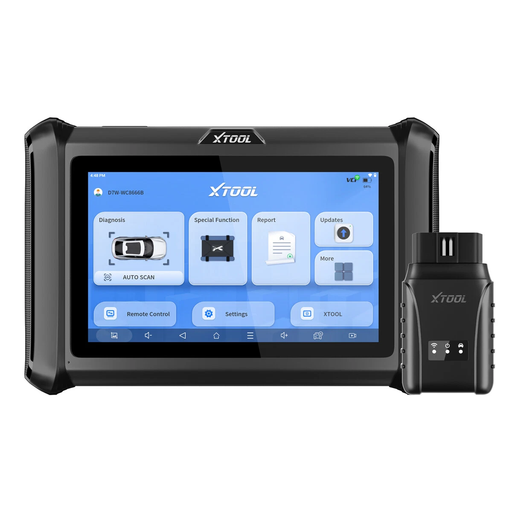
Why it's a match: For the professional or the demanding enthusiast working with the latest vehicles. This wireless scanner supports modern protocols like CAN FD and DoIP, and offers advanced features such as ECU coding and PMI (Programmable Module Installation).
This is an investment in compatibility. Where cheaper tools fail on modern cars, support for CAN FD/DoIP ensures you won't be caught off guard. The 3 years of free updates provide peace of mind.
Ready for the future. Support for the latest communication protocols and advanced coding functions make this a durable choice for any serious workshop.
We've curated a complete, up-to-date list of products that fully meet these strict selection criteria.
Most petrol cars built after 2001 and diesel cars after 2004 in the EU have an OBD2 port. However, this only guarantees compatibility for basic engine diagnostics. For advanced features like full-system scans, service resets, or bidirectional control, compatibility depends on your car's make, model, and year. Always check this with the seller before purchasing.
No. Rolling back or adjusting the odometer reading is illegal and not supported by legitimate diagnostic tools. OBD2 scanners are designed for diagnosis, repair, and maintenance, not for fraudulent practices.
The price of a scanner reflects its depth of functionality.
obd2 bluetooth dongle reads and clears engine fault codes.scan all systems and perform several service reset functions.bidirectional scanner for active tests, a wide range of resets, and sometimes even ECU coding. These tools are faster, more stable, and have much broader vehicle coverage.