
Vandaag of morgen in huis

Kwaliteit gegarandeerd

Welkomstaanbiedingen ontgrendelen: GRATIS bezorging | Tot 80% korting | Gratis 30 dagen JoyPlus-proefperiode
Download de app
An illuminated check engine light is often the start of uncertainty and potentially high garage bills. Owning your own OBD2 scanner puts you back in control. It allows you to read and clear fault codes yourself, perform maintenance tasks, and get a clearer picture of your car's health. But the market is flooded with models that promise the world. Many buyers fall into traps that make their new tool unusable or unnecessarily expensive.
Before you invest, it's crucial to recognise the most common marketing pitfalls:
To avoid a bad purchase, focus on the specifications that truly matter. Don't be distracted by marketing jargon; instead, verify these three points.
A standard car diagnostic tool only focuses on the engine and emissions system (the basic OBD2/EOBD standard). This is enough to reset a check engine light, but most modern cars have dozens of other electronic systems, such as:
A device with "full system diagnostics" can communicate with all these modules. Additionally, check which service reset functions are included. Popular functions include resetting the oil service, the electronic parking brake (EPB), calibrating the steering angle sensor (SAS), and regenerating the diesel particulate filter (DPF). Verify whether these functions are free for life or require a subscription.
The choice between a wireless and a wired scanner depends on your preference:
There is a significant difference in what scanners can do:
We have made a selection tailored to different user profiles, focusing on functionality and value, and avoiding the pitfalls mentioned earlier.
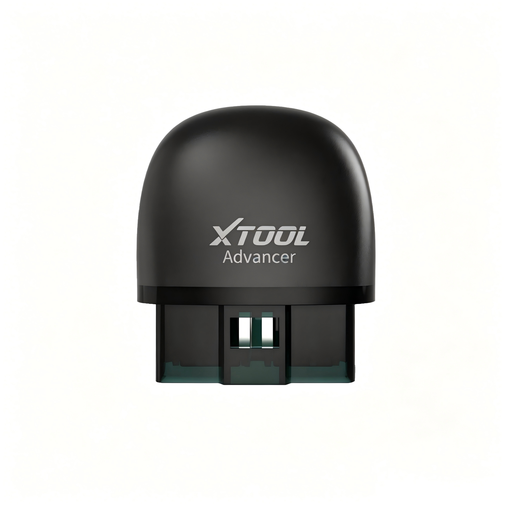
Why This Fits Their Persona: Ideal for those wanting to start with car diagnostics without a large investment. This compact OBD2 bluetooth adapter turns your smartphone into a powerful tool. Perfect for reading the engine, but also other systems like ABS and airbags.
This model offers lifetime free updates for all system diagnostics and the most important reset functions. You pay once and won't face unexpected subscription fees for core functionality.
Full system scan (not just engine) and oil reset included. Very compact and works easily with a clear app on your phone.
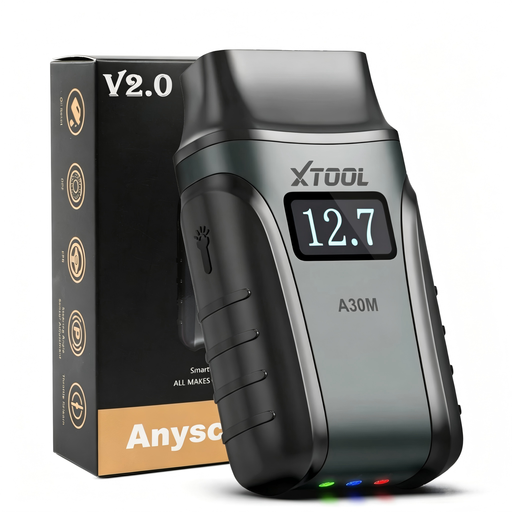
Why This Fits Their Persona: For the do-it-yourselfer who performs their own maintenance and repairs. This scanner not only offers diagnostics but also the ability to actively test components (bidirectional control), which drastically reduces the time spent searching for a fault.
The A30M has built-in CAN FD support, making it future-proof for newer cars. All 26+ service functions and the bidirectional tests are free for life, completely bypassing the pitfall of hidden subscription costs.
Full bidirectional control (active tests) and a very comprehensive package of free service functions. Works wirelessly with both Android and iOS.
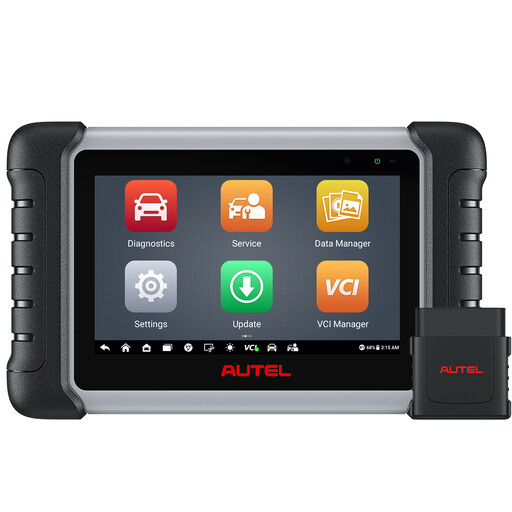
Why This Fits Their Persona: A robust tablet scanner for the small workshop or the highly demanding user who works with many different brands. Offers OE-level diagnostics, a wide range of service functions, and stable, wireless operation for maximum freedom of movement.
This is a professional package. While there may be update costs after the first year, it offers extremely broad and deep functionality that eliminates the need for multiple separate tools and software subscriptions, saving costs in the long run.
Powerful bidirectional control, more than 38 service functions, and very broad vehicle coverage. The wireless VCI module gives you the freedom to work around the car.
We have compiled a complete, up-to-date list of products that fully meet these strict selection criteria and current regulations.
The OBD2 standard is mandatory for all petrol cars sold in the EU from 2001 and for diesel cars from 2004. For basic engine diagnostics, almost any OBD2 device will work. However, for advanced features like full system diagnostics, service resets, or bidirectional control, it is essential to check the manufacturer's compatibility list for your specific make, model, and year.
A simple code reader is a one-way street: it only reads information that the car broadcasts, such as fault codes. A bidirectional scanner can also send commands back to the car. This allows you to activate components (like a fuel pump or wipers) to see if they are working. This is crucial for quickly finding the cause of a problem and saves a lot of guesswork.
Be skeptical about this. "Lifetime free" can mean different things. Sometimes it only applies to the basic OBD2 software, but not to updates for specific car brands or new service functions. Always read the product description carefully to see what is exactly covered by the free updates. The models we recommend here have been selected for their transparent update policies on key features.
