
Working from home with a short lunch break
Want to make hot oats without measuring them? Consider a sachet or cup, and check in advance how much liquid you need and whether you can use a microwave, a pan or just hot water.


A single-portion sachet is a good fit for a short lunch break if you don’t want to measure oats and can follow the stated preparation instructions at home. Choose a cup if you mainly want to use hot water. Plain oats from a large pack give you more control over the quantity, but you’ll need to measure them yourself. For lunch, compare the nutritional information for the full portion, the ingredients and allergens, and what you need to add during preparation.
Want to make hot oats without measuring them? Consider a sachet or cup, and check in advance how much liquid you need and whether you can use a microwave, a pan or just hot water.
Sachets and cups can vary considerably in weight. Compare the energy, protein and fibre per pack, and factor in anything you add yourself.
With plain oats from a large pack, you decide how much to use and which ingredients to add. The trade-off is that you’ll need to measure and prepare your portion yourself.
First, decide which preparation method suits your break. Then compare the full portion and the label: a single-serve pack alone tells you little about the quantity or make-up of your lunch.
| What to consider | What to check when buying | Who it matters to |
|---|---|---|
| Preparation time and washing up | Check how much liquid you need, which heat source to use and whether the oats need to stand. | On a short break, I don’t want to measure ingredients or do lots of washing up. Around 31% of consumers put minimal preparation first. |
| Nutritional information per portion | Compare the weight and the energy, protein and fibre per whole sachet or cup, not just per 100 g. | If one pack is going to be the basis of my lunch, I want to know what the full portion contains. This is the main consideration for around 25% of consumers. |
| Ingredients and allergens | Read the ingredients list, sugars per portion and allergen information on the specific pack. | I want to be able to assess the ingredients and allergens in my lunch for myself. This matters most to around 19% of consumers. |
| Choosing your own quantity | Consider whether you want to measure out loose oats and add your own milk, yoghurt or other ingredients. | My lunch varies from day to day, so I want to choose the quantity and extras myself. For around 25% of consumers, that flexibility is the top priority. |
The Jumbo sachet reviewed contains 27 g, while the Upfront cup reviewed contains 75 g. So ‘one portion’ doesn’t mean the same quantity for both products.
Compare the weight and nutritional information for the full pack. Also think about which ingredients you’ll add during preparation.
According to Jumbo, Havermout Porties Original contains 90% wholegrain oat flakes as well as sugar. So the wholegrain label doesn’t tell you what other ingredients are in the sachet.
Read the ingredients list and compare the nutritional information per portion if you want to choose the flavour and ingredients yourself.
Oat products may also contain other cereals containing gluten, or come into contact with them. The product name alone isn’t enough to determine whether a product is suitable for someone with coeliac disease.
For oat products and coeliac disease, the Voedingscentrum recommends looking for the official Crossed Grain symbol. Also check the current label for allergens and warnings about possible cross-contamination.
Quaker’s range includes Oats Express Naturel in a 324 g pack containing 12 single-serve sachets, as well as plain oats in a 600 g pack.
Jumbo Havermout Porties Original contains five 27 g sachets; the supermarket’s own brand also sells plain oats.
The Oats Cup reviewed is a single-serve cup; the chocolate variety contains 75 g of product.
ALDI lists fine and coarse wholegrain oats from Golden Bridge in 500 g packs.
This selection includes oats to prepare as needed and mixed oat products, including a ready-to-eat porridge. Check each product’s packaging, preparation instructions and ingredients to see whether it suits your working-from-home lunch; they aren’t all plain oats or the same kind of portion.
 No image available
An option if you want to prepare oats as needed without measuring them yourself. Check the pack for the amount of liquid and the heat source required, and read the current label if you have allergies.
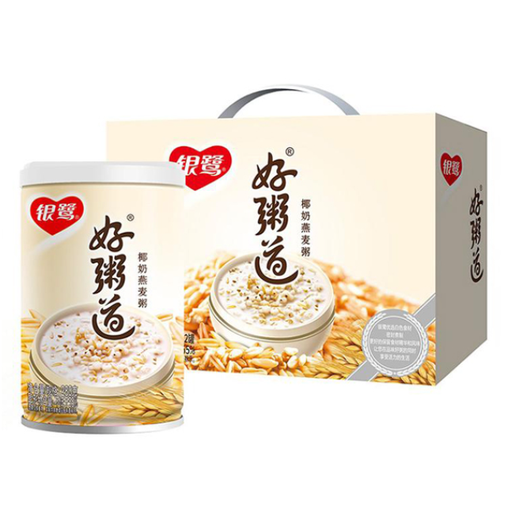 No image available
For anyone considering a ready-to-eat mixed porridge instead of plain oats. The pack contains 12 cans of 280 g; check the label to see whether the quantity and ingredients in one can suit your lunch.
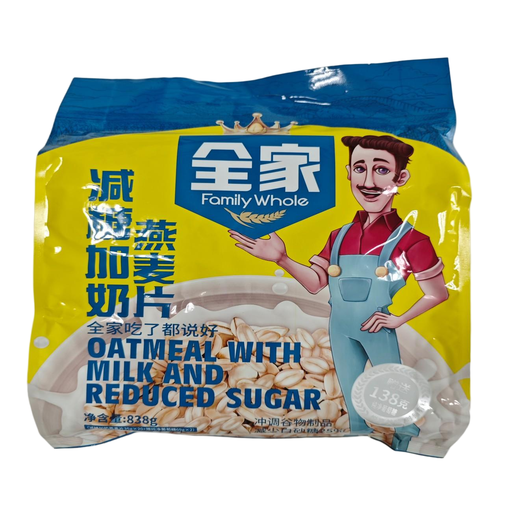 No image available
A measured oat mix for anyone who wants to prepare a portion with hot water. Check the nutritional information per sachet and follow the pack instructions for using the individual glucose sachets.
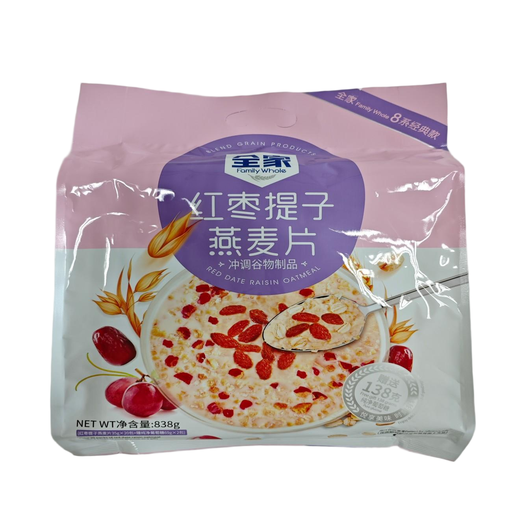 No image available
For anyone looking for a measured oat mix with dates and raisins that can be prepared with hot water. Check the label for sugars per portion and the individual glucose sachets before deciding whether the whole pack is right for lunch.
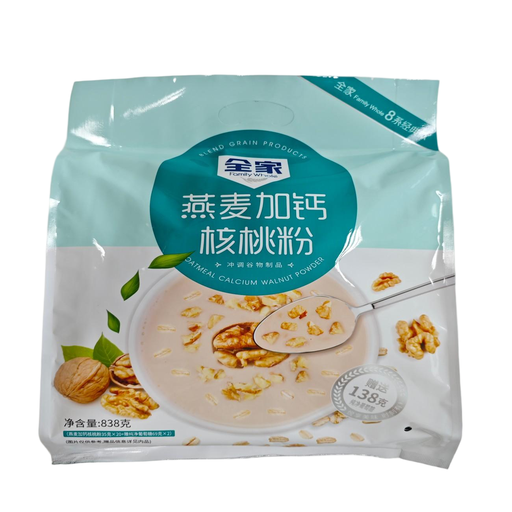 No image available
A mixed oat powder for anyone who wants to prepare a portion with hot water as needed. Check the pack for the ingredients, sugars per portion and information about the individual glucose sachets.
No. Weight and ingredients vary between products, so the packaging alone doesn’t tell you whether it’s right for your lunch. Compare the nutritional information for the full cup or sachet, and factor in anything you add yourself.
It depends on the variety you choose: some single-serve sachets require a bowl and a microwave or pan, while the Upfront cup reviewed is prepared with hot water. Follow the instructions on the specific pack for the amount of liquid and any standing time.
Yes, if you want to choose your own quantity and can prepare them yourself. Quaker gives 40 g as the average portion for its large pack, but you decide how much to have for lunch and what to add.
Check the allergen information on the specific pack; according to the Netherlands Food and Consumer Product Safety Authority, this information must be provided on pre-packed products. For oat products and coeliac disease, the Voedingscentrum recommends looking for the official Crossed Grain symbol. Also read any warnings about possible cross-contamination.