What should you look for in oats for lunch?
First decide whether you want to portion the oats yourself or prepare them quickly. Then compare the ingredients of the options that suit you. Oats alone don’t determine what the whole lunch will be like.
| What to consider | What to check | Who is it important for? |
|---|
| Portioning your own oats |
Compare the pack size and ingredients; check whether you can measure out the oats yourself for several lunches. |
If you prepare lunches in advance, you may not want to use an individually portioned pack for every meal. Around 50% of consumers prioritise being able to portion the oats themselves. |
| Ease of preparation |
Read the preparation instructions for fine oats or pre-portioned packs, and consider what facilities you have at lunchtime. |
If you have little time during your lunch break, you’ll want something you can eat without much preparation; around 30% of consumers prioritise this convenience. |
| Ingredients and allergens |
Compare the ingredients and nutrition information per 100 g, and read the allergen information for the specific product. |
If protein or an allergen is a deciding factor, you’ll want to know what else is in the product besides oats. This is the main priority for around 20% of consumers. |
Oat products at Joybuy
These products offer different pack sizes, portion formats and a protein mix for anyone putting together their own oat-based lunch. For each product, check the ingredients, preparation instructions and allergen information on the current packaging.
 Image unavailable
Quaker Express porridge oats – 324 g
An option if you want to take pre-measured portions with you for lunch. Check the preparation instructions and allergen information, especially if the lunch is for someone with coeliac disease.
View at Joybuy
 Image unavailable
Quaker porridge oats – 600 g
A pack you can portion yourself for a lunch you’ve put together. Check the packaging for preparation instructions and allergen information.
View at Joybuy
 Image unavailable
Quaker porridge oats – 375 g
A smaller pack for anyone who wants to decide how much oats to have for lunch. Check the preparation instructions and allergen information for this version too.
View at Joybuy
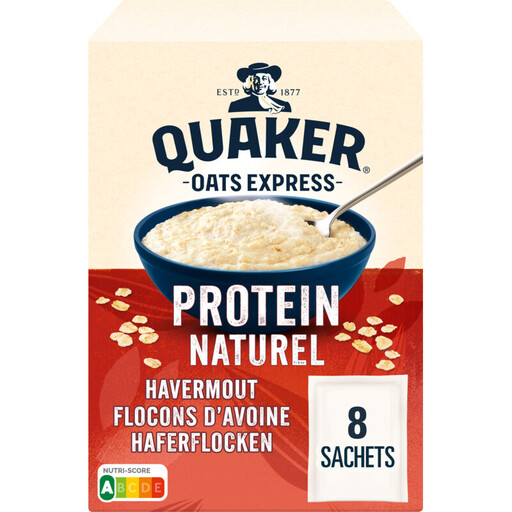 Image unavailable
Quaker Oats Express Protein – 302 g
An oat mix to consider if protein content matters when choosing your lunch. Compare the nutrition information per 100 g with plain oats and check the allergen information, including for soya.
View at Joybuy
 Image unavailable
Zonnatura organic wholegrain porridge oats – 500 g
An option if you’re looking for organic wholegrain oats with fine flakes for lunch. Follow the preparation instructions on the pack and check the current allergen information.
View at Joybuy
Frequently asked questions
Can oats be part of lunch?
Yes, oats can be part of a lunch. The Dutch Nutrition Centre includes oats in its Wheel of Five; what you add also affects the overall meal. When choosing toppings, think about your diet as a whole.
How much oats should I measure out as a starting point?
A 40 g portion is a practical starting point based on the preparation instructions for the products we looked at. The Dutch Nutrition Centre also provides nutritional values for 40 g of oats. Adjust the amount and toppings to suit the lunch you want to put together, rather than treating this portion as a fixed rule.
Can oats completely replace bread?
Don’t assume that oats are a complete replacement for bread. The Dutch Nutrition Centre points out that iodine is added to bread, but not to oats, so consider your diet as a whole.
Are plain oats suitable for coeliac disease?
Don’t assume they are. If you’re buying for someone with coeliac disease, check for the Crossed Grain mark and read the current allergen information for the specific product. Oats may come into contact with gluten-containing cereals during processing.
What should I compare in a high-protein oat mix?
Compare the protein content per 100 g, ingredients and allergen information with those of plain oats. For example, the AH Protein variant we looked at listed 20 g of protein per 100 g and contained soya protein isolate and seeds. A higher protein figure on its own doesn’t tell you which lunch option is right for you.


